
Indonesian Rupiah: Off-Cycle BI Rate Hike Aimed at Stabilizing Currency, Says BBH

0
0
BitcoinWorld
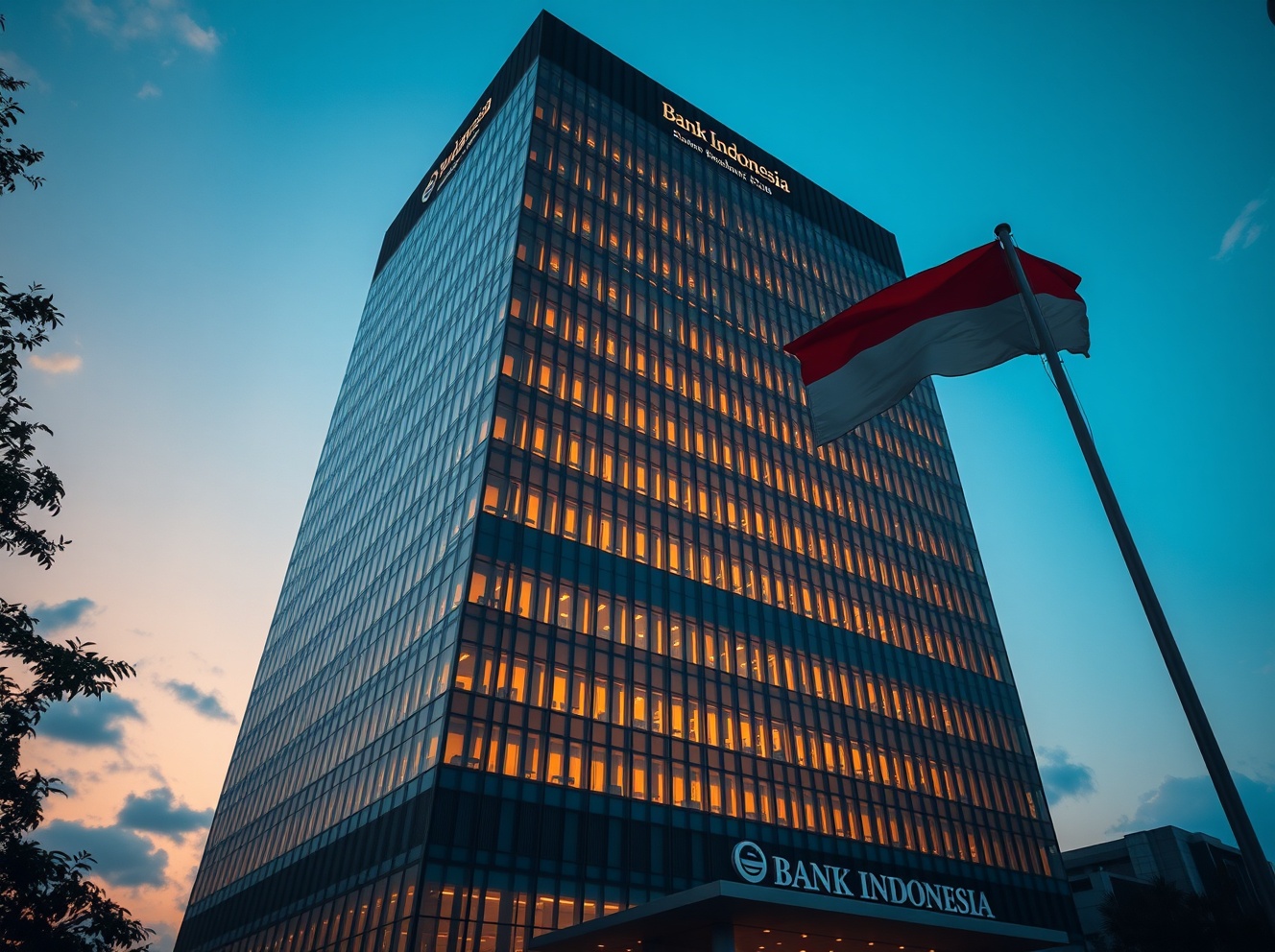
Indonesian Rupiah: Off-Cycle BI Rate Hike Aimed at Stabilizing Currency, Says BBH
Bank Indonesia (BI) delivered an off-cycle interest rate hike on Wednesday, a decisive move aimed at stemming the persistent depreciation of the Indonesian rupiah. Analysts at Brown Brothers Harriman (BBH) characterized the action as a targeted intervention to restore market confidence in the currency, which has faced mounting pressure from a strengthening US dollar and shifting global capital flows.
BI’s Surprise Move and Market Context
The central bank raised its benchmark seven-day reverse repo rate by 25 basis points to 6.25%, a decision that took many market participants by surprise given it came outside the scheduled policy meeting calendar. The move signals BI’s heightened concern over the rupiah’s trajectory, which has tested critical psychological levels against the greenback in recent weeks.
BBH analysts noted that the off-cycle adjustment underscores the urgency felt by policymakers. The rupiah has been under sustained pressure due to a combination of factors: a resilient US economy delaying Federal Reserve rate cuts, rising geopolitical tensions, and a general risk-off sentiment that has driven capital outflows from emerging markets. Indonesia’s reliance on imported goods and its external debt profile make the currency’s stability a key priority for the central bank.
BBH Analysis: A Preemptive Stabilization Effort
According to BBH, the rate hike is not merely a reaction to current weakness but a preemptive measure to anchor expectations. By acting decisively, BI aims to narrow the interest rate differential with the US, making rupiah-denominated assets more attractive to foreign investors. The firm highlighted that the move could help curb speculative pressure and reduce the risk of a disorderly depreciation.
However, BBH also cautioned that the effectiveness of the rate hike depends on broader global conditions. If the Federal Reserve maintains its hawkish stance, further pressure on the rupiah may persist, potentially requiring additional policy adjustments from BI. The analysts emphasized that the central bank’s credibility and commitment to price stability will be critical in maintaining investor trust.
Implications for Indonesian Economy and Investors
For Indonesian businesses and consumers, the rate hike translates into higher borrowing costs. This could slow domestic demand, particularly in interest-sensitive sectors like housing and consumer durables. On the positive side, a more stable rupiah helps contain imported inflation, which had been adding to cost pressures for firms reliant on foreign inputs.
For international investors, the decision creates a more favorable carry trade environment, at least in the short term. The higher yield on Indonesian bonds may attract capital inflows, supporting the currency. However, the sustainability of these flows remains tied to the global rate outlook and Indonesia’s own economic fundamentals, including its current account deficit and fiscal discipline.
Conclusion
Bank Indonesia’s off-cycle rate hike is a clear signal of its commitment to rupiah stability in a challenging global environment. While the move provides near-term support, analysts at BBH and elsewhere agree that the currency’s trajectory will ultimately depend on external factors, particularly US monetary policy. For now, the central bank has bought time, but markets will be watching closely for signs that further action may be needed.
FAQs
Q1: Why did Bank Indonesia raise rates outside its regular meeting?
The off-cycle hike was a response to acute pressure on the rupiah, which had been depreciating rapidly. By acting immediately, BI aimed to signal its determination to defend the currency and prevent speculative attacks.
Q2: How does a rate hike help stabilize the rupiah?
Raising interest rates makes Indonesian assets more attractive to foreign investors, increasing demand for the rupiah. It also helps curb inflation, which can further support the currency’s value.
Q3: What are the risks of this policy move?
Higher rates can slow economic growth by increasing borrowing costs for businesses and consumers. If global conditions remain unfavorable, BI may need to raise rates further, potentially dampening domestic activity.
This post Indonesian Rupiah: Off-Cycle BI Rate Hike Aimed at Stabilizing Currency, Says BBH first appeared on BitcoinWorld.
0
0

 Manage all your crypto, NFT and DeFi from one place
Securely connect the portfolio you’re using to start.

0
0

0
0

0
0

0
0