
US Dollar Index Declines as Iran and Israel Reportedly Halt Military Strikes

0
0
BitcoinWorld
US Dollar Index Declines as Iran and Israel Reportedly Halt Military Strikes
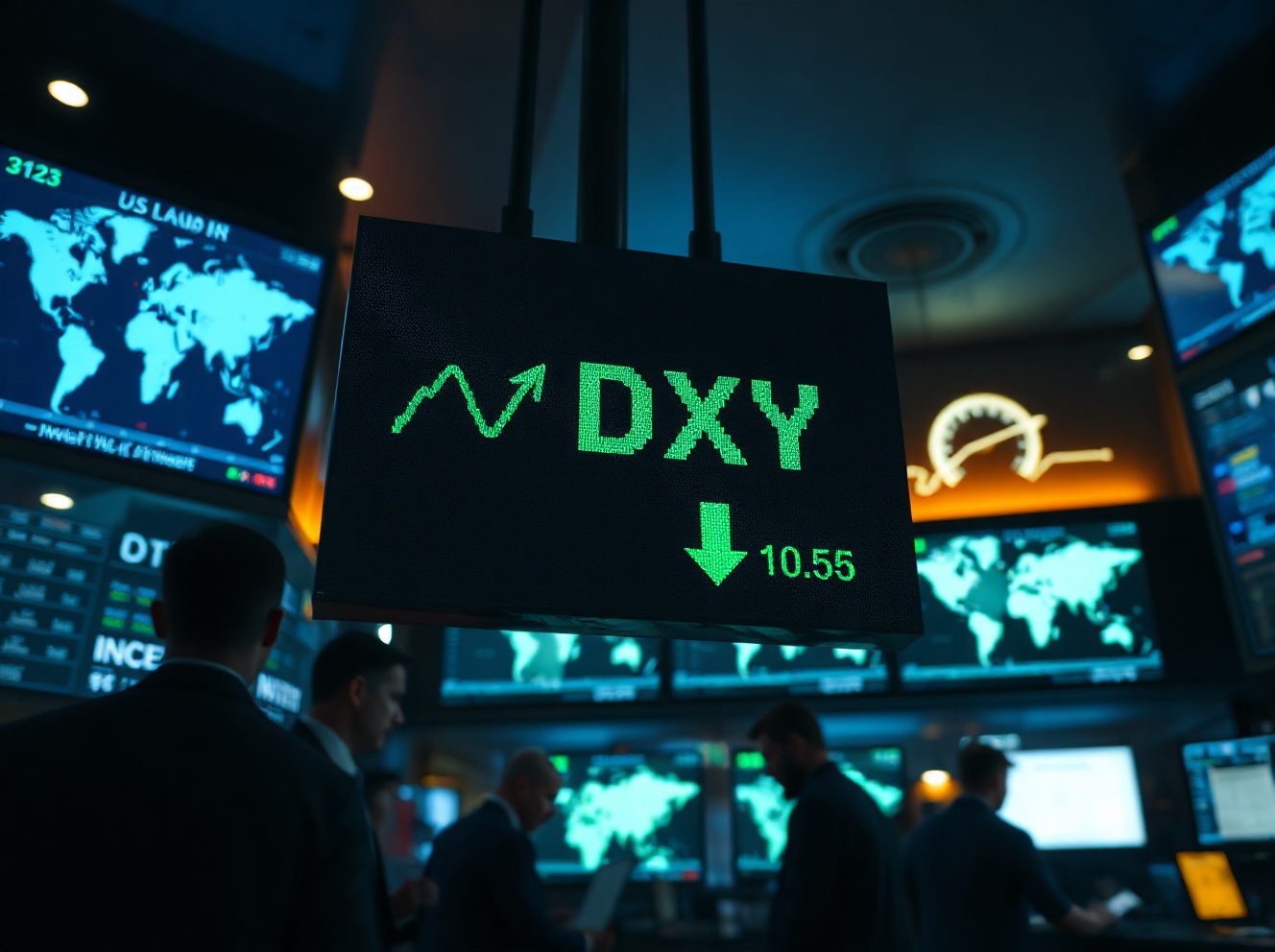
The United States Dollar Index (DXY) experienced a notable decline during Tuesday’s trading session following reports that Iran and Israel have agreed to halt ongoing military strikes. The development, which signals a potential de-escalation of tensions in the Middle East, prompted a shift in investor sentiment away from safe-haven assets, including the US dollar.
Market Reaction to Geopolitical Shift
The DXY, which measures the greenback against a basket of six major currencies, slipped as traders reduced their holdings of the dollar. Earlier in the week, the index had risen amid heightened geopolitical uncertainty, as investors typically flock to the dollar during periods of conflict. The reversal reflects a recalibration of risk appetite following the reported agreement.
Analysts noted that the move was broad-based, with the dollar weakening against the euro, British pound, and Japanese yen. The decline was also supported by a modest uptick in global equity markets, as the prospect of reduced hostilities encouraged investors to move capital into higher-yielding assets.
Context and Implications for Currency Markets
The reported halt in strikes between Iran and Israel marks a significant turn in a period of elevated regional tension that had kept markets on edge. While official confirmations remain limited, the news has been sufficient to alter short-term market dynamics. Currency strategists are now watching for further diplomatic signals that could solidify the trend.
For the US dollar, the immediate impact is a reduction in its safe-haven premium. However, the broader outlook for the DXY remains tied to US interest rate expectations and economic data. The Federal Reserve’s monetary policy trajectory continues to be a primary driver, and any sustained move lower in the dollar would depend on a combination of easing geopolitical risks and shifting rate differentials.
What This Means for Traders and Investors
For forex traders, the development introduces a new variable in an already complex environment. The dollar’s decline may present opportunities in currency pairs such as EUR/USD and GBP/USD, which have strengthened on the back of the news. However, caution is warranted, as the situation remains fluid and any reversal in the diplomatic stance could quickly reignite demand for the dollar.
Investors with exposure to commodities should also note that a weaker dollar often supports prices for dollar-denominated assets like gold and oil, though the direct impact from the geopolitical news may moderate those moves.
Conclusion
The US Dollar Index’s decline in response to reports of a halt in strikes between Iran and Israel underscores the currency’s sensitivity to geopolitical developments. While the immediate market reaction is clear, the sustainability of this move will depend on the durability of the reported agreement and broader economic factors. Traders and investors should monitor official statements and upcoming economic data for further guidance.
FAQs
Q1: Why does the US Dollar Index decline when geopolitical tensions ease?
The US dollar is considered a safe-haven asset. When geopolitical tensions rise, investors buy dollars for safety, pushing the index up. When tensions ease, demand for safe havens decreases, leading to a decline in the DXY.
Q2: What currencies are in the US Dollar Index basket?
The DXY measures the dollar against six major currencies: the euro, Japanese yen, British pound, Canadian dollar, Swedish krona, and Swiss franc.
Q3: Is the decline in the DXY likely to continue?
The direction of the DXY will depend on whether the halt in strikes holds and if broader diplomatic progress is made. Additionally, US economic data and Federal Reserve policy will play a significant role in the index’s medium-term trajectory.
This post US Dollar Index Declines as Iran and Israel Reportedly Halt Military Strikes first appeared on BitcoinWorld.
0
0

 Manage all your crypto, NFT and DeFi from one place
Securely connect the portfolio you’re using to start.

0
0

0
0

0
0

0
0