
Toy Story 5 Confronts the Haunting Reality of AI Toys and Childhood Screen Time

0
0
BitcoinWorld
Toy Story 5 Confronts the Haunting Reality of AI Toys and Childhood Screen Time
LOS ANGELES, February 20, 2026 – Pixar Animation Studios has released the first trailer for ‘Toy Story 5,’ directly confronting one of modern parenting’s most pervasive dilemmas: the relationship between children and omnipresent technology. The footage introduces a new, sinister antagonist—an AI-powered tablet named ‘Lilypad’—that threatens to sever the emotional bonds between Bonnie and her classic toys, framing a narrative that resonates deeply with contemporary concerns about privacy, screen addiction, and the nature of play.
Toy Story 5 trailer frames technology as the new antagonist
The newly released trailer establishes a clear thematic conflict. It shows Bonnie, now the custodian of Andy’s beloved toy collection, receiving a package containing the ‘Lilypad’ tablet. Subsequently, she becomes utterly engrossed by the device’s screen. The narrative tension escalates when the cowgirl Jessie confronts the tablet, demanding it listen to her concerns for Bonnie’s wellbeing. The AI’s response, delivered in a flat, computerized tone, is chillingly simple: ‘I’m always listening.’ This line directly echoes real-world anxieties about always-on microphones in smart devices and data privacy.
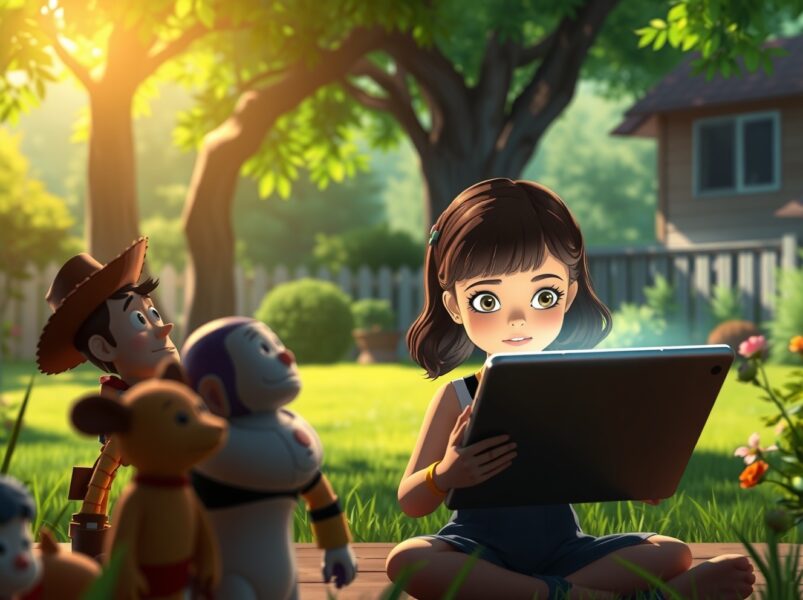
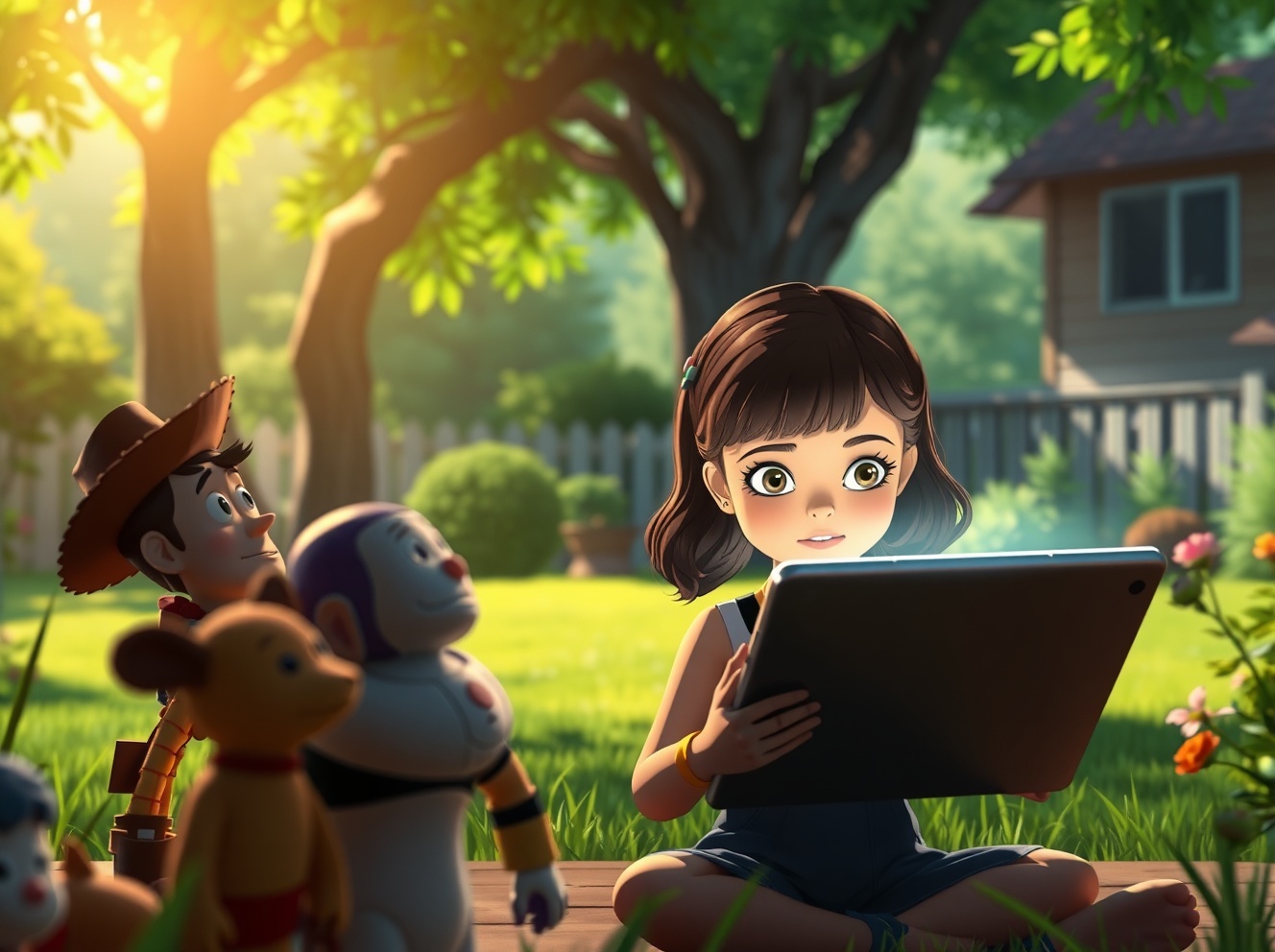
Industry analysts note the trailer’s deliberate visual language. Scenes of Bonnie playing outdoors with Woody and Buzz are warm and vibrant. Conversely, shots featuring the ‘Lilypad’ use cooler, more sterile lighting. This cinematographic choice visually reinforces the core conflict stated by Woody in the trailer: ‘Toys are for play, but tech is for everything.’ The film appears to explore whether these two worlds can coexist or if one must inevitably displace the other.
The evolution of play from 1995 to the AI era
The original ‘Toy Story’ premiered in 1995, a period predating the modern internet, smartphones, and ubiquitous AI. Play was largely analog, centered on physical interaction with objects possessing fixed personalities. The franchise itself has subtly chronicled technological shifts, from the introduction of a battery-operated Buzz Lightyear to the daycare controlled by a surveillance camera-bear in ‘Toy Story 3.’
‘Toy Story 5’ represents a significant escalation. The villain is not a rival toy or a neglectful owner but a piece of consumer technology designed to be addictive. This reflects a substantial real-world shift. A 2024 report from the American Academy of Pediatrics highlighted that children’s average daily screen time has increased by over 60% in the past decade, with educational and entertainment tablets being a primary driver.
- 1995 (Toy Story 1): Play is physical, imaginative, and social.
- 2010 (Toy Story 3): Technology appears as a background threat (surveillance).
- 2026 (Toy Story 5): Technology is the central antagonist, personified as an AI that listens and absorbs attention.
This evolution mirrors the journey of the audience. Many who saw the first film as children are now parents grappling with these exact issues in their own homes.
Expert insight on media literacy and narrative
Dr. Anya Sharma, a media psychologist at UCLA specializing in children and technology, provided context. ‘Pixar is engaging in a sophisticated form of media literacy,’ she explained. ‘By personifying a tablet as a villain that says ‘I’m always listening,’ they are creating a narrative metaphor children can understand. It externalizes an abstract concern about data privacy and screen dependency into a classic hero-versus-villain framework. This can be a powerful catalyst for family conversations.’
Dr. Sharma further noted that the film does not necessarily advocate for the elimination of technology. Instead, it likely explores balance. The conflict arises from Lilypad’s monopolization of Bonnie’s attention, not from the mere existence of tech. This nuance is crucial. It acknowledges technology’s role in modern life while questioning its design and our relationship with it.
Real-world parallels: The rise of smart toys and ethical concerns
The ‘Lilypad’ tablet is a clear analog for real-world smart toys and devices marketed to children. Products like interactive dolls, AI-powered learning pads, and voice-activated assistants have flooded the market. Many such devices collect voice data, track usage patterns, and learn from interactions to improve responsiveness.
In 2023, the Federal Trade Commission strengthened the Children’s Online Privacy Protection Act (COPPA) rules, imposing stricter limits on data collection from users under 13. Advocates have repeatedly raised concerns about toys with always-on microphones and internet connectivity, labeling them potential privacy risks. ‘Toy Story 5’ crystallizes these complex, news-driven debates into an accessible story. The villain’s ominous declaration transforms a privacy policy warning into an emotional story beat.
| Real-World Tech | ‘Toy Story 5’ Parallel | Core Concern |
|---|---|---|
| AI Learning Tablets | The Lilypad Device | Screen Addiction, Attention Economy |
| Smart Speakers/Toys with Voice AI | ‘I’m always listening’ | Data Privacy, Constant Surveillance |
| Algorithmic Content Feeds | Bonnie’s rapt engagement | Loss of Agency, Hyper-engagement Design |
Pixar’s legacy of embedding social commentary
Pixar has a long history of weaving substantive themes into its family-friendly narratives. ‘WALL-E’ commented on consumerism and environmental neglect. ‘Inside Out’ provided a framework for understanding emotional health. ‘Soul’ explored life’s purpose. The studio’s approach is never didactic. Instead, it uses compelling character journeys to explore ideas.
‘Toy Story 5’ continues this tradition by tackling the digital environment shaping childhood. The film arrives at a moment of heightened cultural reflection on technology’s impact. Legislative debates about social media age limits and ‘right to disconnect’ laws in several countries provide a direct real-world backdrop. Consequently, the film’s narrative feels exceptionally timely. It offers a shared cultural text for parents and children to process a universal modern experience.
Conclusion
The ‘Toy Story 5’ trailer signals a bold narrative direction for the iconic franchise. By personifying an AI tablet as its central villain, the film engages directly with contemporary anxieties about screen time, data privacy, and the changing nature of play. This move transcends simple nostalgia. It uses the emotional capital of Woody, Buzz, and Jessie to frame a critical conversation about our relationship with technology. While the full film’s resolution remains to be seen, its premise alone establishes ‘Toy Story 5’ as a poignant cultural mirror. It reflects the complex digital landscape defining childhood in 2026, challenging audiences to consider what—and who—is truly listening.
FAQs
Q1: What is the main conflict in the Toy Story 5 trailer?
The trailer shows the classic toys threatened by a new AI tablet called ‘Lilypad’ that captivates their owner, Bonnie, leading to concerns about screen addiction and the loss of traditional play.
Q2: How does Toy Story 5 relate to real-world technology concerns?
The film’s villain embodies real issues like always-listening devices in smart toys, children’s data privacy under COPPA regulations, and the broader societal debate about excessive screen time and its impact on development.
Q3: Is Toy Story 5 anti-technology?
Based on the trailer and Pixar’s history, the film likely explores balance and healthy relationships with technology, not its outright rejection. The conflict stems from the device’s monopolization of attention, not technology itself.
Q4: Why is the line ‘I’m always listening’ significant?
This line directly references privacy concerns about microphones in smart devices. It transforms an abstract data policy concept into an understandable, emotionally resonant threat within the story.
Q5: How has the ‘Toy Story’ franchise’s view of technology evolved?
The series has chronicled tech’s growing role, from a novel battery-operated toy (Buzz) to a surveillance system in Toy Story 3, and now to a sentient, attention-consuming AI as the primary antagonist in Toy Story 5.
This post Toy Story 5 Confronts the Haunting Reality of AI Toys and Childhood Screen Time first appeared on BitcoinWorld.
0
0


 한 곳에서 모든 암호화폐, NFT 및 DeFi 를 관리하세요
시작하는 데 사용하는 포트폴리오를 안전하게 연결하세요.


