
NYT: US believes Iran will accept 15-year uranium enrichment halt in new nuclear deal

0
0
BitcoinWorld
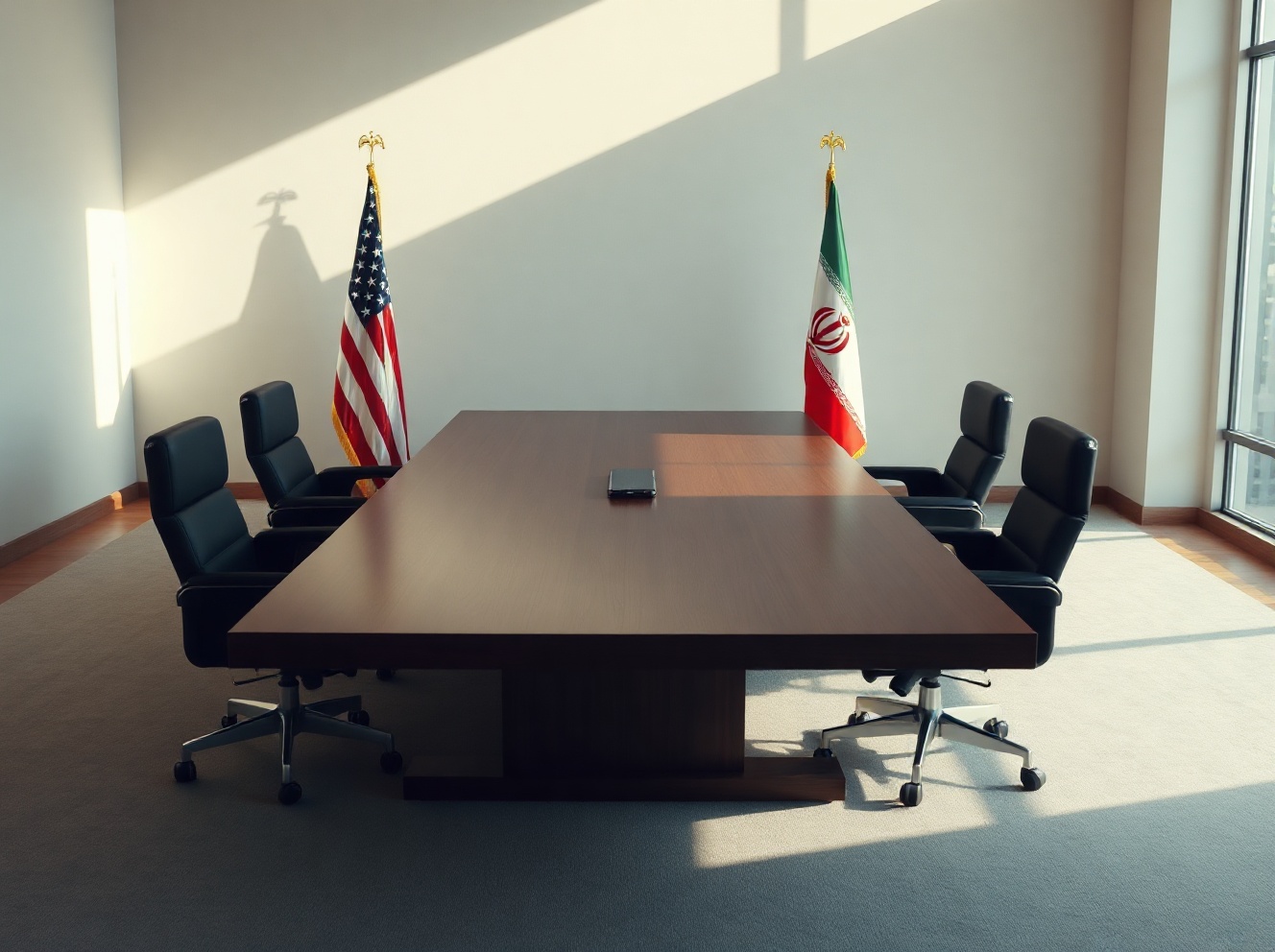
NYT: US believes Iran will accept 15-year uranium enrichment halt in new nuclear deal
The United States government has signaled growing confidence that Iran will agree to suspend its uranium enrichment activities for a period of 15 years, according to a report published by The New York Times. The development, if confirmed, would mark a significant breakthrough in long-stalled nuclear negotiations between Washington and Tehran.
Background of the negotiations
Diplomatic efforts to revive constraints on Iran’s nuclear program have intensified in recent months, following the collapse of the 2015 Joint Comprehensive Plan of Action (JCPOA). The original agreement limited Iran’s enrichment capacity in exchange for sanctions relief, but the United States withdrew from the deal in 2018 under the Trump administration. Iran subsequently accelerated its enrichment activities, raising concerns among Western intelligence agencies about the potential for weaponization.
The NYT report, citing unnamed U.S. officials familiar with the talks, suggests that the current proposal would require Iran to halt all enrichment above 3.67 percent purity for 15 years. This threshold is considered sufficient for civilian energy use but far below the level needed for nuclear weapons. The deal would also include enhanced monitoring by the International Atomic Energy Agency (IAEA) and snapback mechanisms for sanctions if violations are detected.
Implications for regional stability and global markets
A verified enrichment halt would reduce the risk of a nuclear-armed Iran, a scenario that has driven regional arms dynamics and prompted Israeli threats of preemptive strikes. It could also ease tensions in the Persian Gulf, where Iranian proxy forces have been active in Yemen, Syria, and Iraq. For global energy markets, a diplomatic resolution may lead to the lifting of sanctions on Iranian oil exports, potentially increasing global supply and moderating crude prices.
However, analysts caution that the 15-year timeline is not a permanent solution. The proposal mirrors the duration of the original JCPOA restrictions, which critics argue merely delayed rather than prevented enrichment. Skeptics within the U.S. Congress and among Gulf allies have questioned whether Iran can be trusted to comply, given past instances of undeclared nuclear activity.
What this means for readers
For investors and policymakers, the prospect of a deal signals a potential shift in geopolitical risk assessments. Defense contractors with exposure to Middle Eastern conflicts may face headwinds, while shipping and energy firms could benefit from reduced instability. For the broader public, the agreement would represent a rare diplomatic success in a region marked by prolonged confrontation.
Conclusion
The NYT report indicates that U.S. intelligence assessments have shifted toward optimism regarding Iran’s willingness to accept a 15-year enrichment freeze. While no final agreement has been announced, the diplomatic momentum suggests that both sides see strategic value in de-escalation. The coming weeks will be critical as negotiators finalize technical details and seek political approval from Tehran’s leadership.
FAQs
Q1: What is the significance of a 15-year enrichment halt?
A 15-year halt would prevent Iran from producing weapons-grade uranium during that period, giving time for diplomatic engagement and reducing immediate proliferation risks. It mirrors the core restriction of the original 2015 nuclear deal.
Q2: How would this deal affect oil prices?
If sanctions on Iranian oil exports are lifted, global supply could increase by 1–1.5 million barrels per day, potentially lowering crude prices. However, the impact depends on OPEC+ production decisions and market demand.
Q3: What happens after 15 years?
The agreement would not permanently restrict Iran’s enrichment capacity. After the 15-year period, Iran would be permitted to resume enrichment under IAEA supervision, raising questions about long-term nonproliferation strategy.
This post NYT: US believes Iran will accept 15-year uranium enrichment halt in new nuclear deal first appeared on BitcoinWorld.
0
0


 Manage all your crypto, NFT and DeFi from one place
Securely connect the portfolio you’re using to start.


0
0


0
0