
What Orbán’s ouster means for Hungary’s markets, EU funding outlook

0
0
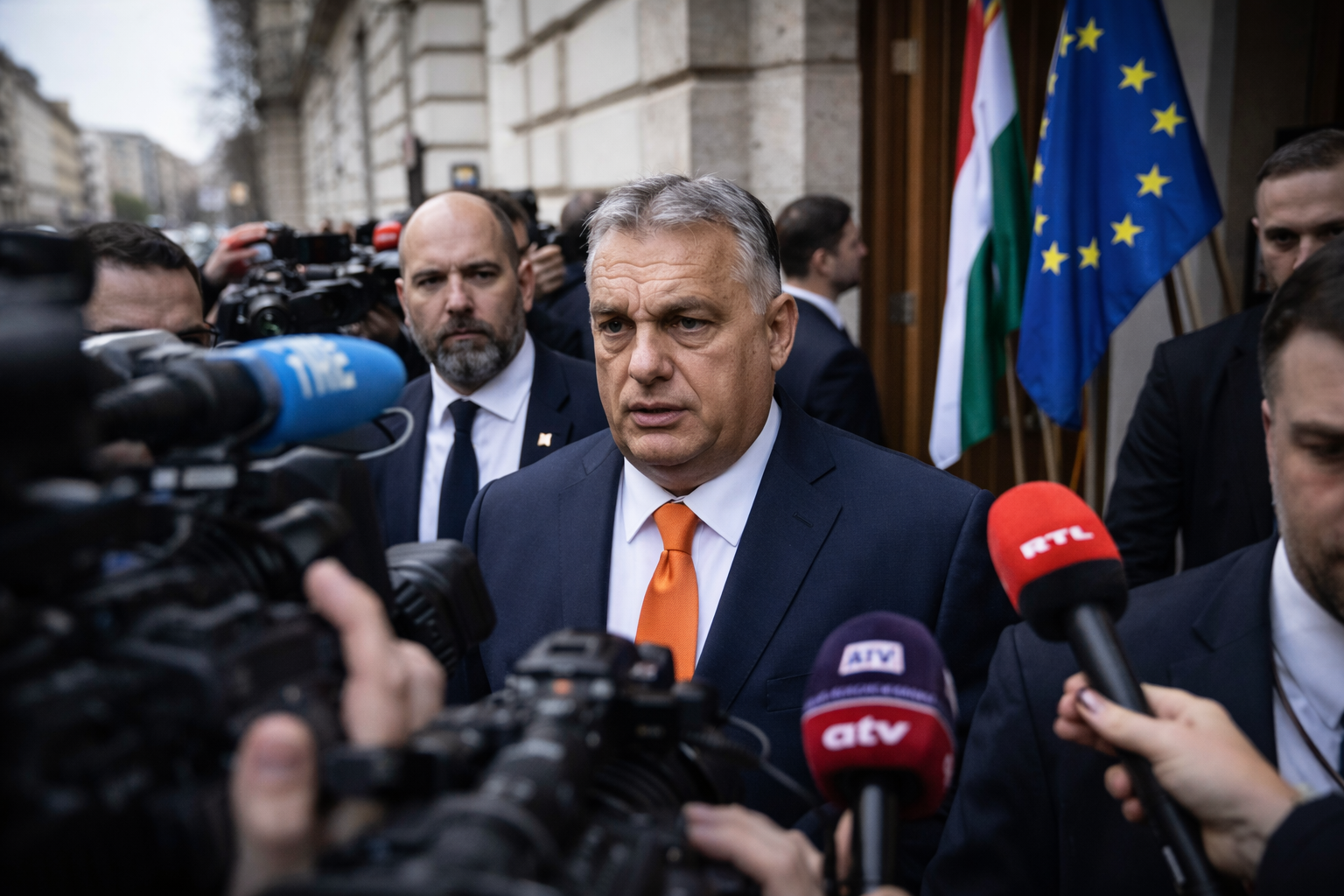
Hungary opened a new political chapter on Monday after opposition leader Peter Magyar swept Viktor Orbán from power.
The elections ended the nationalist prime minister’s 16-year rule and raised hopes in markets that Budapest could finally begin repairing relations with Brussels and revive a weak economy.
The immediate reaction was upbeat as the forint jumped to near three-year highs against the euro.
With Viktor Orbán out of power, the investors are betting on a more pro-European government, which would have a better shot at unblocking billions of euros in suspended EU funding.
The optimism comes with a large caveat as Magyar’s victory changes the political backdrop, but it does not automatically unlock the money Hungary has been missing.
The investors are focused on about 18 billion euros in frozen EU funding across different programmes and more than 6.4 billion euros in pandemic recovery funding in particular.
But the release of funds depends on Hungary meeting rule-of-law and governance conditions, not simply on a friendlier tone from the new government.
A political earthquake ends the Orbán era
It is not just about the defeat of Viktor Orbán, who held power for 16 long years, but also the scale of the victory.
Hungarians voted in record numbers for a pro-EU course led by Magyar, whose centre-right Tisza party is projected to secure a two-thirds parliamentary majority.
That would give him the numbers to amend the constitution, dismantle parts of the system Orbán built, and push through institutional reforms that had long seemed out of reach.
During Orbán's tenure, Hungary and Brussels came face to face on various issues ranging from judicial independence to media freedom and corruption controls.
Markets cheer, but Brussels will want proof
Investors wasted little time welcoming the result.
The forint rose about 2% to 367.81 per euro in thin Asian trade, while the markets had already been bidding up Hungarian stocks, bonds, and the currency in anticipation of a more cooperative turn toward Europe.
The relief trade is easy to understand because if Hungary can regain access to EU funds, that could help the budget and improve the medium-term growth outlook.
But the diplomats and analysts have warned that the new government will have to deliver actual reforms before expecting any broad funding release.
The European Commission tied Hungary’s revised recovery plan to 27 “super milestones” in late 2023.
Its 2025 Rule of Law Report said there had been “no progress yet” on comprehensive lobbying and revolving-door reform, and “no progress” on strengthening the independent governance and editorial independence of public service media.
Weak economy makes funding more urgent
The economic backdrop helps explain why the election became so charged.
Hungary’s economy has stagnated for the past three years, with voters increasingly focused on healthcare, living standards, and wages.
The European Commission’s autumn 2025 forecast said GDP grew just 0.4% in 2025 and was projected to expand by around 2% in 2026 and 2027.
It also said the budget deficit would remain elevated, at 4.6% in 2025 and above 5% in 2026 and 2027, while inflation pressures, though easing, remained strong.
The post What Orbán’s ouster means for Hungary’s markets, EU funding outlook appeared first on Invezz
0
0


 Gestisci cripto, NFT e DeFi in un unico luogo
Connetti in sicurezza il portafoglio che usi per iniziare.