
Pound dips but heads for best week since January

0
0
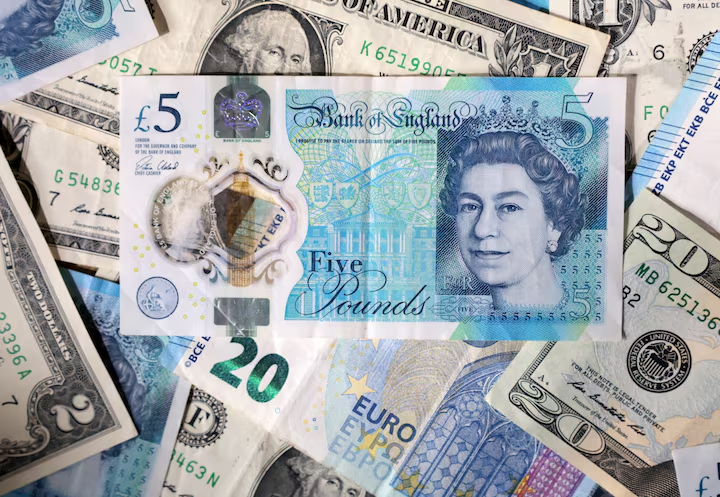
The British pound edged lower on Friday but remained on track for its strongest weekly performance in three months, supported by easing geopolitical tensions following a US-Iran ceasefire agreement.
Sterling slipped 0.15% to $1.342 during the session.
Despite the modest decline, the currency was set to post a weekly gain of 1.7%, marking its biggest rise since mid-January.
The rebound reflects improved investor sentiment after weeks of volatility triggered by rising energy prices and geopolitical uncertainty.
Ceasefire optimism lifts market sentiment
Market confidence received a boost earlier this week after US President Donald Trump announced a two-week ceasefire agreement involving Iran.
The deal includes the reopening of the strategically vital Strait of Hormuz, a critical passage through which around 20% of global oil and liquefied natural gas shipments typically pass.
The announcement led to a sharp rally in sterling, with the pound climbing 0.7% on Wednesday.
Investors interpreted the development as a potential turning point in a conflict that had driven up energy prices and weighed on global economic growth.
However, optimism remained cautious as signs emerged that the ceasefire could be fragile.
On Friday, Trump said Iran was doing "a very poor job" of allowing oil shipments through the strait.
At the same time, Israel continued its strikes in Lebanon, adding to concerns about the stability of the agreement.
Markets await key negotiations
Analysts suggested that financial markets were taking a wait-and-see approach ahead of upcoming negotiations scheduled in Pakistan.
"Financial market moves overnight generally have been relatively modest," said Lloyds Bank analysts Sam Hill and Nicholas Kennedy in a research note.
They added, "It looks like markets are pinning their hopes on positive developments in negotiations in Pakistan over the weekend."
The cautious tone highlights lingering uncertainty despite the recent rebound in risk sentiment.
Currency trends reflect shifting investor behaviour
Since the conflict began on February 27, the pound has declined 0.4% as of April 10.
Other major currencies have also weakened.
Sterling faced particularly strong pressure in March, when it dropped 1.9% against the dollar.
The decline coincided with a surge in energy prices and a broader sell-off in global equities, prompting investors to seek safety in the US dollar.
The UK’s reliance on energy imports further exacerbated the pound’s weakness during this period, as markets anticipated a potential drag on economic growth.
Dollar weakens as risk appetite returns
The US dollar showed signs of weakening, with the dollar index on track for its largest weekly decline since mid-January.
Investors have been rotating out of the safe-haven currency and reallocating funds into equities, bonds, and other currencies as risk appetite improves.
Meanwhile, the euro remained largely stable against the pound on Friday, trading at 87.06 pence.
Since the start of the conflict, the euro has slipped around 0.7% against sterling as traders continue to assess the relative economic impact of the crisis on different regions.
Overall, while geopolitical risks persist, the pound’s recent performance suggests that markets are cautiously optimistic about the potential for stabilisation in global conditions.
The post Pound dips but heads for best week since January appeared first on Invezz
0
0

 한 곳에서 모든 암호화폐, NFT 및 DeFi 를 관리하세요
시작하는 데 사용하는 포트폴리오를 안전하게 연결하세요.


0
0
