
Arbitrum (ARB) Price Outlook 2026–2030: Can the Layer-2 Token Reach $6?

0
0
BitcoinWorld
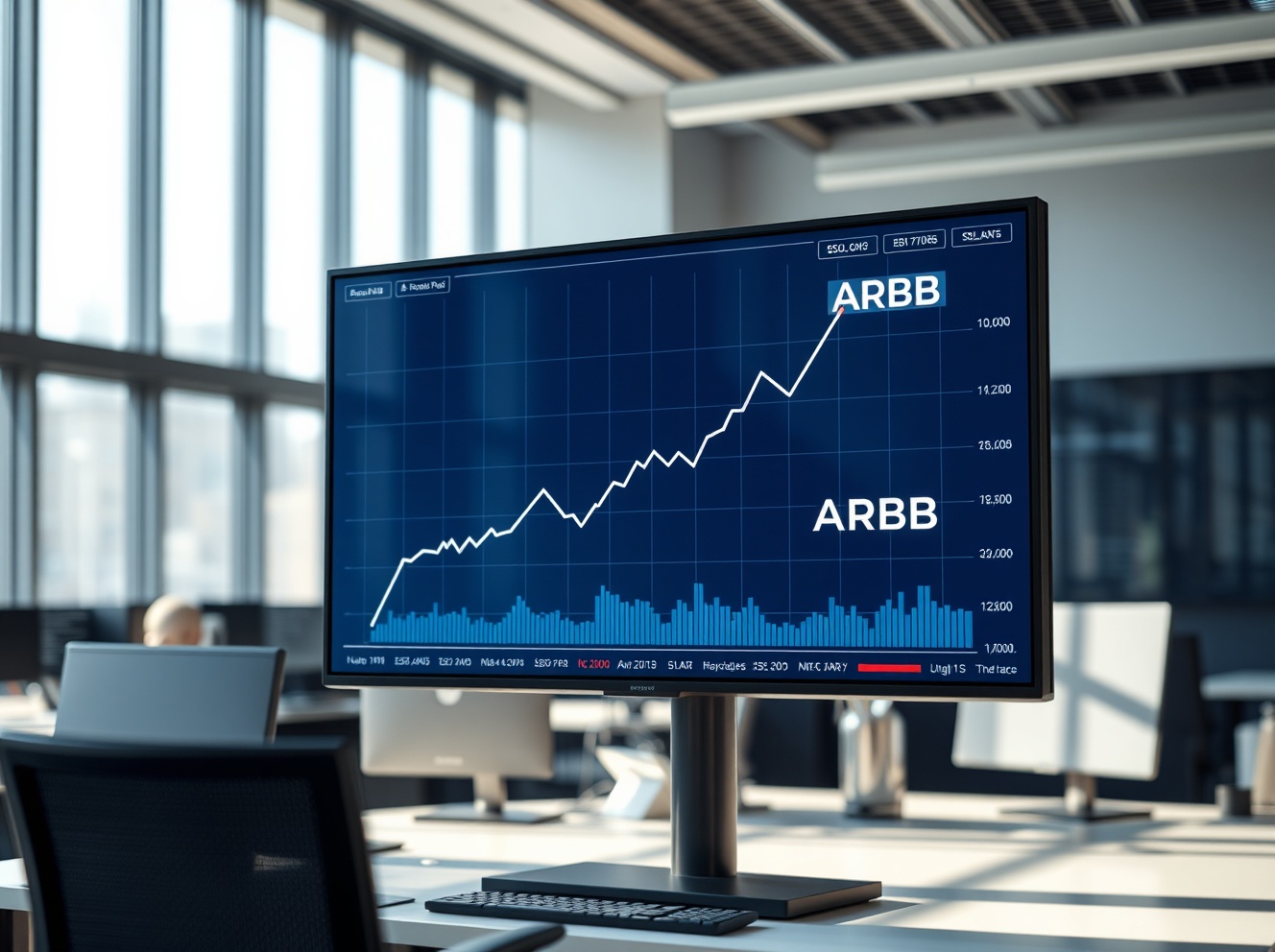
Arbitrum (ARB) Price Outlook 2026–2030: Can the Layer-2 Token Reach $6?
Arbitrum, the leading Ethereum layer-2 scaling solution, has become a central player in the ongoing effort to reduce transaction costs and improve network throughput. Its native token, ARB, has experienced significant volatility since its airdrop in 2023, prompting investors to ask whether the token can appreciate to $6 by 2030. This analysis examines the key factors that could influence ARB’s price trajectory over the next several years, including network adoption, tokenomics, and broader market conditions.
Understanding Arbitrum’s Position in the Layer-2 Landscape
Arbitrum operates as an optimistic rollup, processing transactions off the Ethereum mainnet and submitting compressed data back to it. This design allows for faster and cheaper transactions while inheriting Ethereum’s security. As of early 2026, Arbitrum remains one of the most widely used layer-2 networks by total value locked (TVL) and daily active addresses. Competitors such as Optimism, zkSync, and Base have gained ground, but Arbitrum’s first-mover advantage and deep liquidity pools continue to provide a strong foundation.
The network’s governance token, ARB, grants holders voting rights on protocol upgrades and treasury management. Its value is tied to the network’s utility and the demand for block space, rather than direct fee distribution. This distinction is important for price predictions, as ARB’s value accrual mechanisms differ from those of protocols that share revenue with token holders.
Key Factors Influencing ARB’s Price by 2030
Several fundamental drivers will determine whether ARB can reach the $6 threshold. The first is sustained growth in network activity. If Arbitrum continues to attract decentralized applications (dApps) in decentralized finance (DeFi), gaming, and non-fungible tokens (NFTs), demand for block space and, by extension, governance participation, could increase. The second factor is the broader adoption of Ethereum layer-2 solutions. As Ethereum’s mainnet remains congested during peak usage, the need for efficient scaling solutions like Arbitrum becomes more pronounced.
Token supply dynamics also play a critical role. ARB has a circulating supply of approximately 1.5 billion tokens, with a maximum supply of 10 billion. Unlocks from team, investor, and advisor allocations are scheduled through 2027. If the market absorbs these unlocks without significant selling pressure, the price floor could stabilize. Conversely, if large holders liquidate positions, short-term price suppression is likely.
Market Sentiment and Macroeconomic Conditions
Cryptocurrency markets remain highly sensitive to macroeconomic trends, including interest rate policies, inflation data, and regulatory developments. A favorable regulatory environment in major economies like the United States and the European Union could boost institutional participation. Conversely, restrictive policies could dampen sentiment across the sector. The $6 target implies a market capitalization of approximately $9 billion at current circulating supply, which is within the range of top layer-1 and layer-2 tokens during bullish cycles.
Conclusion
Reaching $6 by 2030 is plausible for ARB if the network maintains its competitive edge, the broader crypto market enters a sustained growth phase, and token unlocks are absorbed without excessive dilution. However, the path is not guaranteed. Investors should weigh the potential upside against the inherent volatility and regulatory uncertainty that define the cryptocurrency space. As with any long-term forecast, this analysis is based on current data and assumptions that may evolve.
FAQs
Q1: What is the current price of Arbitrum (ARB)?
As of early 2026, ARB trades in the range of $0.80 to $1.20, reflecting broader market trends and network developments. Prices are subject to rapid change.
Q2: Does ARB have a fixed supply?
No. ARB has a maximum supply of 10 billion tokens, with a portion already circulating and the remainder subject to scheduled unlocks through 2027.
Q3: How does Arbitrum generate value for ARB holders?
ARB is primarily a governance token. Holders can vote on protocol parameters and treasury spending. Unlike some tokens, ARB does not directly capture transaction fees, though proposals to change this model may be introduced in the future.
This post Arbitrum (ARB) Price Outlook 2026–2030: Can the Layer-2 Token Reach $6? first appeared on BitcoinWorld.
0
0


 Gerencie todo seu criptograma, NFT e DeFi de um só lugar
Conecte com segurança o portfólio que você está usando para começar.


0
0

0
0