
Vitalik Buterin Urges New Approach as Ethereum Layer 2 Usage Drops by 50%

0
0
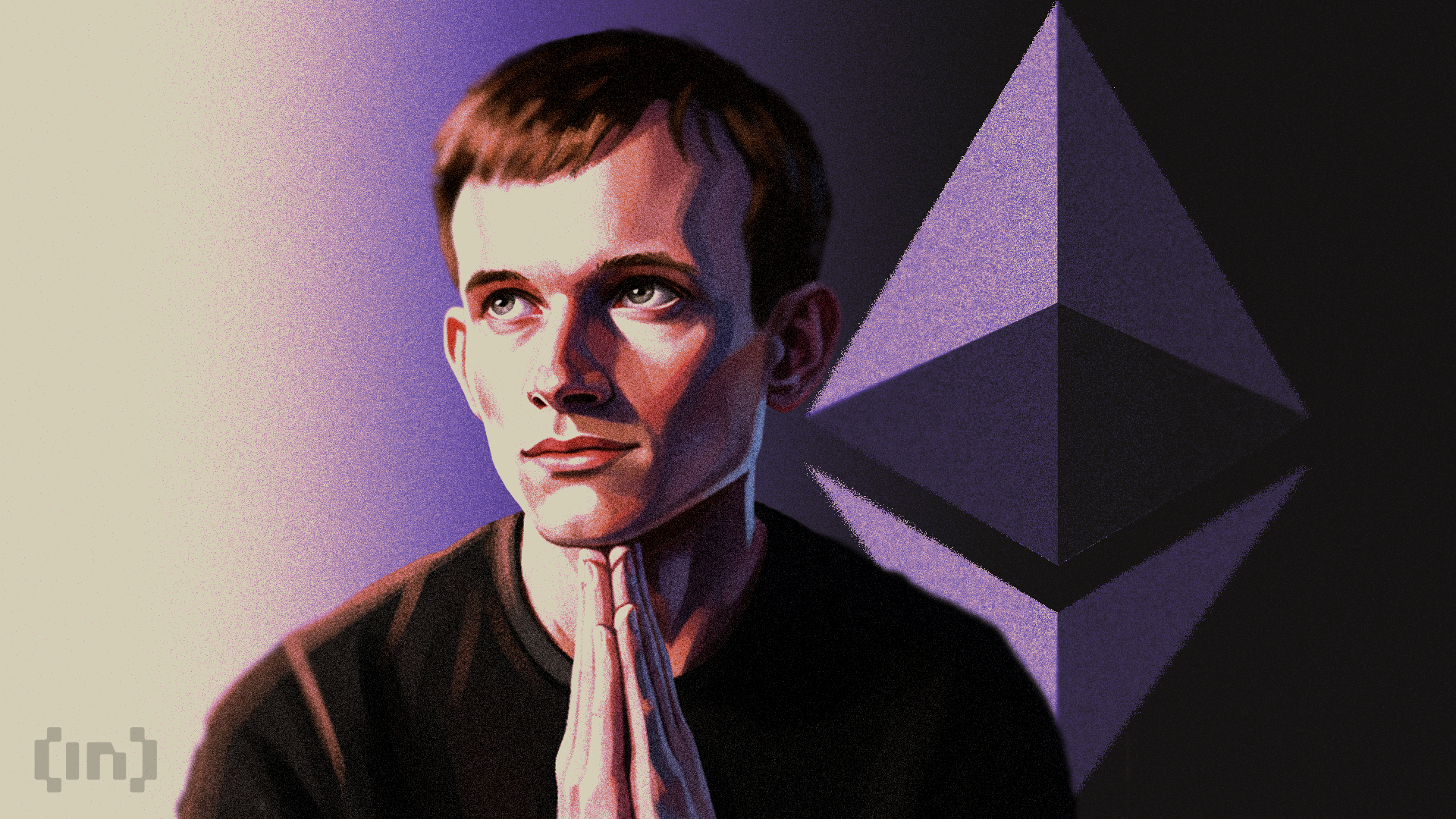
Ethereum co-founder Vitalik Buterin is urging Layer 2 networks to rethink their strategy. He points to a major decline in L2 users—from 58.4 million to about 30 million—even as Ethereum’s base network more than doubled its own active addresses.
This shift comes as Ethereum’s primary network shows unexpected strength. Transaction fees are at record lows, and experts expect gas limits to rise through 2026. As a result, Ethereum’s base layer can now handle many more transactions independently.
Layer 2’s Original Purpose Fades
In a detailed post, Buterin explained that the original Layer 2 vision is outdated. Initially, L2s were expected to act as “branded shards” that would enhance Ethereum, with the main network seen as limited in its scalability. However, Ethereum Layer 1 now processes transactions at minimal cost. Meanwhile, planned gas limit increases will further expand its capacity. Layer 2 projects have also struggled to reach top-tier security, with stage 2 rollup targets proving difficult to achieve.
TokenTerminal data shows monthly Layer 2 addresses fell from 58.4 million in mid-2025 to around 30 million by February 2026. During this period, Ethereum’s main network gained users—active addresses soared from 7 million to 15 million, a 41.4% increase. This sharp reversal suggests users are moving back to the base chain as transaction fees fall.
Buterin also noted that some Layer 2 operators admit they may never aim for stage 2 rollup status. Instead, they focus on regulatory needs demanding ultimate network control. This approach diverges from the permissionless, trustless ideals at Ethereum’s core.
Market Adjusts to Uncertainty
The market has responded to this identity crisis with skepticism. Top Layer 2 tokens declined 15% to 30% in January 2026, based on CoinGecko data. The sector’s total market capitalization is now $7.95 billion as of February 4, 2026, highlighting continued weakness.
Leading tokens such as Arbitrum ($0.13211), ZKsync ($0.02327), and Optimism ($0.2192) all reflect this mixed performance. Still, these numbers mask a deeper issue. As Ethereum Layer 1’s accessibility improves, many users opt for its superior security. The need for Layer 2 networks as cost-savers fades, leaving L2 teams to rethink their fundamental role in the ecosystem.
Behavioral changes are clear: when transaction costs drop, users gravitate to the main chain. This contradicts earlier assumptions that Layer 2 would dominate everyday transactions. Security and simplicity on Layer 1 are increasingly valued as barriers fall.
Vitalik Buterin’s Roadmap for Layer 2
Buterin’s recommendations for Layer 2 networks focus on defining new value beyond scaling. He highlights potential areas such as privacy-focused virtual machines, use cases specific to single applications, or entirely new approaches for non-financial platforms like social networks and identity systems.
“What would I do today if I were an L2? Identify a value add other than ‘scaling’. Examples: non-EVM specialized features/VMs around privacy, efficiency specialized around a particular application, truly extreme levels of scaling that even a greatly expanded L1 will not do, a totally different design for non-financial applications, eg. social, identity, AI.”
Buterin insists that Layer 2s that manage ETH or other Ethereum-based assets must achieve at least stage 1 security. Without this, they become isolated blockchains with bridge links, losing their function as Ethereum extensions. He also supports strong interoperability, though the details vary depending on the network’s structure.
A native rollup precompile, Buterin argues, is key infrastructure. This tool would allow Ethereum to verify ZK-EVM proofs directly, keep up with protocol changes, and provide hard-fork protection. It could give Layer 2s the freedom to design custom solutions while allowing them to rely on Ethereum’s secure verification layer.
This flexible vision allows for a spectrum of Layer 2 models. Networks with EVM extensions can use the precompile for standard transactions and create unique proofs for added features. Such modularity supports trustless interaction with Ethereum while also leaving room for centralized control. Buterin notes that this is part of the developer’s choice in a permissionless system.
As Ethereum’s base layer continues to grow through 2026, Layer 2 networks face a pivotal test. Data confirms that users choose mainnet security when it is attainable. Layer 2s must now offer compelling reasons for users to engage—beyond only reducing costs. The answer may lie in advanced privacy tools, new virtual machines, or distinct applications. The direction Layer 2s choose will help chart Ethereum’s future landscape.
0
0


 Gérez tous vos cryptos, NFT et DeFi à partir d'un seul endroit.
Connectez de manière sécurisée le portefeuille que vous utilisez pour commencer.


