
Crypto Banking Breakthrough: Unlocking the Future of US Finance with Bold Regulatory Shifts

0
0
BitcoinWorld
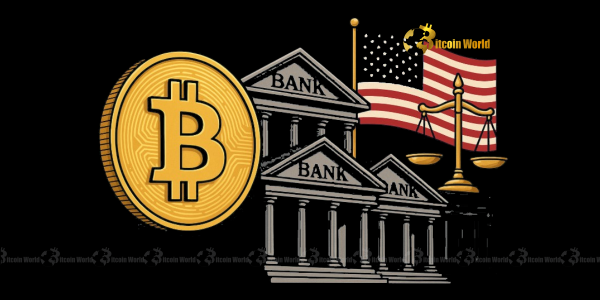
Crypto Banking Breakthrough: Unlocking the Future of US Finance with Bold Regulatory Shifts
The financial landscape is undergoing a monumental transformation, with cryptocurrency companies no longer content to operate solely on the fringes of traditional finance. A powerful surge is underway as these innovative firms aggressively pursue entry into the core of the U.S. banking sector. This strategic pivot is not merely an ambition; it’s a direct response to a palpable shift in the regulatory climate, particularly under the current administration, fostering a newfound sense of regulatory optimism. This move signifies a pivotal moment for crypto banking, promising to redefine how we interact with money and financial services.
Why the Surge in Crypto Banking? Navigating US Crypto Regulation
The push by crypto firms into the U.S. banking system is a clear indicator of a maturing industry seeking legitimacy and broader adoption. For years, digital asset companies operated in a fragmented and often uncertain regulatory environment, facing a patchwork of state-by-state licenses and a cautious federal stance. However, recent signals from Washington D.C. suggest a more accommodating approach, particularly regarding innovation in financial technology.
The Financial Times highlights this shift, noting that President Donald Trump’s administration has cultivated a more favorable atmosphere for digital assets. This isn’t just about a change in rhetoric; it’s translating into tangible actions and a willingness from federal agencies to engage with and understand the crypto space. This evolving perspective is crucial because it offers a pathway for crypto companies to achieve national recognition and operate under a unified regulatory framework, rather than navigating disparate state requirements. This streamlined approach significantly reduces operational complexities and costs, making the prospect of becoming a federally regulated entity far more appealing. The goal is clear: to move beyond the perception of a niche industry and integrate seamlessly into the broader financial ecosystem, offering services that rival traditional banking institutions while maintaining the inherent advantages of blockchain technology.
Pioneering Moves: The Race for Digital Asset Custody
At the forefront of this banking revolution are industry giants making strategic moves to secure their place within the traditional financial framework. Companies like Ripple, Circle, and BitGo have taken significant steps, applying for national trust bank charters. These charters are not just symbolic; they are foundational, granting these firms the authority to offer critical services like digital asset custody and payment processing without the burdensome requirement of obtaining individual licenses from every state. This is a game-changer for scalability and operational efficiency.
- Ripple: Known for its enterprise blockchain solutions and XRP cryptocurrency, Ripple’s pursuit of a trust bank charter signals its intent to deepen its roots in cross-border payments and potentially expand into other banking services, leveraging its existing network and technology.
- Circle: A major player in stablecoins, particularly USDC, Circle’s application underscores the growing importance of regulated stablecoin issuance and redemption. A trust charter would solidify its position as a trusted financial intermediary, bridging fiat and crypto.
- BitGo: A leading provider of institutional-grade digital asset custody, BitGo’s move to secure a national trust charter is a natural progression. It aims to provide highly secure, regulated custody solutions for a burgeoning institutional market, offering peace of mind to large investors and financial institutions entering the crypto space.
The ability to provide regulated digital asset custody is paramount. As institutional money flows into crypto, the demand for secure, compliant, and insured storage solutions grows exponentially. National trust bank charters provide the necessary regulatory assurances, aligning crypto operations with established financial standards, thereby fostering greater trust and encouraging broader institutional adoption.
Beyond Custody: Fintech Innovations Redefining Financial Services
The expansion isn’t limited to custody and payments; it’s broadening to encompass a wider array of financial services, ushering in a new era of fintech innovations. Traditional banking products are being reimagined with a crypto-native twist, promising greater efficiency, accessibility, and user control.
- Kraken Exchange: A veteran in the cryptocurrency exchange space, Kraken is set to launch debit and credit cards by the end of the month. This move directly integrates crypto holdings with everyday spending, allowing users to seamlessly spend their digital assets in the real world, blurring the lines between traditional currency and cryptocurrencies.
- Robinhood: The popular trading app, known for democratizing stock trading, is preparing to introduce comprehensive banking services this fall. While already offering crypto trading, expanding into banking signals Robinhood’s ambition to become a holistic financial platform, offering everything from savings accounts to lending, potentially leveraging crypto assets in novel ways.
This broader shift signifies that crypto firms are expanding beyond just offering digital asset trading. They are becoming full-fledged financial service providers, competing directly with traditional banks. Simultaneously, traditional fintech companies are leveraging crypto capabilities to grow their U.S. presence, recognizing the immense potential of blockchain technology to enhance existing services and create new ones. This convergence is leading to an exciting period of innovation, where the speed and transparency of crypto meet the stability and regulatory compliance of traditional finance.
The Regulatory Roadmap: Stablecoin Legislation and Beyond
A crucial element underpinning this accelerated push is the ongoing legislative effort to establish clear rules for the crypto market. U.S. lawmakers are actively working on key crypto-related bills, aiming to provide the regulatory clarity that the industry has long craved. This proactive approach to stablecoin legislation and market structure is seen as a vital step towards mainstream adoption and institutional participation.
This week is particularly significant, with expected votes on several pivotal pieces of legislation:
- The GENIUS Act on Stablecoin Regulation: This bill aims to create a comprehensive framework for stablecoins, which are digital currencies pegged to stable assets like the U.S. dollar. Clear regulation is essential for stablecoins to fulfill their potential as a bridge between traditional finance and the crypto economy. It would likely define issuers, reserve requirements, and oversight, providing confidence for both users and financial institutions. Major banks, such as Bank of America, are reportedly preparing to issue their own stablecoins once these regulations are finalized, indicating a readiness from traditional finance to embrace this new asset class.
- The CLARITY Act on Market Structure: This legislation seeks to clarify the regulatory classification of digital assets, addressing whether they are securities, commodities, or something else entirely. Such clarity is vital for exchanges and other market participants to operate with certainty, reducing the risk of regulatory enforcement actions and fostering a more robust, transparent market.
- A Proposal to Ban a Central Bank Digital Currency (CBDC): While not directly related to crypto firms entering banking, this proposal reflects a broader debate about the future of digital money and the role of government. A ban on a U.S. CBDC could indirectly boost the importance of private stablecoins and other decentralized digital assets, as they would remain the primary avenues for digital cash innovation.
The passage of these bills, particularly those pertaining to stablecoin legislation, would provide a much-needed foundation for the crypto industry to flourish within a regulated environment. It would unlock massive potential for growth, encouraging more traditional financial institutions to engage with digital assets and fostering greater consumer trust.
Benefits of This Transformative Convergence
The integration of crypto firms into the U.S. banking sector promises a wealth of advantages for various stakeholders:
- For Consumers: Expect innovative products, lower fees, faster transactions (especially cross-border), and greater financial inclusion. Access to services like crypto-backed loans or seamless crypto-to-fiat conversions will become more commonplace.
- For Crypto Firms: Enhanced legitimacy, access to broader capital markets, improved trust from institutional clients, and the ability to offer a full suite of regulated financial products.
- For Traditional Banks: Opportunities for new revenue streams, technological innovation through partnerships, and the ability to stay competitive in an evolving financial landscape. It’s a chance to modernize and expand their offerings.
- For the Financial System: Increased efficiency, transparency, and resilience. The underlying blockchain technology can streamline processes, reduce fraud, and create a more interconnected global financial network.
Challenges on the Horizon
While the outlook is optimistic, the path to full integration is not without its hurdles. These challenges require careful navigation:
- Regulatory Nuances: Even with positive shifts, the regulatory landscape remains complex and evolving. Different agencies (OCC, SEC, CFTC, Fed) have overlapping jurisdictions, requiring careful coordination and consistent interpretation.
- Technological Integration: Merging disparate legacy banking systems with agile blockchain technologies presents significant technical challenges, requiring robust IT infrastructure and cybersecurity measures.
- Traditional Bank Resistance: Established banks may view crypto firms as competitors, leading to resistance in partnerships or lobbying efforts against favorable crypto regulations.
- Security and Risk Management: The crypto space, while maturing, still faces unique security risks, including hacks, smart contract vulnerabilities, and market volatility. Regulated entities must adhere to stringent risk management protocols.
- Public Perception: Overcoming lingering skepticism and negative perceptions about cryptocurrencies, often linked to illicit activities or speculative bubbles, remains an ongoing challenge.
Actionable Insights for Navigating the New Financial Frontier
As the lines between traditional finance and crypto continue to blur, staying informed and adaptable is key:
- For Investors: Diversify your portfolio to include regulated digital assets and consider services from crypto firms entering the banking sector. Understand the regulatory environment influencing your investments.
- For Businesses: Explore how blockchain technology and digital assets can enhance your operations, from supply chain finance to customer loyalty programs. Consider partnerships with compliant crypto firms.
- For Consumers: Keep an eye on new financial products and services offered by both traditional banks and crypto companies. Evaluate how these innovations can improve your financial management and access to capital.
- For Policymakers: Continue to foster a clear, consistent, and innovation-friendly regulatory framework that balances consumer protection with technological advancement.
The accelerated push by crypto firms into the U.S. banking sector is more than just a trend; it’s a fundamental shift poised to reshape the very foundations of finance. Driven by a newfound regulatory optimism and propelled by ambitious players seeking to offer comprehensive crypto banking services, the integration of digital assets into the traditional financial system is rapidly becoming a reality. From securing crucial digital asset custody charters to launching innovative debit cards and comprehensive banking platforms, these firms are demonstrating their commitment to legitimacy and mainstream adoption. With ongoing stablecoin legislation and other vital regulatory discussions, the stage is set for a future where digital and traditional finance are not just coexisting but are inextricably linked, creating a more efficient, inclusive, and dynamic global economy. This is a monumental leap forward, promising unprecedented opportunities for growth and innovation.
To learn more about the latest crypto banking trends, explore our article on key developments shaping institutional adoption in the digital asset space.
This post Crypto Banking Breakthrough: Unlocking the Future of US Finance with Bold Regulatory Shifts first appeared on BitcoinWorld and is written by Editorial Team
0
0


 Gérez tous vos cryptos, NFT et DeFi à partir d'un seul endroit.
Connectez de manière sécurisée le portefeuille que vous utilisez pour commencer.

0
0

0
0

0
0

0
0