
How can I start trading? A beginner’s step-by-step guide

0
0
What trading is and who should consider it
Trading versus investing: a simple comparison
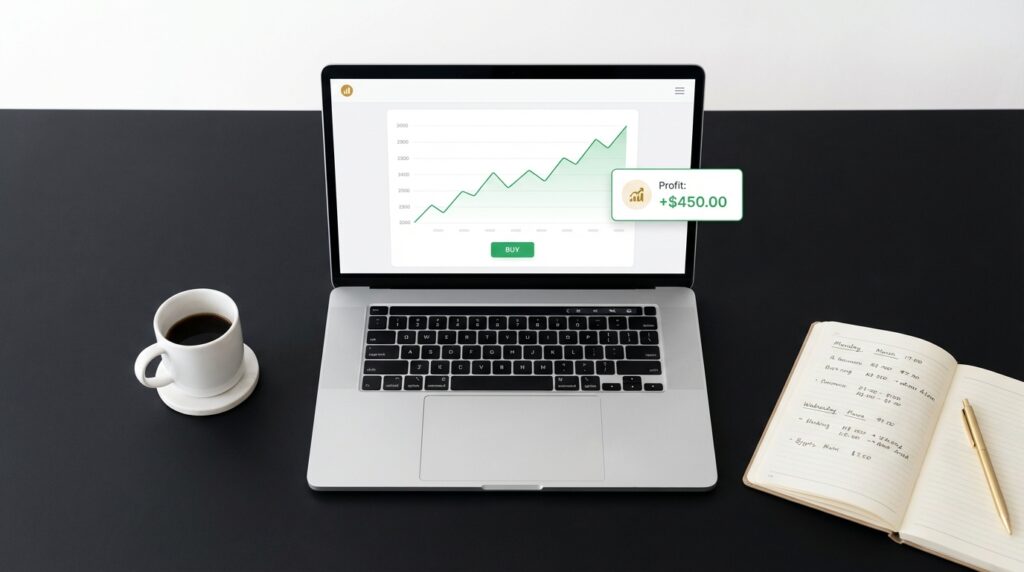
Trading means buying and selling assets with the aim of making gains over shorter timeframes than long-term investing. Traders often focus on price moves over days, hours or minutes, rather than holding assets for years. This distinction helps set expectations about time commitment, transaction frequency and the potential for rapid gains as well as rapid losses.
For beginners it is important to start with reliable, regulator-backed guidance on the basics. The U.S. Securities and Exchange Commission and investor-education materials provide stepwise beginner guidance on topics such as account types, order types and investor protections, which is a useful baseline for learning what to expect Investor.gov Introduction to Investing.
Suggest using a simulated trading account to practice order entry and timing
Use daily short sessions for practice
Which markets you can trade and what that means
Markets you can trade include stocks, exchange-traded funds, futures, options and forex. Each market has different hours, liquidity and typical costs. Liquidity and spreads matter because they affect how close the execution price is to the price you expect when you place an order. For more on ETFs see advanced ETF trading strategies.
Beginners should treat trading as an activity with real downside risk. Use only money you can afford to lose and be prepared for occasional losses. That approach keeps learning manageable and helps avoid using funds needed for everyday expenses.

Decide your goals, capital and risk tolerance before you open an account
Why clear goals matter
Clear goals change the right approach. If your aim is to learn, you may prefer low-cost demo accounts and small, fungible positions. If you aim for income, your tools and time horizon will differ. Stating your objective first helps you choose the right account type, trading frequency and risk rules.
How to think about capital, position size and time horizon
Decide how much capital you can afford to risk and write it down. A simple habit is to set a fraction of total savings you are willing to use for learning trades and keep essential funds separate. This reduces the chance that early losses affect basic finances.
Position sizing means limiting how much of your trading capital goes into any single trade. For example, many beginners choose small position sizes so a single loss does not significantly reduce total capital. Also consider time horizon: short-term trades need closer monitoring than longer ones, and your availability to watch markets should affect position size choice.
Choose a regulated broker and the right account
How to check regulation and investor protections
Choose a regulated broker and verify protections such as SIPC or local equivalents before opening an account. Regulator and industry guidance recommend checking registration, investor protections and official disclosures to confirm a broker operates under appropriate rules FINRA guidance on choosing a broker, and you can also consult our investing category for related resources.
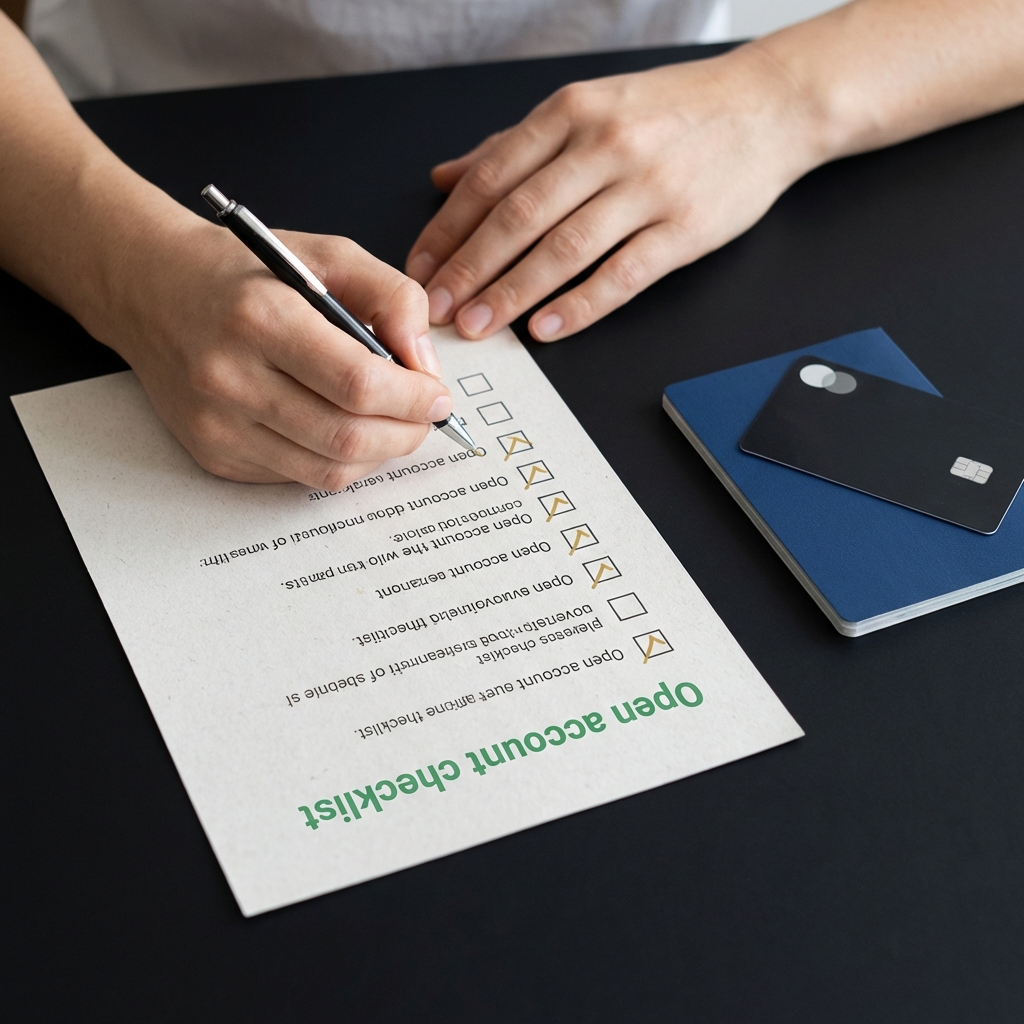
Free beginner trading checklist from FinancePolice
Consider subscribing to FinancePolice updates or downloading a free beginner checklist to help compare brokers and keep important steps in one place.
Compare fees, execution and margin rules
When comparing brokers, look beyond headline commission rates. Check spreads, routing practices, inactivity fees and any platform or data charges. Execution quality and margin terms can differ significantly and affect the cost and risk of trading. Read the broker’s disclosures carefully and confirm how order handling works.
Verify margin and leverage rules because using leverage increases both potential gains and potential losses. Broker disclosures and regulator checklists explain how margin works and the eligibility requirements, which helps you avoid unexpected margin calls.
Common account types beginners see
Common account types include cash accounts, margin accounts and retirement accounts. Cash accounts do not allow borrowing against positions. Margin accounts allow borrowing but include extra rules and risks. Retirement accounts have tax rules and may limit trading choices. Choose an account type that fits your goals and comfort with leverage.
Open, verify and fund an account; practice with a demo
Steps to open and verify an account
Typical opening steps include providing identification, completing application forms and answering suitability questions. Brokers generally require verification before enabling live trading, so plan for a short verification period when preparing to start.
Funding options and settlement basics to check
Check funding options such as bank transfer, wire, or electronic payment and ask about settlement timing. Settlement rules determine how soon proceeds from a sale or a deposit are available to reuse. Different assets and account types may have different settlement timing, so confirm details with your broker.
Paper trading and practice accounts: how they help
Using a paper trading or demo account lets you practice order entry, order types and market timing without risking real money. Simulated trading helps build muscle memory for placing orders and lets you experiment with position sizing and stop-loss settings before live trading CFA Institute on paper trading.
Order types, execution and what affects trade costs
Market, limit and stop orders explained
Market orders execute at the best available price and are useful when speed matters, but they can result in price slippage in fast-moving or illiquid markets. Limit orders set the exact price at which you are willing to buy or sell, which helps control execution price but may not fill. Stop or stop-loss orders can help limit downside by triggering a market or limit order when a price level is reached.
Practice choosing order types in a demo account before using them live. Using conservative order choices while you learn reduces the chance of unexpected fills or large slippage.
Start with regulator-backed learning, choose a regulated broker, practice in a demo, use small position sizes with stop-losses, keep a trade journal and verify tax and broker disclosures before scaling up.
Routing, execution quality, spreads and slippage
Routing and execution quality influence how closely your trade fills match market prices, and spreads represent a hidden cost on many trades. Market reports show elevated retail activity in recent years, which makes checking liquidity, spreads and total trading costs especially important when evaluating assets to trade WFE 2024 market statistics.
How costs and liquidity can change outcomes
Slippage and wide spreads can turn a small expected gain into a loss on a single trade. Check typical spreads for the instruments you plan to trade and factor execution quality into your plan. When in doubt, test small trades or use limit orders while you learn.
Basic risk management every beginner should use
Position sizing and stop-loss rules
Position sizing limits the amount at risk in any single trade so one loss does not take out a large portion of your capital. Education materials and investor-protection bodies recommend simple rules to cap exposure, such as risking a small percentage of your trading capital per trade Investor.gov guidance.
Stop-loss orders can automate an exit at a predefined price and help prevent emotional decision-making during volatile moves. Test stop-loss placement and behavior in a demo account to see how it performs in live markets.

Diversification and limiting leverage
Beginners should avoid concentrating capital into a single position and should limit use of leverage until they understand its effects. Diversification across different instruments reduces the chance that a single adverse move wipes out most of your capital.
Keep a trade journal and review trades
Keeping a trade journal helps you learn faster. Record entry and exit reasons, order type, position size and outcome. Regularly reviewing your journal highlights recurring mistakes and helps you refine rules. Practice accounts are useful for building this habit before committing larger sums CFA Institute on practice accounts.
A realistic 30-day beginner plan: learn, paper trade, small live trades
Week-by-week checklist you can follow
Week 1: Learn basic terminology, read regulator primers and set clear goals. Week 2: Open a demo account and practice market, limit and stop orders. Week 3: Place a few small live trades in a funded cash account, using only a small fraction of learning capital. Week 4: Review trades, refine position sizing and adjust rules based on journal notes. This stepwise approach mirrors regulator and educator recommendations and helps build habits without large early risk Investor.gov Introduction to Investing. Find additional beginner checklists at FinancePolice.
How to size and scale small live trades
Start live trading with small, fungible positions you can replace or repeat without stress. Use fixed percentage position-sizing rules and limit leverage. Scale position sizes only after you have several documented trades and consistent review practices in your journal.
Common mistakes to avoid during month one
Common early mistakes include overleveraging, ignoring fees, using market orders in illiquid markets and failing to keep a trade journal. Avoid these by practicing in a demo, checking costs before trading and documenting every trade.
Next steps, important checks and when to get professional help
Verify tax and local rules for your jurisdiction
Tax treatment, fees and leverage rules differ by country and sometimes by account type. Verify tax rules and reporting obligations for your jurisdiction and ask a qualified tax professional if you have questions.
Double-check broker disclosures and fees
Before increasing exposure, review your broker’s fee schedule, order routing disclosures and protections such as SIPC or local equivalents. Broker terms can change, so periodically recheck disclosures and account statements FINRA on broker disclosures.
When to consult a qualified professional
Seek qualified financial or tax advice for complex situations, large sums, or if you are unsure how trading fits with long-term financial goals. Professionals can help with personalized tax planning and risk assessments.
No. Beginners can start with small positions or a demo account to learn. Only risk money you can afford to lose and avoid using essential funds.
Verify the broker is regulated, check investor protections like SIPC or local equivalents, review fees and read margin and order handling disclosures.
There is no fixed time. Many beginners use paper trading until they can place orders confidently and record consistent trade outcomes, often several weeks.
References
- https://www.investor.gov/introduction-investing
- https://www.sec.gov/about/divisions-offices/division-trading-markets/division-trading-markets-compliance-guides/guide-broker-dealer-registration
- https://financepolice.com/advanced-etf-trading-strategies/
- https://financepolice.com/category/investing/
- https://www.finra.org/investors/learn-to-invest/brokers-accounts/choosing-broker
- https://www.cfainstitute.org/en/research/foundation/2024/paper-trading-practice-accounts
- https://www.world-exchanges.org/our-work/publications/world-exchanges-2024-annual-statistics/
- https://financepolice.com/
- https://financepolice.com/advertise/
0
0

 Gestisci cripto, NFT e DeFi in un unico luogo
Connetti in sicurezza il portafoglio che usi per iniziare.


0
0


0
0