
How Bitcoin Mining in Iran Can Cost Just $1,320 and Sell for $68,000

0
0
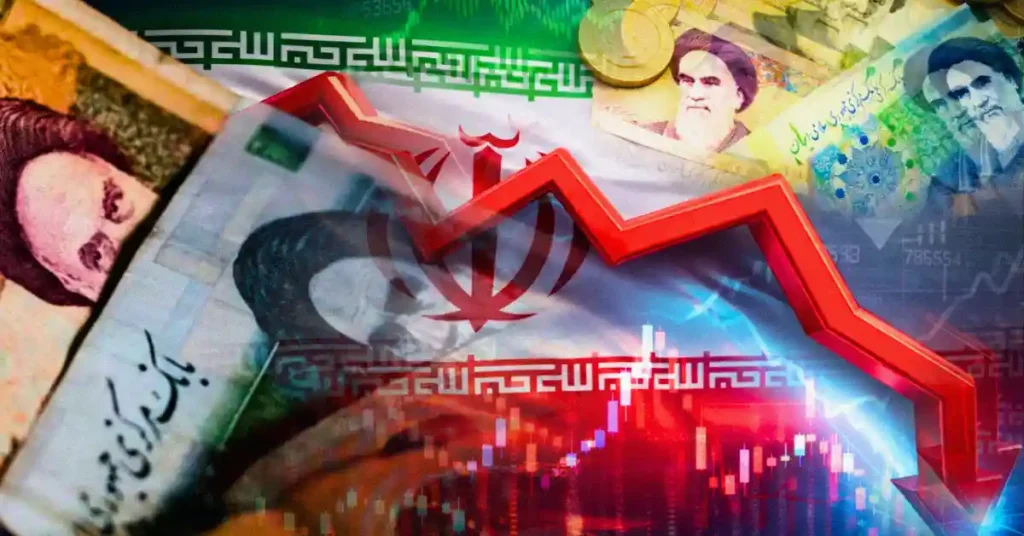
The post How Bitcoin Mining in Iran Can Cost Just $1,320 and Sell for $68,000 appeared first on Coinpedia Fintech News
As Bitcoin mining gets more expensive around the world, one country stands out for the opposite reason: Iran.
In early 2026, the estimated cost to mine one Bitcoin in Iran is around $1,320. At the same time, Bitcoin is trading near $68,000. That huge gap has sparked talk of a possible 50x return compared to production costs. On paper, it makes Iran one of the most profitable places on Earth to mine Bitcoin.
The Reason Is Simple: Electricity.
Bitcoin mining relies on powerful machines called ASICs that solve complex math problems to secure the network and earn block rewards. Electricity is the biggest expense, often making up 80 to 90 percent of total mining costs. In most countries, power prices have surged. In Iran, however, electricity is heavily subsidized by the government. Industrial rates can reportedly fall as low as $0.005 per kilowatt-hour.
Mining one Bitcoin usually consumes between 2,000 and 3,000 megawatt-hours of energy. At Iran’s low rates, that adds up to roughly $1,320 per coin. In comparison, miners in the United States or Europe may spend anywhere from $40,000 to over $100,000 to produce the same Bitcoin, depending on energy prices and efficiency.
Analysts like Money Ape have pointed out that, at current prices, a single mined Bitcoin in Iran could generate more than $66,000 in profit. Bull Theory has also explained how rare it is to see margins like this in today’s mining industry.
But the Story Is Not That Simple.
Iran officially legalized Bitcoin mining in 2019 as a way to earn foreign currency during international sanctions. Licensed miners can operate legally and access subsidized electricity. However, they are required to sell their mined Bitcoin directly to the Central Bank of Iran, which uses it to help pay for imports and bypass global banking restrictions.
At the same time, experts say that up to 90 percent of mining in Iran may happen underground. Illegal miners often connect to residential power lines or unauthorized grid sources to keep costs even lower. While profits can be huge, crackdowns are common, and authorities frequently seize equipment.
There is also a bigger issue. Large-scale mining has put pressure on Iran’s power grid, contributing to blackouts in some cities. The government has responded with raids and temporary shutdowns to stabilize electricity supplies.
Compared to places like Ethiopia, Kazakhstan, or Texas, Iran still has one of the lowest mining costs in 2026. But the opportunity comes with serious risks. For miners, the question is whether massive potential profits are worth regulatory uncertainty, government oversight, and the constant threat of enforcement.
Never Miss a Beat in the Crypto World!
Stay ahead with breaking news, expert analysis, and real-time updates on the latest trends in Bitcoin, altcoins, DeFi, NFTs, and more.
0
0


 Verwalten Sie alle Ihre Kryptowährungen, NFTs und DeFi an einem Ort
Verbinden Sie sicher das Portfolio, das Sie zu Beginn verwenden möchten.


0
0

