
Is there an index for crypto? A practical guide

0
0
Use this article to learn what those methodology documents contain, how common index constructions differ, how to find products that track indices, and which decision factors matter if you consider a crypto index fund. The goal is to give everyday readers clear steps to compare index-based products without technical jargon.
Quick answer: is there an index for crypto?
Short definition, crypto index fund
Yes. Professional crypto indices are published by established index providers and documented with clear rules about which tokens are eligible and how weights are set. The S&P Cryptocurrency indices and Bitwise indices are examples of this approach, and their methodology files explain the rules behind the benchmarks S&P Cryptocurrency Indices methodology.
This short answer means there are formal benchmarks that asset managers and product issuers can license or replicate when they build investment products. Those indices are not speculative lists or opinion pieces, they are rule books for how a benchmark is constructed.
Compare weighting and fee trade-offs when reading an index document
Use this to rank two indices side by side
In the rest of this article we cover what those methodology documents include, two common construction methods, how investors can access index exposure, and practical steps to compare index-based products. Use these sections to learn how a crypto index fund might fit, or not, into your personal finance plan.
What professional crypto indices are and how they work
What an index provider publishes
A professional index is a rules-based benchmark with a published methodology. The methodology lists eligible tokens, explains the weighting scheme, and sets rebalancing rules that determine how the index changes over time. Index providers like S&P Dow Jones Indices and CoinGecko publish these documents so product issuers and investors can inspect the rules Gecko Indices – CoinGecko index documentation.

That documentation is the authoritative source for what the index measures and how it behaves. When an issuer licenses an index, the index’s methodology determines what the issuer aims to track, and the product’s prospectus explains how closely the issuer tries to replicate the index in practice.
Why methodology documents matter
Methodology documents matter because they convert high-level labels into concrete rules. A name like “large-cap crypto index” can mean different things unless you read the inclusion criteria, minimum liquidity thresholds, custody requirements, and rebalancing cadence. Those specifics are typically spelled out in the provider files and are what analysts and product teams use to compare benchmarks Bitwise 10 Large Cap Crypto Index details.
For everyday readers, that means a little reading up front can show how an index will behave in practice. The methodology tells you whether the index tends to concentrate in a few tokens, how often holdings change, and what kinds of tokens are excluded by policy.

How index methodologies are built: the rules that matter
Token eligibility rules
Methodology files set eligibility rules, often including criteria for liquidity, trading history, and custody support. These rules filter which tokens can enter the index and help ensure the index can be implemented by a product issuer without excessive friction. The set of eligibility criteria is a core determinant of the index’s scope and risk profile S&P Cryptocurrency Indices methodology.
Liquidity standards reduce the risk that a product trying to replicate an index faces extreme trading costs when rebalancing. Custody standards address whether tokens can be safely held by a licensed custodian or whether special arrangements are required.
Weighting and rebalancing mechanics
Methodologies also define how weights are assigned and how often the index is rebalanced. Weighting can be market-cap based, equal-weighted, or use other rules such as capped weights. Rebalancing cadence, say monthly or quarterly, sets how often the index updates holdings and therefore how much trading an issuer must do to track the benchmark Bitwise methodology and index details.
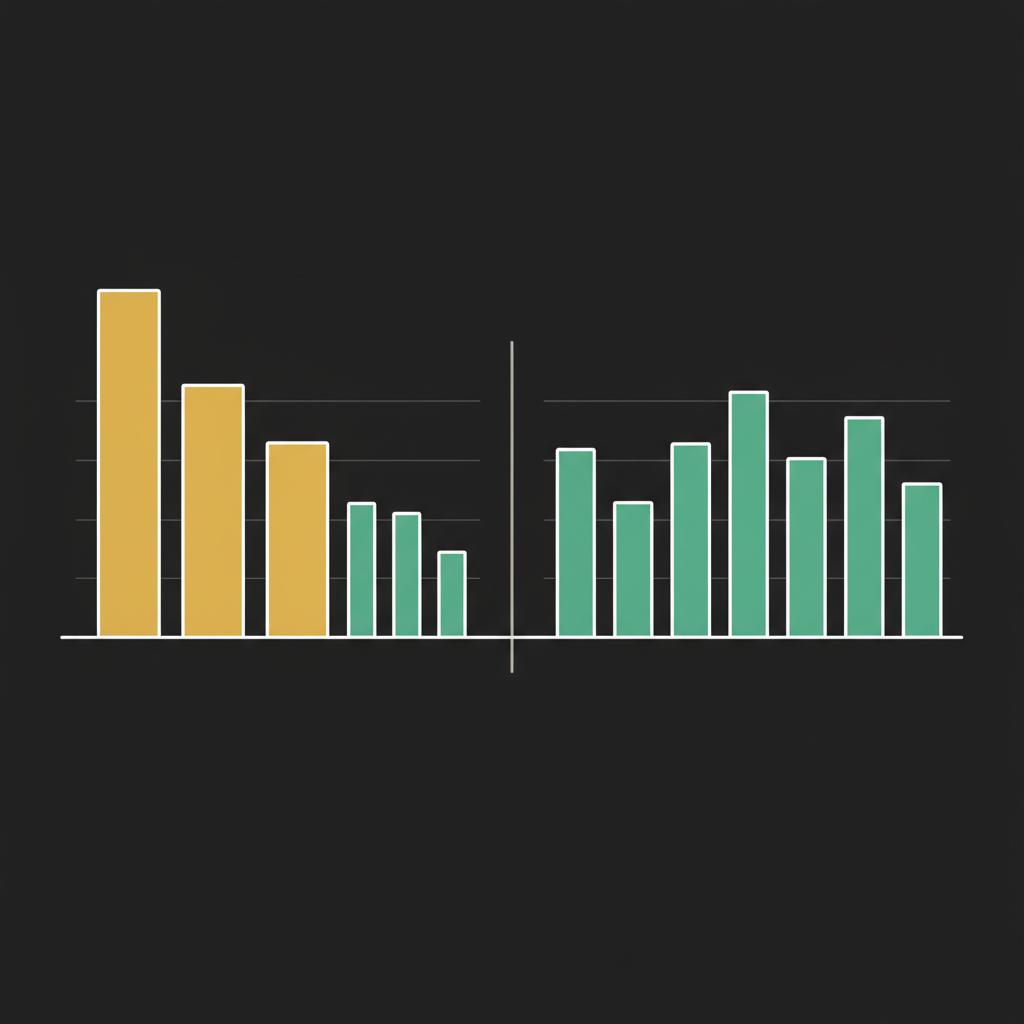
Those two mechanics together shape concentration and turnover. A market-cap weight tends to concentrate exposure in the largest tokens, while equal weighting spreads exposure but usually increases turnover. The methodology’s text explains these trade-offs in plain terms and gives the numerical rules product teams follow.
Partner with FinancePolice to reach everyday personal finance readers
Sign up for a simple checklist and email updates from FinancePolice to help compare index documents and product prospectuses.
Two common construction methods: market-cap weighting and equal weighting
Market-cap weighting: how it concentrates exposure
Market-cap weighting assigns weights based on token market value. This approach tends to give the largest tokens the biggest share of the index. That can reduce turnover, because large weights move less when rebalancing, but it can increase concentration risk when a few tokens dominate market value S&P methodology overview.
From an investor perspective, a market-cap weighted index may track the broad market’s largest players, which can be useful if your goal is exposure to the sector leaders. But concentration means the index’s performance can be heavily tied to a small number of tokens.
Equal weighting: how it raises turnover and diversification
Equal weighting initially assigns similar weights to each index component. This reduces concentration in the largest tokens and increases exposure to smaller components. But it also raises turnover because rebalancing must restore equal shares as prices diverge, which can increase trading costs for funds trying to track the index Bitwise index design notes.
Equal weighting can help diversify away from a handful of large tokens, but investors should weigh that benefit against potentially higher fees and tracking error from more frequent trading.
Representative indices and what they track
Examples of commonly cited indices
Several widely cited indices serve as market references. Representative examples are the Bitwise 10 Large Cap Crypto Index, the S&P Cryptocurrency index series, the Bloomberg Galaxy Crypto Index, and CoinGecko’s GeckoIndices. Each has its own scope and methodology that define which tokens are included and how they are weighted Bloomberg Galaxy Crypto Index product page.
Some indices were created earlier and remain foundational references. Even older indices can be useful benchmarks because product issuers and analysts continue to reference their construction and historical coverage.
Yes, professional crypto indices exist and are documented by major providers; their methodology files define which tokens are eligible and how weights and rebalancing are handled, and investors access these benchmarks through funds, ETFs, ETNs, or trusts.
When you compare index names, check the methodology to see what each benchmark actually tracks before assuming they are interchangeable.
What each index is designed to benchmark
Different indices aim to benchmark different slices of the market. A large-cap index focuses on the most liquid, highest market value tokens. Broader indices may include more tokens but impose minimum liquidity or custody rules. Methodology documents clarify these intentions by listing eligibility and weighting policies CoinGecko GeckoIndices documentation.
Knowing what an index is designed to measure helps you choose a product that aligns with your time horizon and risk tolerance, and it helps you understand why similar product names can mean different exposures in practice.
How investors can access crypto indices: funds, ETFs, ETNs and trusts
Common product wrappers
Investors access index exposure through a range of product wrappers. Common types are index mutual funds, ETFs or ETNs, and exchange-traded trusts that license or replicate an underlying index. Recent approvals and product launches expanded on-ramps, but what is available to retail investors still depends on jurisdiction and regulatory decisions Morningstar overview of spot crypto ETFs.
Each wrapper has different operational and legal features. For example, an ETF typically promises intraday tradability on an exchange, while a closed-end trust may hold a fixed pool of assets and trade at a premium or discount to net asset value.
How licensed indices underpin products
Many exchange-traded products license an index and aim to track it closely. The index’s methodology sets the target exposure, while the product prospectus explains how the issuer implements custody, trading, and fees. That prospectus is where you find the practical details that affect an investor’s experience, such as whether derivatives are used or how custody is arranged CoinShares industry research on crypto indexing.
Before investing in a crypto index product, compare the index methodology and the product prospectus to see how the issuer seeks to track the benchmark and which operational choices might affect returns and risks.
Key factors to evaluate before choosing a crypto index product
Inclusion and eligibility
Check inclusion rules closely. Eligibility criteria like minimum liquidity, trading volume, and custody options determine which tokens appear in the index. These rules can exclude many smaller-cap tokens and stablecoins, and those exclusions materially change the index profile S&P inclusion criteria.
Compare inclusion rules across providers to understand why two similarly named indices might have different compositions and risk exposures.

Weighting, rebalancing, custody, fees, and tracking error
Weighting method sets concentration. Rebalancing cadence affects turnover and trading costs. Custody arrangements influence counterparty risk and operational safety, and fees reduce net returns. Measured tracking error shows how closely a product has followed its target benchmark. These are the key decision factors that show up in methodology and product documents and that materially affect outcomes Bitwise methodology and index notes.
When comparing products, prioritize the elements that matter most for your goals, such as whether you need broad market exposure, lower turnover, or tight tracking to a benchmark.
Typical mistakes and pitfalls to avoid
Confusing index name with product suitability
A common mistake is assuming that index or product names mean the same exposure across providers. Names can be similar while the inclusion rules or weighting methods differ. Always read the index methodology and product prospectus to confirm what you are actually buying CoinGecko index documents.
Another error is overlooking custody arrangements or derivative usage in product implementation. Those operational choices can change risk in ways not obvious from the index name alone.
Ignoring custody and turnover costs
Turnover from frequent rebalancing can raise trading costs and widen tracking error. Custody arrangements also matter because some tokens require specialized custody solutions that can add fees or operational complexity. Look for clear disclosures in the methodology and prospectus that describe custody and any derivative usage Bloomberg Galaxy Crypto Index notes.
Practical checks include verifying whether a product uses a licensed custodian and whether the issuer discloses how it executes rebalancing trades.
Comparing index types: concentration, turnover, and fees
How concentration affects risk
Concentration means a few tokens drive a large share of the index. Market-cap weighting can increase this effect. Higher concentration raises idiosyncratic risk, because the index’s results hinge on the performance of those few tokens. Methodologies that cap weights or use alternative rules can reduce concentration S&P methodology on weighting.
For an everyday investor, concentration can mean more volatile outcomes if one or two tokens experience big moves. Decide whether that profile fits your time horizon and risk tolerance.
How turnover affects costs and tracking
Turnover from rebalancing creates trading costs, and those costs reduce net returns and can increase tracking error. Equal-weighted indices typically see higher turnover than market-cap indexes, which is an important trade-off to consider when evaluating fees and custody arrangements Bitwise index design notes.
Compare historical tracking error and reported turnover in product documents to estimate how fees and trading costs have affected past tracking performance.
Practical scenarios: comparing two index approaches side by side
Scenario A: market-cap weighted large-cap index
Imagine an investor who wants exposure to the largest tokens with lower expected turnover. A market-cap weighted large-cap index typically concentrates in a few high market value tokens, which can lower rebalancing frequency and trading costs. That may suit a longer time horizon where exposure to sector leaders is acceptable Bitwise 10 Large Cap documentation.
Key considerations in this scenario are concentration risk, custody arrangements for the large tokens, and whether the product’s fees are reasonable relative to the expected turnover and tracking error.
Scenario B: equal-weighted broader index
By contrast, an equal-weighted broader index spreads exposure more evenly across components. This reduces concentration but typically increases turnover and trading costs as the index rebalances to restore equal shares. That can lead to higher fees or wider tracking error if the product does not manage trading efficiently S&P methodology context.
An investor with a shorter time horizon or interest in diversified exposure to mid-cap tokens should weigh the benefits of reduced concentration against higher expected costs and operational complexity.
Step-by-step checklist: how to compare a crypto index fund before you invest
Read the methodology and prospectus
1) Read the index methodology to understand inclusion rules, weighting, and rebalancing cadence. 2) Read the product prospectus to see how the issuer implements custody and whether derivatives are used. 3) Compare fees and reported tracking error. Use primary sources to verify details rather than relying on press summaries or product names Morningstar ETF overview.
Other checklist items include confirming jurisdictional availability and understanding tax implications. Treat expected outcomes as variable and dependent on market conditions and product execution.
How to read an index provider methodology document
Where to find inclusion and weighting rules
Start with the sections titled eligibility criteria, weighting rules, and rebalancing schedule. Those sections typically list data sources and numerical thresholds that define which tokens are included and how weights are calculated. Providers often include examples or appendix tables that illustrate the process CoinGecko methodology pages.
Check for clear definitions of data sources and look for historical examples that show how rebalancing was applied. That helps you understand how the methodology works in practice, not just in theory.
Red flags and clarity checks
Watch for vague custody descriptions, undisclosed derivative usage, or unclear liquidity thresholds. These are red flags because they make it hard to predict how a product will behave or what risks are being taken on behalf of investors S&P methodology checklist.
If you find unclear language, seek the product prospectus or contact the issuer for clarification before assuming implementation matches the index rules.
Conclusion: how to use indices in your personal finance plan
Key takeaways
Professional crypto indices do exist and are documented by major providers. Methodology documents define eligibility, weighting, and rebalancing, and those rules are the primary drivers of index behavior and risk. Compare methodology files and product prospectuses to understand custody, fees, and tracking before choosing a crypto index fund S&P methodology reference.
Remaining open questions in the market include inconsistent inclusion standards for smaller tokens and stablecoins, and variable transparency on custody and derivative use. These are areas to watch as products and regulations evolve.
Next steps and further reading
For practical next steps, read the index methodology and the product prospectus for any index product you consider. Use the simple checklist earlier in this article to compare weighting, fees, and custody. Consider how concentration, turnover, and fees fit with your time horizon and risk tolerance.
If you want a short summary or to compare two indices side by side, use the checklist tool and the product documentation as your primary sources.
A crypto index fund is an investment product that aims to track a published crypto index, using the index's methodology to set which tokens are held and the target weights.
Read the index methodology to find eligibility criteria and the index's current constituent list, and check the product prospectus for implementation details.
No, indices vary by inclusion rules, weighting method, rebalancing cadence, custody, and fees, so review methodology and product documents to see the differences.
FinancePolice provides educational resources to help you read those documents. Use the checklist and the tool in this article as a starting point, and consider consulting a licensed advisor if you need personalized guidance.
References
- https://www.spglobal.com/spdji/en/documents/methodologies/methodology-sp-cryptocurrency-indices.pdf
- https://www.coingecko.com/en/gecko-indices
- https://www.bitwiseinvestments.com/indices/bitwise-10-large-cap-crypto-index
- https://www.spglobal.com/spdji/en/documents/methodologies/methodology-sp-digital-assets-indices.pdf
- https://www.indexologyblog.com/2025/09/23/cryptos-resurgence/
- https://bitcoinmagazine.com/markets/sp-expands-into-crypto-with-new-multi-asset-index
- https://www.bloomberg.com/professional/product/indices/bloomberg-galaxy-crypto-index/
- https://www.morningstar.com/articles/2024/10/05/how-bitcoin-etfs-work
- https://coinshares.com/research/crypto-indexing-benchmarks-2024
- https://financepolice.com/advertise/
- https://financepolice.com/category/crypto/
- https://financepolice.com/strategies-to-reduce-risk-in-cryptocurrency-investments-through-diversification-in-2025/
- https://financepolice.com/category/personal-finance/
0
0

 Manage all your crypto, NFT and DeFi from one place
Securely connect the portfolio you’re using to start.


0
0


0
0