
CoW Swap DNS Attack Enters Day Two as Domain Remains Locked
0
0
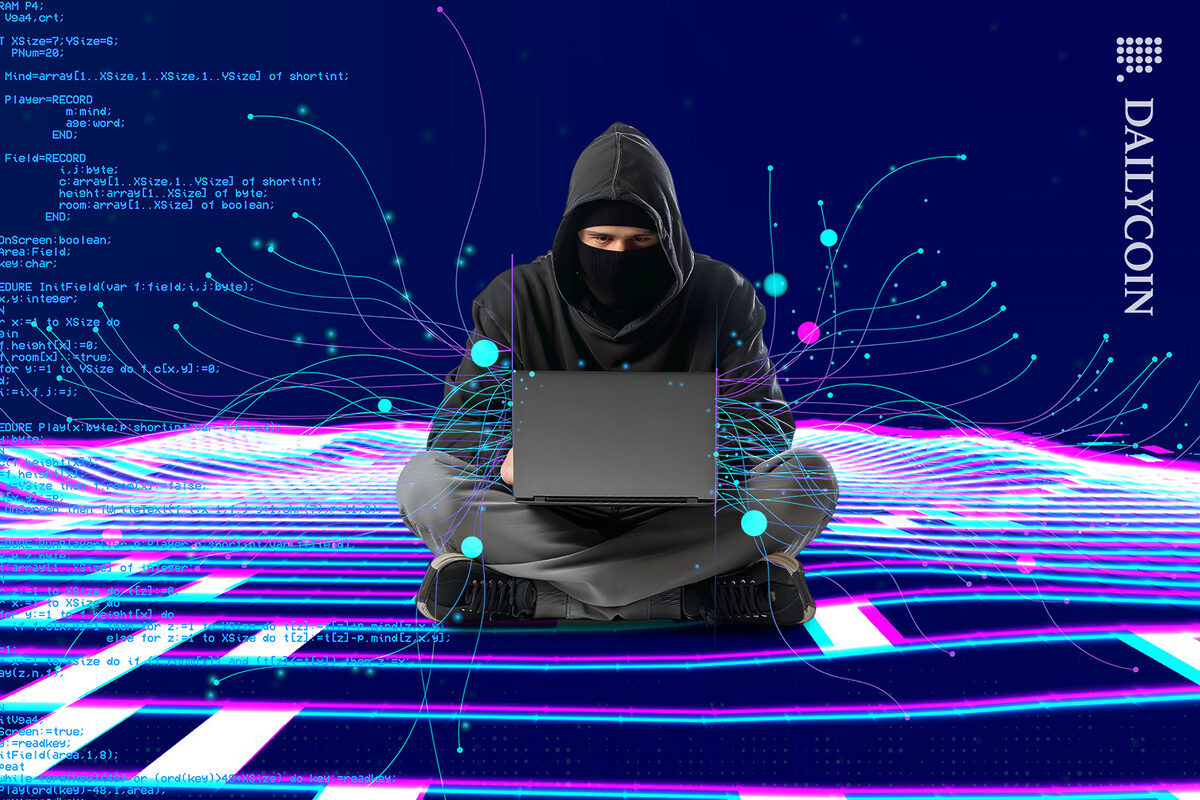
The CoW Swap DNS attack entered its second day on April 15, with the protocol’s primary domain still locked following the exploit.
Users remain unable to access the official interface at swap.cow.fi after attackers redirected traffic to a phishing frontend. The ongoing disruption highlights unresolved risks around frontend security in decentralized finance.
CoW Swap confirmed on April 14 that its domain name system (DNS) had been compromised, redirecting users from its official interface to a malicious site designed to capture wallet approvals. The phishing frontend mimicked the legitimate platform, exposing users who signed transactions to potential fund loss.
The protocol emphasized that its underlying smart contracts were not affected. However, as a precaution, CoW Swap paused its backend services and APIs to limit further exposure.
As of April 15, the team stated that the swap.cow.fi domain remains locked and inaccessible. A temporary interface has been deployed at swap.cow.finance, which users are advised to verify through official channels before interacting.
CoW DAO shared updates via its official X account, confirming that mitigation efforts are ongoing and the incident remains under investigation.
Frontend and DNS-layer attacks have become a recurring vector in DeFi exploits. Similar incidents have affected protocols such as Curve Finance and Balancer, where attackers compromised domain infrastructure rather than on-chain code.
These attacks exploit dependencies on centralized web infrastructure, including domain registrars and DNS providers. While smart contracts remain secure, user-facing interfaces continue to present a critical attack surface.
Initial market reaction to the incident was limited. The CoW token saw a modest 3% decline following the announcement.
The CoW Swap incident reinforces a structural challenge in DeFi: the mismatch between decentralized execution and centralized access points. Protocols may operate securely on-chain, but user interaction still depends on Web2 infrastructure vulnerable to hijacking.
Compared to earlier incidents, the prolonged domain lock and need for a temporary interface underscore operational risks beyond immediate fund loss. Extended downtime can disrupt liquidity aggregation, reduce trading activity, and affect integrations relying on CoW Swap routing.
Discover DailyCoin’s trending crypto scoops now:
X Cahstags Rolls Out in US and Canada. What Changes for Traders?
Tether Launches Self-Custodial Wallet – Can It Expand Direct USDT Usage?
0
0
 Manage all your crypto, NFT and DeFi from one place
Securely connect the portfolio you’re using to start.