
Fed’s $8 Billion Liquidity Jolt Sparks Fresh Case For Scarce Assets

0
0
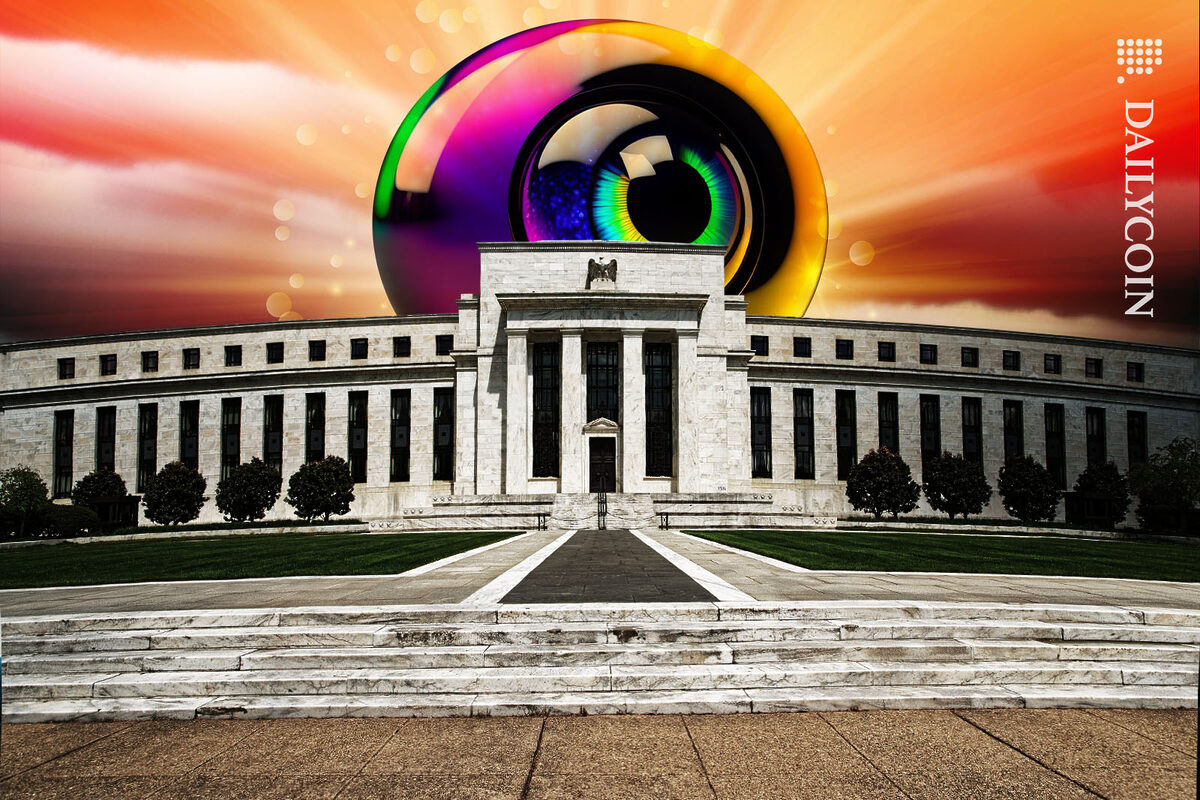
The analyst describes the banking system as a network of pipes and the Fed as the water pump. When “pressure drops,” the Fed steps in. In this case, it did so via a repo operation: buying short-term U.S. Treasury bills from banks in exchange for cash, with the understanding those securities will be bought back soon.
On paper, this is temporary.
In practice, Dr. Stevenson argues it’s a tell. “You don’t just pump eight billion into a system that is running perfectly fine,” they note, adding that when private banks are healthy, they lend to each other without Fed support. A spike in repo volumes is the system “raising its hand and asking for help,” even as official statements label it a routine operation.
The YouTube video ties the Fed’s move to broader stresses. Rising oil prices tied to Middle East tensions push up inflation expectations.
Higher expected inflation reduces the odds of imminent rate cuts, keeping borrowing costs elevated and pressuring credit markets. That backdrop, the analyst suggests, makes the liquidity injection less of an isolated tweak and more of a symptom.
At the same time, the U.S. government has been buying back its own bonds, which the host interprets as evidence that natural demand for Treasuries is weakening: “They are propping up their own debt market. You do not do that from a position of confidence.”
Gold’s recent record highs and the claim that central banks now hold more gold than Treasuries are presented as further signs that institutional trust is drifting away from dollar-denominated debt.
For crypto investors, the key link is scarcity. More liquidity means more dollars circulating, and “more supply of anything means each unit is worth less,” the analyst says. That nudges capital toward assets that cannot be diluted — namely physical gold and fixed-supply cryptocurrencies.
XRP is highlighted as an example: it has a capped maximum supply, and each transaction permanently burns a small amount, making its supply structurally deflationary over time.
That design, Kamilah Stevenson argues, is “architecture,” not marketing — and becomes more attractive “in an environment where the monetary system is literally injecting billions to stay functional.” Other named assets include HBAR, XLM, SHX, and QNT, all framed as parts of a “next financial system” being built parallel to legacy rails.
She also stresses where these assets are held. They point out that keeping XRP and similar tokens in a standard taxable brokerage could leave investors facing heavy tax bills if prices move sharply higher from today’s levels.
She describes using a Roth IRA structure via a specialized provider to hold both crypto and precious metals, emphasizing tax-free growth and institutional-grade custody, and positioning it as “intentional wealth architecture” rather than simple speculation.
Discover DailyCoin's hottest crypto scoops today:
SWIFT’s On-Chain Pivot Merges Tokenization & XRP Ledger
Binance Sets Up New LUNC Burn Portal: Can Price Bounce?
0
0
 Manage all your crypto, NFT and DeFi from one place
Securely connect the portfolio you’re using to start.