
From Meme Coin to Lawsuits: The One-Year Unraveling Of Justin Sun And Trump

0
0
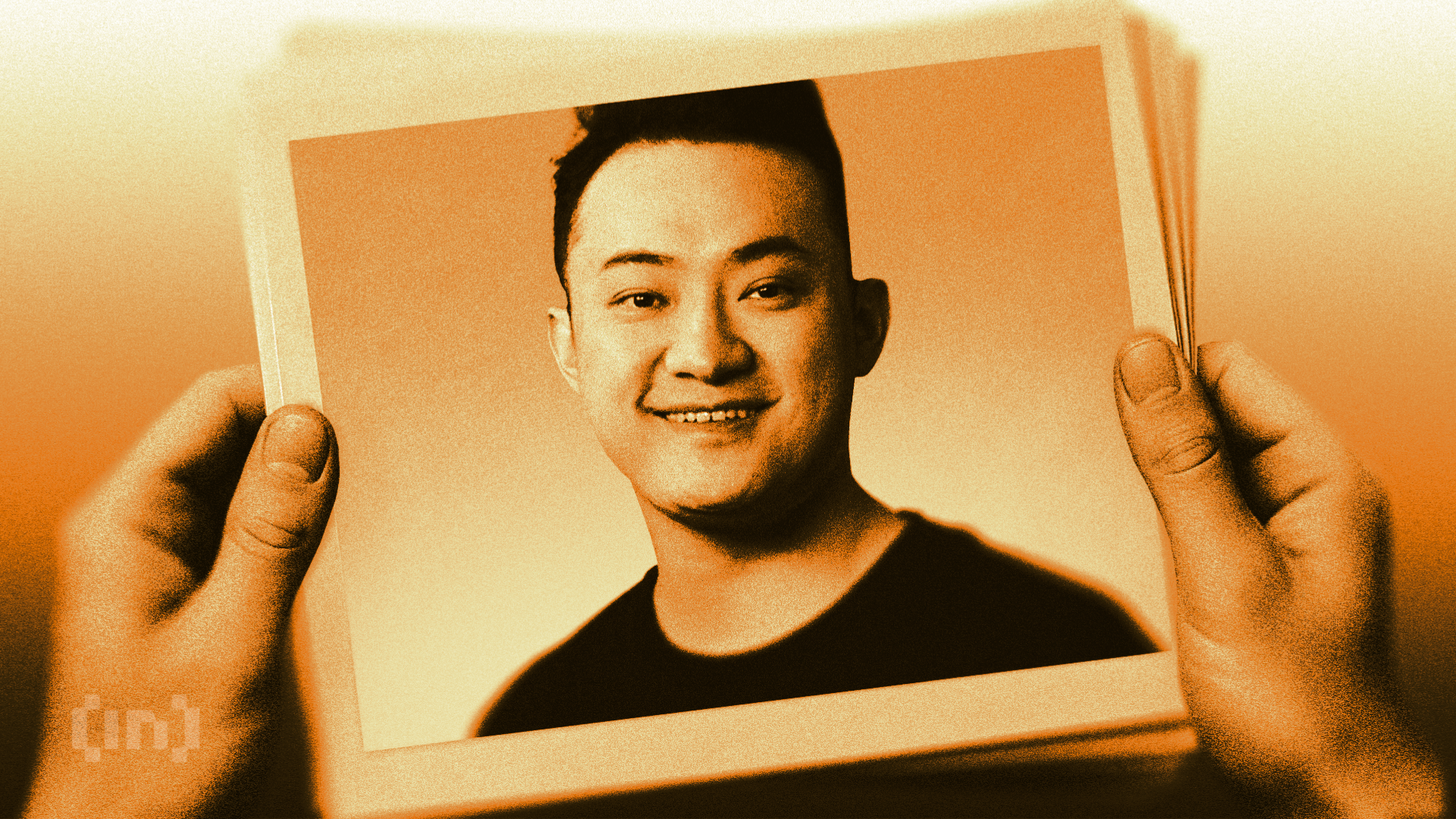
Justin Sun arrived as the savior of World Liberty Financial (WLFI) in late 2024, injecting enough money to keep the Trump family’s nascent crypto project alive. Within months, he had also become the most prominent guest at the president’s first exclusive meme coin gala. Now, the relationship has collapsed.
The Chinese-born crypto billionaire is accusing the WLFI team of freezing his tokens and stripping him of his voting rights, and has taken the dispute to federal court. The man who was once Trump’s biggest crypto believer is now his most prominent accuser.
A Conspicuous Absence At The Gala
This year’s TRUMP meme coin gala came and went without Justin Sun. Twelve months earlier, he had been its defining guest.
Sun’s name sat atop the official rankings poster. By the end of the night, he had walked away with a golden watch and posted the entire event on social media.
This time around, in place of Sun’s attendance came a lawsuit against WLFI.
Filed in a San Francisco federal court, Sun’s complaint accuses the Trump family-backed crypto venture of running an illegal scheme to seize his tokens, strip his governance rights, and ultimately destroy his holdings entirely through a process known as “burning.” The charges include breach of contract, fraud, and conversion.
The Trump family’s venture has fired back, calling the allegations baseless and accusing Sun of playing the victim to cover up his own misconduct.
WLFI co-founder Eric Trump compared the lawsuit to paying millions for a banana duct-taped to a wall, making a pointed jab at one of Sun’s more eccentric purchases.
Beyond the lawsuit’s fine print, the dispute represents the public unraveling of one of crypto’s most high-profile political allegiances.
Before It All Went Wrong
When Trump announced WLFI in September 2024, the project struggled to gain traction from the start.
The token sale launched in October with an ambitious $300 million target, but its non-transferable tokens, accessible only to a narrow slice of investors, were generating little excitement and even less money.
Then, Sun stepped in, confirming he had purchased $30 million worth of tokens. The sum pushed the project past the revenue threshold at which Trump’s company would begin turning a profit.
The TRON founder was named an advisor to the project shortly after.
“The US is becoming the blockchain hub, and Bitcoin owes it to Donald Trump,” he wrote on X at the time. “TRON is committed to making America great again.”
Sun’s investments didn’t stop there. In January 2025, he invested an additional $45 million, bringing his total stake in WLFI to $75 million.
For a time, the alliance looked like a genuine meeting of interests. Sun got proximity to the most powerful political brand in crypto. Meanwhile, the Trumps got a backer at a moment when they needed one most.
The Sun-Trump relationship reached its most visible peak last May, when 220 of the top holders of the president’s personal TRUMP meme coin gathered for a black-tie dinner at US President Donald Trump’s golf club in Virginia.
Besides being in attendance, Sun was the guest of honor. His name sat at the very top of the official leadership board displayed at the event, reflecting the largest individual investment among those present.
Weeks later, he pledged to invest an additional $100 million into the TRUMP meme coin, declaring that “TRUMP and TRON are the future of crypto.”
Running parallel to the celebrations was a federal fraud case against Sun that was quietly moving toward a resolution.
The Investigation That Lost Its Urgency
In 2023, the US Securities and Exchange Commission (SEC) had accused Sun of orchestrating hundreds of thousands of fake trades to artificially inflate the price of a cryptocurrency on his platform, reaping nearly $32 million in profits in the process.
The agency also alleged he had paid celebrities to promote the token while disguising the endorsements as organic.
The case was paused weeks after Trump’s inauguration, with Sun and the SEC’s lawyers jointly asking the presiding judge to halt proceedings while they explored a settlement.
Last month, the agency agreed to resolve the suit. Sun paid a $10 million penalty– a fraction of the nearly $32 million in profits he was alleged to have made.
The timing didn’t go unnoticed. Senator Elizabeth Warren was blunt in her assessment.
“Justin Sun poured $90 million into Trump’s crypto ventures, and today the SEC agreed to drop its case against him,” she said. “The SEC should not be a lap dog for Trump’s billionaire buddies.”
The arrangement seemed to represent the culmination of everything the Sun-Trump relationship had promised. What followed was the opposite.
The Relationship Ends In Court
Sun’s lawsuit against WLFI wasn’t entirely without warning. Last September, WLFI quietly blacklisted Sun’s wallet, painting the move as a routine security measure.
Earlier this month, the tension escalated with Sun publicly alleging that WLFI had embedded a “backdoor blacklisting function” that gave it the power to freeze, restrict, or confiscate the holdings of any token holder.
WLFI’s response was to challenge him to take it to court. So Sun did.
But the most revealing detail in Sun’s lawsuit was who he accused. Instead of aiming allegations at Trump, he blamed “certain individuals” on the WLFI team, singling out co-founder Chase Herro.
He insisted the president himself would never have condoned what happened.
“All I want is to be treated the same as every other early investor,” he wrote.
Even in open litigation against the Trump family’s venture, Sun could not quite bring himself to implicate the man at the top.
Whether that restraint was sincere or simply strategic, a federal court will now have to sort out, along with the broader question of what the Sun-Trump relationship was ever really built on.
0
0


 Gérez tous vos cryptos, NFT et DeFi à partir d'un seul endroit.
Connectez de manière sécurisée le portefeuille que vous utilisez pour commencer.

0
0


0
0

0
0