
401k Crypto Fight: Why Retirement Money Became Bitcoin’s New Political Battleground

0
0
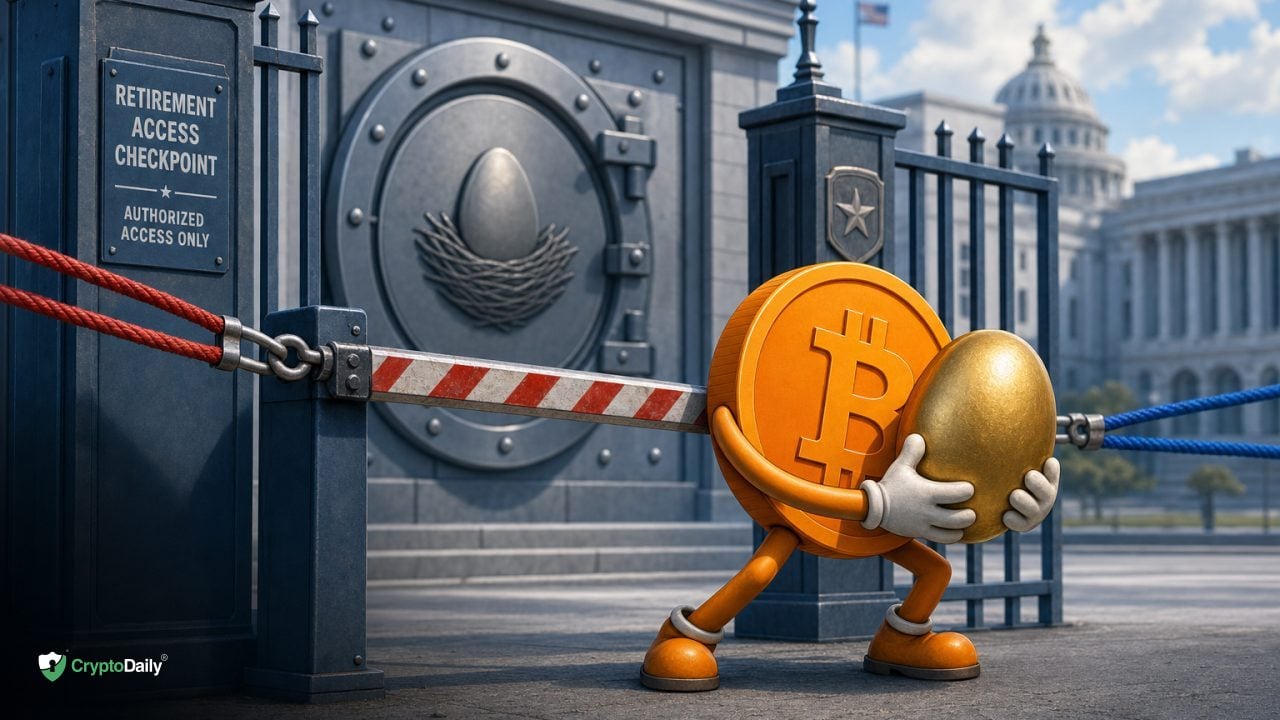
Retirement money is supposed to be boring. You set a percentage, watch a target date fund do its thing, and try not to think about it too much. Then Bitcoin walked in, and suddenly the 401(k) aisle looks like a campaign stop.
In Washington, a short rule proposal from the Department of Labor has turned into a proxy fight over whether retirement plans should ever touch alternative assets like private funds and digital assets. The letters are flying, asset managers are weighing in, and regular savers are left wondering if their nest egg is about to get experimental.
Here is what actually changed, why the politics went red hot so fast, and what sponsors and participants can do right now while the dust settles.
Point Details DOL proposal is the spark A pending rule on how fiduciaries select designated investment alternatives opened the door to debates on alternatives and crypto in 401(k)s. Political pushback surged Senators Bernie Sanders, Elizabeth Warren, and Rep. Bobby Scott urged the DOL to rescind the proposal, citing investor-protection risks (Office of Democrats on the House Committee on Education & Workforce (PDF)). Public interest is massive Over 33,000 comments landed by the close of the period, reflecting deep concern and lobbying on all sides (Reuters). Institutional voices diverge Vanguard called for clarity and participant-focused analysis in a formal comment, signaling caution (Vanguard). More lawmakers are weighing in Rep. Maxine Waters urged the DOL to withdraw the proposal, warning it could funnel savings into private markets and digital assets before guardrails exist (U.S. House Financial Services Committee Democrats).
How 401(k)s ended up in the crypto crossfire
Most people do not read DOL rule books for fun, but a few words in a proposal can change how trillions are invested. The Department of Labor’s draft on fiduciary duties for selecting designated investment alternatives sparked a very specific worry for consumer advocates. If the rule is read as a green light for alternatives, it could be used to justify slots for things like private credit, hedge funds, and yes, digital-asset products inside mainstream 401(k) menus.
The blowback came fast. A bicameral letter led by Senators Bernie Sanders and Elizabeth Warren and Rep. Bobby Scott urged the DOL to rescind the proposal, arguing it would strip investor protections and expose savers to risky alternatives. Their letter reads like a line-by-line warning label for retirement menus that drift into exotic territory (Office of Democrats on the House Committee on Education & Workforce (PDF)).
The public piled on. By the final day of comments, more than 33,000 submissions had landed, according to coverage of the docket activity (Reuters). That number is not normal for this kind of rulemaking. It signals the issue crossed from industry niche to political talking point.
Asset managers are not a monolith either. Vanguard’s five-page comment asked for clarity and a participant-first lens, which is temperate language that still reads as a yellow light for pushing alternatives into core menus (Vanguard). And later in June, Rep. Maxine Waters urged the DOL to withdraw the proposal entirely, warning specifically about private markets and digital assets entering retirement plans before adequate guardrails are in place (U.S. House Financial Services Committee Democrats).
That is the political setup. At the center is a simple, charged question: should the average worker’s retirement lineup offer anything as volatile and novel as Bitcoin?
What the DOL proposal tries to change
Let’s separate the text from the noise. The proposal deals with fiduciaries selecting designated investment alternatives in a plan. Those are the funds you see on the main menu, including any default options.
What the rule aims to clarify
It tries to outline how fiduciaries document prudence when selecting and monitoring these options. Think factors like fees, liquidity, transparency, valuation methods, operational controls, and suitability for the plan’s participants.
Why alternatives are in the conversation
Because the wording could be read as widening the door to strategies beyond traditional mutual funds and index ETFs. That includes private equity, private credit, hedge-style strategies, and digital-asset related products. Once that interpretation appeared, the crypto question was inevitable.
What it does not do
It does not mandate crypto exposure. It does not create a safe harbor for any specific asset class. It does not override ERISA’s duty of prudence or loyalty. Even if the proposal went final as written, plan fiduciaries would still need a rigorous, participant-centered rationale to include any nontraditional option.
Where Bitcoin realistically fits
If crypto shows up at all, it is most likely via regulated exchange-traded products that hold Bitcoin. Those live inside brokerage and custody rails retirement platforms already understand. Direct token custody in a 401(k) lineup is far less likely near term, given operational, valuation, and compliance headaches.
The politics: consumer protection vs access to growth
Both sides can make a straight-faced case.
Consumer-protection voices say retirement menus are not venture portfolios. They point to high volatility, thin liquidity in parts of the market, complex valuation, and headline risk. They worry about confusing savers with products that behave in ways the default target date fund cannot absorb, especially during stress. That is reflected in the Sanders–Warren–Scott letter and in Rep. Waters’ statement, which frame the proposal as a pipeline from paychecks to risky markets before rules and supervision are ready (House Education & Workforce Democrats; House Financial Services Committee Democrats).
On the other side, proponents of broader menus argue that retirement savers deserve diversified options, not just the same three index funds forever. They note that regulated products, better custody, and improved market structure for Bitcoin have changed the risk profile from the wild early days. They also point out that access does not mean default. A satellite sleeve for willing, informed participants is different from shoving crypto into target date funds.
Asset managers, for their part, are threading a needle. They see demand for new exposures and fee competition in the core menu, but they also know the litigation risk if an exotic option blows up. Hence the calls for clarity and participant-focused analysis from firms like Vanguard (Vanguard).
Where Bitcoin actually fits in a retirement lineup
Let’s be practical. If Bitcoin appears in a 401(k), it likely sits as an elective, non-default option, maybe alongside commodities or real assets funds. It would not be in the plan’s QDIA by default unless regulators and case law shift dramatically.
What investors need to know:
- Volatility is structurally higher. Bitcoin can swing more in a week than an S&P 500 fund does in a year. That is not a moral judgment, just a historical pattern.
- Correlation changes. At times, Bitcoin trades like a high-beta tech proxy, then suddenly behaves like its own thing. Do not assume it will hedge equities when you need it to.
- Product structure matters. A spot Bitcoin ETF wraps custody, pricing, and market access inside a regulated shell, which is very different from holding tokens directly. Fees, spreads, and tracking can still bite.
- Sizing should be conservative. In a retirement context, a small satellite allocation, if any, is the realistic approach. Think position sizes that will not derail your plan if it cuts in half.
- Education is not optional. If a menu adds Bitcoin exposure, the plan will need plain-English materials, not decks full of jargon.
Pro tip: If your plan one day adds a Bitcoin ETF, treat it like hot sauce. Some folks love a little. Nobody pours it into their cereal.
A practical checklist for plan sponsors
ERISA fiduciaries are graded on prudence, process, and documentation. If your committee is even discussing digital assets in the lineup, here is a tight checklist to work through with counsel and your investment consultant.
- Update your IPS. Spell out how nontraditional assets are evaluated, approved, monitored, and removed. Name the factors, not just the vibe.
- Define “designated” vs “brokerage window.” If access is through a self-directed window, document why that is more appropriate than a core menu slot.
- Diligence the wrapper. For ETFs, review custody arrangements, authorized participants, creation/redemption plumbing, pricing sources, and fair-valuation policies during market stress.
- Stress test scenarios. Model 50 to 80 percent drawdowns, liquidity gaps, and trading halts. Make sure participant tools can show the impact on retirement income projections.
- Fee reasonableness. Compare total cost of ownership, including fund fee, trading spreads, custodial charges, and recordkeeping add-ons.
- Communications plan. Prepare short, plain-language explainer pieces. Explain risks before performance chases people in.
- Operational controls. Confirm recordkeeper capability for order cutoffs, trade windows, valuation timing, and participant restrictions if needed.
- Legal review. Align with current DOL guidance and your plan’s risk tolerance. Track the final form of the proposal and any subsequent field assistance bulletins.
- Exit criteria. Predefine what triggers watch-list status and removal. No one wants to invent policy during a crash.
Risks, traps, and behavioral headaches
It is not just market volatility. The messy parts show up in operations, behavior, and litigation risk.
- Mislabeling and suitability: A Bitcoin product slotted under “alternative strategies” could confuse participants who do not read the fine print. Clear labeling matters.
- QDIA creep: A managed account program that quietly adds crypto exposure could look like a backdoor default. That will raise eyebrows with regulators and plaintiffs’ firms.
- Education gaps: Performance-chasing after a rally is a classic behavioral pitfall. Plan communication must show drawdowns, not just long-term charts.
- Vendor risk: Few recordkeepers have mature playbooks for crypto exposures. Test the pipes. Simulate a big market move and watch the reconciliation process.
- Conflicts and revenue sharing: If any part of the economics looks like a kickback, expect trouble. Keep the lineup clean and defensible.
- Cyber and custody: Even in ETFs, custody concentration is a talking point. Review SOC reports, insurance, and incident response.
Behavioral risk is the silent killer in retirement plans. Clear defaults helped fix it for core investing. Exotic add-ons can reintroduce the problem if education and sizing are sloppy.
Signals to watch in H2 2026
This story is moving. A few markers will tell you which way it breaks.
- DOL’s next move: Watch for how the Department of Labor addresses the flood of comments, including the Sanders–Warren–Scott letter urging rescission and Rep. Waters’ request to withdraw. The tone of any revised draft or guidance will set the ceiling on how bold plan menus can get (House Education & Workforce Democrats; House Financial Services Committee Democrats).
- Industry comment synthesis: Large providers like Vanguard asked for participant-first clarity. If the final rule codifies stricter documentation for alternatives, many committees will pause or limit exposure (Vanguard).
- Public sentiment metrics: The unusual volume of comments, more than 33,000, is a tell. If lawmakers keep citing that public pushback, political risk will stay elevated for any plan daring to add crypto (Reuters).
- Litigation temperature: Lawsuits against plan sponsors over fees and fund selection are already common. Add a volatile asset and the bar for prudent process goes even higher.
- Platform readiness: Recordkeepers and custodians will either quietly gear up for crypto wrappers or step back. Their readiness, or lack of it, will dictate feasibility more than headlines will.
If crypto lands in your plan: a participant’s playbook
Participants will not control policy, but they do control their allocation. If a Bitcoin ETF or similar product appears in your menu, consider this simple approach.
- Decide your why. Hedge, return-seeking, or curiosity tax? If you cannot say it in one sentence, do not touch it.
- Cap your size. For many, a small single-digit percentage, if any, is the only sensible range. Enough to matter if it works, not enough to wreck your plan if it drops hard.
- Use rebalancing rules. Set a target and drift band so you do not chase price. Automate if your platform allows it.
- Know the fees. Check the fund expense, the spread, and any account-level charges. Those nickels add up over decades.
- Respect volatility. You will see big green days and ugly red days. That is the deal. If it wrecks your sleep, your sizing is wrong.
- Keep the core intact. Your target date or index core is still doing the heavy lifting. Do not dismantle it to fund a side bet.
Who wins, who loses if crypto enters 401(k)s?
There is no clean scoreboard, but a simple map helps.
Stakeholder Potential Upside Main Concerns Participants More choice, potential diversification and return enhancement in small doses Volatility, behavioral mistakes, higher fees, confusing product labels Plan sponsors Menu modernization for those with expressed participant demand ERISA litigation, documentation burden, communications risk, vendor readiness Asset managers New distribution channel for Bitcoin ETFs and alternative strategies Reputational risk, pricing during stress, scrutiny on fees and tracking Regulators Chance to set guardrails and modernize guidance Optics of losses for retail savers, enforcement challenges, political heat
What to do while the rule is unresolved
Most committees will wait for the DOL’s next move. That does not mean you sit still.
- Run tabletop exercises. Simulate adding a Bitcoin ETF, then pull it. See how your processes hold up.
- Audit participant communications. Are your risk disclosures short, specific, and readable at a ninth-grade level?
- Inventory vendor capabilities. Ask your recordkeeper precise questions about order processing, settlement timing, and blackout procedures.
- Benchmark costs. If crypto is ever added, you will need a paper trail showing why total cost of ownership is reasonable.
- Monitor public comments and guidance. The volume of feedback and high-profile letters from lawmakers suggest the final rule could tighten, not loosen, leeway.
For ongoing coverage and level-headed breakdowns of policy and market structure, you can always check Crypto Daily at cryptodaily.co.uk. We track the regulatory breadcrumbs so you can focus on the decisions that matter.
Frequently Asked Questions
Is the DOL about to force Bitcoin into my 401(k)?
No. The proposal does not mandate crypto or any alternative asset. It focuses on how fiduciaries document prudence when selecting designated investment alternatives. Any crypto option, if it ever appears, would be an elective choice, not a default.
Why are lawmakers so alarmed if nothing is mandated?
They worry the text could be interpreted as a green light that normalizes alternatives in retirement menus. Several lawmakers asked the DOL to rescind or withdraw the proposal because they believe investor protections are not ready for private markets and digital assets.
Could a spot Bitcoin ETF end up on a 401(k) menu?
It is possible at some plans, most likely as a non-default satellite option. The gating items are fiduciary documentation, vendor readiness, fee reasonableness, and clear participant communications. Many sponsors will wait for final DOL guidance before moving.
What are the biggest risks for plan sponsors?
Litigation risk if performance turns south, operational risk if the recordkeeper stumbles during volatility, and communications risk if participants misunderstand what they are buying. Documentation and a crisp IPS are your first lines of defense.
How should an individual size a crypto allocation in a retirement account?
Cautiously, if at all. For most, a small single-digit percentage, paired with strict rebalancing, is the upper bound. If you cannot tolerate big drawdowns without panicking, you are probably sizing it too large.
What if I already have crypto exposure outside my 401(k)?
View everything as one household portfolio. If you hold crypto elsewhere, you may not need any inside the 401(k). Avoid doubling up just because a new option appears on the menu.
Will politics keep crypto out of retirement plans entirely?
Politics will shape the pace and the framing, but technology and investor demand will keep the topic alive. Expect slow, cautious experimentation at some plans and a long runway of guidance, not a sudden pivot.
Disclaimer: This article is provided for informational purposes only. It is not offered or intended to be used as legal, tax, investment, financial, or other advice.
0
0

 한 곳에서 모든 암호화폐, NFT 및 DeFi 를 관리하세요
시작하는 데 사용하는 포트폴리오를 안전하게 연결하세요.


0
0