
Crypto Fear & Greed Index Plummets to Alarming 12 as Extreme Fear Grips Digital Asset Markets

0
0
BitcoinWorld

Crypto Fear & Greed Index Plummets to Alarming 12 as Extreme Fear Grips Digital Asset Markets
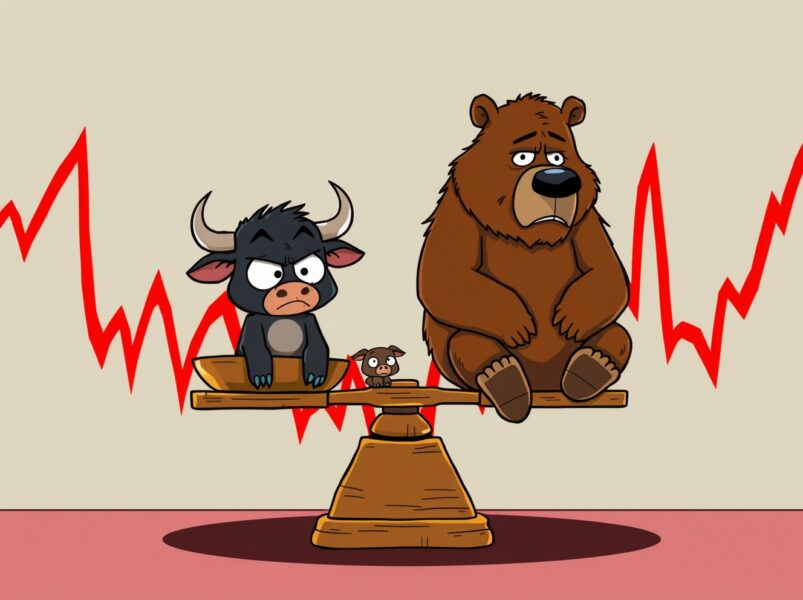
Global cryptocurrency markets entered a profound state of apprehension this week as the benchmark Crypto Fear & Greed Index plummeted to a startling score of 12, firmly cementing investor sentiment in the ‘Extreme Fear’ zone. This critical drop, recorded on April 10, 2025, represents one of the most pessimistic readings since the bear market lows of late 2022 and signals deep-seated anxiety across digital asset portfolios worldwide. Market analysts immediately scrutinized the multi-factor data behind this sentiment collapse, searching for clues about the market’s next directional move.
Decoding the Crypto Fear & Greed Index Plunge
The Crypto Fear & Greed Index, a proprietary metric developed by data provider Alternative.me, serves as a crucial barometer for market psychology. Consequently, a score of 12 sits just 12 points from the absolute zero of ‘Maximum Fear.’ The index’s calculation relies on a sophisticated, weighted blend of six market variables, each offering a distinct lens on trader behavior. For instance, market volatility and trading volume each contribute 25% to the final score, reflecting the raw mechanics of price action and capital flow.
Simultaneously, social metrics provide a window into the collective mood. Specifically, social media sentiment and survey data each account for 15% of the index, capturing the narrative and expectations swirling around assets like Bitcoin and Ethereum. Finally, Bitcoin’s dominance (10%) and Google Trends search volume (10%) round out the model, indicating whether investors are fleeing to the relative safety of Bitcoin or frantically searching for information during a downturn.
The following table illustrates the index’s composition and the typical market conditions associated with each component during periods of fear:
| Component | Weight | Manifestation in ‘Extreme Fear’ |
|---|---|---|
| Volatility | 25% | Sharp, unpredictable price swings, often downward. |
| Market Volume | 25% | Elevated selling volume, often on exchanges. |
| Social Media | 15% | Negative sentiment, fear-driven discussions. |
| Surveys | 15% | Pessimistic outlooks from retail and institutional polls. |
| BTC Dominance | 10% | Rising as capital exits altcoins for Bitcoin. |
| Search Trends | 10% | Spikes in searches for “crypto crash” or “bear market.” |
Historical Context and Market Parallels
Examining the current reading through a historical lens reveals its significant weight. The index has only breached the 15 level on a handful of consequential occasions. Notably, it hovered between 6 and 11 for extended periods during the crypto winter of 2022-2023, which coincided with the collapse of several major industry players. Furthermore, a similar plunge into extreme fear preceded the March 2020 market crash, known as ‘Black Thursday,’ where Bitcoin lost over 50% of its value in a single day.
However, seasoned analysts often highlight a counterintuitive pattern. Periods of ‘Extreme Fear’ have frequently marked significant long-term buying opportunities, a concept popularized as “buying when there’s blood in the streets.” For example, the index’s recovery from single-digit readings in late 2022 preceded a robust, multi-month rally in 2023. Therefore, while the current sentiment indicates severe stress, it does not inherently predict perpetual decline. Instead, it measures the emotional temperature of the market at a specific point in time.
Expert Analysis on Sentiment Extremes
Financial psychologists and behavioral economists point to sentiment indices as vital tools for understanding herd mentality. “The Fear & Greed Index quantifies the market’s emotional pendulum,” explains Dr. Lena Vance, a behavioral finance researcher at the Global Digital Asset Institute. “When it swings to an extreme like 12, it often indicates that panic selling may be exhausting itself. Rational analysis becomes overshadowed by emotional reaction, which can create valuation dislocations.”
Market technicians corroborate this view by cross-referencing sentiment data with on-chain metrics. Data from blockchain analytics firms shows that during such fear phases, the number of long-term holders (addresses holding coins for over a year) often continues to rise, suggesting accumulation by patient investors. Meanwhile, short-term holder realized prices can drop below market value, indicating losses are being locked in by newer, nervous entrants—a classic capitulation signal.
The 2025 Macroeconomic Backdrop
The extreme fear reading does not exist in a vacuum. It interacts directly with the broader financial landscape of 2025. Key contributing factors likely include:
- Regulatory Uncertainty: Ongoing deliberations by global regulators on frameworks for stablecoins and DeFi.
- Macroeconomic Pressure: Persistent concerns about interest rate trajectories and their impact on risk assets.
- Geopolitical Tensions: International conflicts continue to influence global capital flows and risk appetite.
- Technical Breakdowns: Recent price action saw Bitcoin break below several key moving averages, triggering automated sell-offs.
This confluence of factors creates a feedback loop. Negative price action fuels fearful sentiment, which then leads to more selling, further depressing prices and the sentiment index. Breaking this cycle typically requires a catalyst—such as a clear regulatory resolution, a shift in macroeconomic policy, or a major institutional adoption announcement—to restore confidence.
Conclusion
The Crypto Fear & Greed Index reading of 12 provides a stark, data-driven snapshot of a market gripped by extreme fear. This sentiment, derived from volatility, volume, social data, and search trends, reflects the intense psychological pressure on investors in April 2025. Historically, such extremes have represented both moments of maximum financial stress and potential long-term inflection points. While the index is a powerful gauge of current emotion, prudent market participants use it as one tool among many, combining it with fundamental analysis, on-chain data, and macroeconomic assessment. The path forward for digital assets will depend on navigating this fear and identifying the underlying value that persists beneath the market’s emotional surface.
FAQs
Q1: What does a Crypto Fear & Greed Index score of 12 mean?
A score of 12 indicates ‘Extreme Fear’ in the market. The index ranges from 0 (Maximum Fear) to 100 (Maximum Greed), meaning a reading of 12 shows investors are exhibiting very high levels of panic, anxiety, and risk aversion.
Q2: Is the Fear & Greed Index a good predictor of future Bitcoin price?
The index is a measure of current sentiment, not a direct price predictor. However, extreme readings often coincide with market bottoms (in fear) or tops (in greed), making it a useful contrarian indicator when combined with other data.
Q3: How often is the Crypto Fear & Greed Index updated?
The index is updated daily, typically once per 24-hour period, by aggregating and processing the data from its various sources, including volatility, social media, and survey data.
Q4: What is the difference between ‘Fear’ and ‘Extreme Fear’ on the index?
The index has labeled zones: 0-24 is ‘Extreme Fear,’ 25-49 is ‘Fear,’ 50-74 is ‘Greed,’ and 75-100 is ‘Extreme Greed.’ ‘Extreme Fear’ suggests a more intense, widespread, and potentially irrational level of panic compared to the broader ‘Fear’ zone.
Q5: Can the Fear & Greed Index be manipulated?
While individual components like social media buzz can be influenced, the index’s use of multiple, weighted data sources (volatility, volume, BTC dominance) makes it difficult to systematically manipulate. It is generally considered a robust reflection of organic market sentiment.
This post Crypto Fear & Greed Index Plummets to Alarming 12 as Extreme Fear Grips Digital Asset Markets first appeared on BitcoinWorld.
0
0

 Gérez tous vos cryptos, NFT et DeFi à partir d'un seul endroit.
Connectez de manière sécurisée le portefeuille que vous utilisez pour commencer.

0
0