
With Hormuz closed, drones now target world's next busiest oil route

0
0
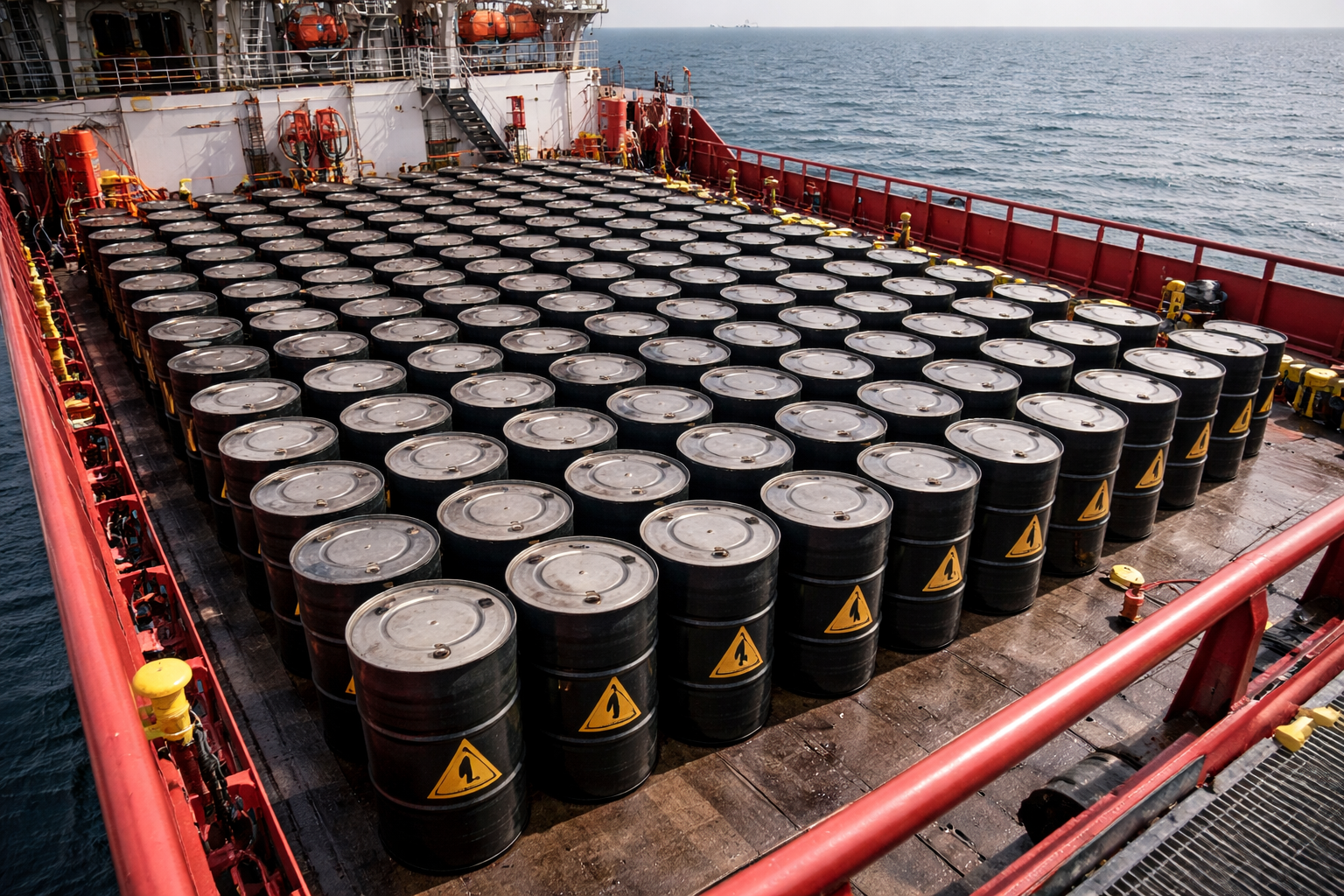
Kazakhstan said on Tuesday that its oil pipelines were operating normally following reports of overnight strikes on loading facilities at the Black Sea port of Novorossiysk, while confirming it was investigating the claims, as markets remain on edge over potential supply disruptions linked to the escalating conflict involving Iran and risks to flows through the Strait of Hormuz.
The Caspian Pipeline Consortium route, which carries the bulk of Kazakhstan's crude exports to global markets, remained functional, officials said.
What happened and what officials said
Russia's defence ministry said Ukrainian drones struck the maritime transhipment complex at Novorossiysk overnight, with the Ukrainian military separately confirming that its drones hit oil loading facilities at Sheskharis, approximately 15 kilometres from the main CPC terminal.
Russia reported damage to an oil tanker mooring and fires at four oil product storage tanks, according to Itar-Tass.
Kazakhstan's deputy energy minister Sungat Yesimkhanov said the country's oil sector was operating stably and that CPC exports were continuing without interruption.
"The work of our oil sector is stable and CPC exports continue to be stable," he said. Ukraine had not responded to a request for comment at the time of publication.
Also read: Oil rally hinges on Trump's Hormuz deadline; WTI to remain bullish
Why the CPC route matters
The Caspian Pipeline Consortium is the principal export artery for Kazakh crude, carrying roughly 80% of the country's oil exports via the Tengiz-Novorossiysk pipeline to the Black Sea terminal at Novorossiysk.
The pipeline has a throughput capacity that has historically handled upwards of 70 million tonnes of oil annually, making any sustained disruption to the route a significant concern for global supply.
The CPC is jointly owned by a consortium of Russian and international shareholders, giving the pipeline both strategic and commercial significance well beyond Kazakhstan's borders.
Recent disruptions and resilience
The CPC route has faced intermittent disruptions in recent years, though operators have consistently managed to maintain export flows.
Crude exports from the pipeline stood at 48 million tonnes as of end-November, according to Kazakhstan's state oil and gas company.
Officials have so far characterised the situation following the reported strikes as contained, though the investigation into the extent of damage at Novorossiysk remains ongoing.
Any confirmation of sustained damage to the Novorossiysk loading infrastructure would raise immediate questions about Kazakhstan's ability to maintain export volumes through its primary route and could add further upward pressure on oil prices at an already volatile moment for energy markets.
Shipping data and further official statements from Astana, Moscow and Kyiv will be the key variables to monitor in the sessions ahead.
The post With Hormuz closed, drones now target world's next busiest oil route appeared first on Invezz
0
0


 Gerencie todo seu criptograma, NFT e DeFi de um só lugar
Conecte com segurança o portfólio que você está usando para começar.