
Tether Burn-And-Remint Helps Romance Scam Victim Recover Nearly $900K

0
0
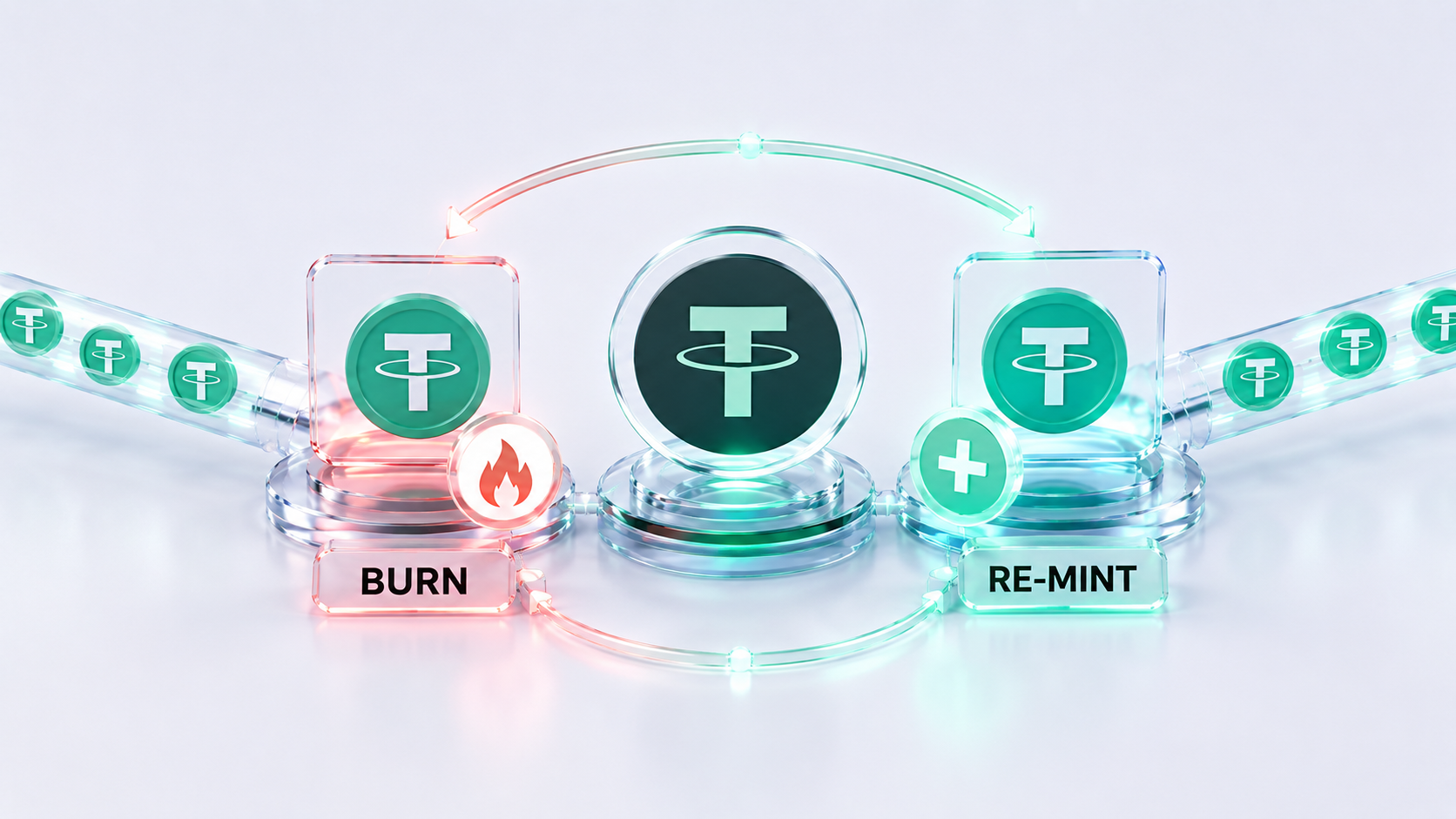
An elderly American romance-scam victim has recovered nearly $900,000 after Tether burned stolen USDT and reissued replacement tokens through a legal recovery process, putting stablecoin issuer controls back in the spotlight.
The case involved a sophisticated online romance fraud in which the victim was persuaded to transfer nearly $1 million of pension savings in USDT. The scam used dating-platform manipulation, deepfake video calls, forged documents, and repeated emergency-payment pressure before investigators traced a major portion of the stolen funds on-chain. The eventual burn-and-remint recovery shows how centralized stablecoin controls can sometimes turn blockchain tracing into real asset return.
Tether Burn-And-Remint Turns Frozen USDT Into A Recovery Tool
The recovery demonstrates how centralized stablecoins differ from decentralized cryptocurrencies. Bitcoin and many other crypto assets cannot be frozen, burned, or reissued by a central authority. USDT is different because Tether can blacklist addresses and restrict token movement when legal and compliance requirements are met.
In this case, investigators traced the stolen USDT and identified wallets that still held recoverable funds. Tether then blacklisted the relevant addresses, rendering the tokens unusable. The frozen tokens were later burned, and replacement USDT was issued so the victim could recover funds through legal proceedings.
That mechanism gives investigators an additional tool when stolen stablecoins remain traceable and have not been fully laundered through exchanges, mixers, OTC desks, bridges, or other services. It can also preserve value when assets remain in self-custodied wallets rather than centralized exchange accounts.
The process is not automatic. Tether’s legal and compliance framework handles requests tied to theft, hacks, scams, and law-enforcement investigations case by case, with recoveries dependent on legal documentation, internal review, and the facts of each incident.
Romance Scam Used Deepfakes And Fake Identity
The victim reportedly met the scammer through Match.com. The fraudster used the name David Haughn and claimed to be a wealthy diplomat living in London. The deception included deepfake video calls and fabricated legal documents, making the relationship and emergency-payment requests appear credible.
Over time, the victim converted approximately $1 million in pension savings into cryptocurrency and transferred the funds as USDT. Blockchain forensic investigators later traced the stolen assets and determined that a substantial portion remained recoverable.
The case reflects a broader trend in romance-related crypto fraud, where criminals spend weeks or months building trust before requesting money. These scams frequently overlap with pig-butchering tactics, where victims are gradually pushed into larger transfers through fake profits, emotional pressure, and fabricated urgency.
Stablecoin Issuer Power Cuts Both Ways
The recovery is a major win for the victim, but it also highlights one of the biggest trade-offs in the stablecoin market: issuer control.
For victims and law enforcement, issuer-level freezing and reminting can stop criminals from cashing out traceable funds. For decentralization-focused crypto users, the same power confirms that major fiat-backed stablecoins remain centralized financial instruments. USDT can move like crypto, settle quickly, and operate across blockchains, but it does not behave like Bitcoin when an issuer can restrict, burn, and reissue tokens under specific legal circumstances.
That distinction is becoming more important as stablecoins move deeper into payments, exchanges, DeFi, remittances, and cross-border settlement. Issuer controls can support sanctions enforcement, fraud response, and victim recovery, but they also mean users rely on the policies, compliance systems, and legal obligations of the company behind the token.
Tether has also increased its public law-enforcement posture. The company has described cooperation with hundreds of agencies globally and has highlighted major USDT freezes connected to illicit finance investigations, including enforcement actions tied to sanctioned wallets and criminal networks.
Blockchain Tracing Still Needs Legal Follow-Through
The case also shows the limits of simple “crypto recovery” claims. Blockchain tracing can identify wallet movements, exchange deposits, laundering routes, and entity links, but victims usually still need legal orders, evidence packages, issuer cooperation, and law-enforcement involvement before funds can be returned.
That distinction is critical because scam victims are often targeted a second time by fake recovery services. A legitimate recovery process usually involves investigators, lawyers, exchanges, issuers, or government agencies. A random account promising guaranteed recovery for an upfront fee, wallet login, seed phrase, or remote-device access is usually setting up another theft. Users dealing with a loss should also be alert to crypto recovery scams that target victims after the original fraud.
The recovery lands as authorities increase pressure on broader crypto-linked scam infrastructure. Recent enforcement against scam compounds tied to Cambodia and Dubai showed how online investment fraud can connect to laundering networks, trafficked workers, fake platforms, and cross-border criminal groups.
For stablecoins, the message is sharper. Issuer controls are no longer just a compliance footnote. In the right legal setting, they can become a victim-recovery weapon, a laundering choke point, and one of the clearest differences between centralized stablecoins and permissionless crypto assets.
The post Tether Burn-And-Remint Helps Romance Scam Victim Recover Nearly $900K appeared first on Crypto Adventure.
0
0

 한 곳에서 모든 암호화폐, NFT 및 DeFi 를 관리하세요
시작하는 데 사용하는 포트폴리오를 안전하게 연결하세요.


0
0
