
Brent Crude Oil Surges Over 1% to $102 After Alarming Attack on Iran’s Pars Gas Field

0
0
BitcoinWorld

Brent Crude Oil Surges Over 1% to $102 After Alarming Attack on Iran’s Pars Gas Field
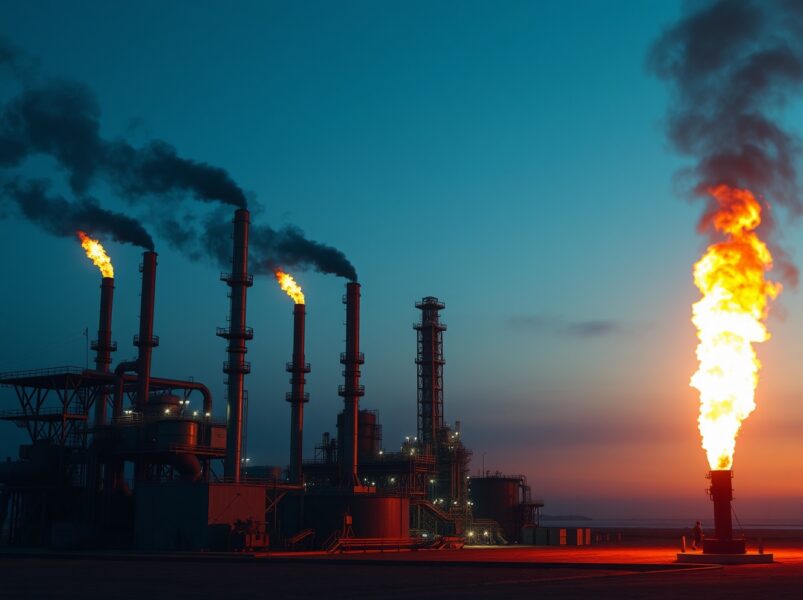
Global energy markets experienced immediate volatility on Thursday as Brent crude oil prices surged 1.23% to $102 per barrel following confirmed attacks on critical Iranian energy infrastructure. The price movement represents the most significant single-day gain in three weeks, directly responding to reports from Iranian state television detailing incidents at the southern Pars gas field and the Asaluyeh oil facility. This development underscores the persistent fragility of global energy supply chains amid ongoing regional tensions.
Brent Crude Oil Reacts to Iranian Infrastructure Attack
Market analysts observed rapid price adjustments within minutes of the initial reports. Consequently, Brent crude futures for June delivery climbed from an opening of $100.77 to settle at $102.00 by the European trading session close. The West Texas Intermediate benchmark similarly increased by 1.15% to $97.50 per barrel. These movements reflect immediate trader concerns about potential supply disruptions from one of the world’s most significant energy-producing regions. Historically, attacks on Gulf energy infrastructure have triggered sustained price increases lasting several trading sessions.
The Pars gas field represents a cornerstone of Iran’s natural gas production capacity. Furthermore, the Asaluyeh facility serves as a crucial processing hub for both oil and gas exports. Any operational disruption at these sites potentially affects global liquefied natural gas markets alongside crude oil supplies. Market data from the Intercontinental Exchange shows trading volumes spiked 40% above the 30-day average immediately following the news.
Geopolitical Context and Historical Precedents
The Strait of Hormuz remains the world’s most critical oil transit chokepoint. Approximately 21 million barrels of oil pass through this narrow waterway daily. This volume represents roughly 21% of global petroleum liquid consumption. Previous incidents in the region have demonstrated the market’s sensitivity to supply security concerns. For instance, the September 2019 attacks on Saudi Aramco facilities temporarily removed 5.7 million barrels per day from global supply.
Regional tensions have escalated significantly throughout 2024 and into early 2025. Multiple shipping incidents and drone attacks have occurred in Red Sea shipping lanes. Additionally, ongoing diplomatic negotiations regarding Iran’s nuclear program have created an environment of uncertainty. Energy analysts consistently monitor these developments because they directly influence risk premiums in oil pricing.
Expert Analysis on Market Implications
Senior energy strategists from major financial institutions provided immediate assessments. “The market’s reaction reflects genuine concern about escalation,” noted Dr. Elena Rodriguez, Head of Commodities Research at Global Energy Analytics. “While initial reports suggest limited physical damage, the psychological impact on traders is substantial. The risk premium for Middle Eastern crude has expanded by approximately $2.50 per barrel.”
Supply chain analysts emphasize the interconnected nature of global energy markets. Disruptions in one region inevitably affect pricing and availability worldwide. The European Union currently imports 8% of its crude oil from Middle Eastern suppliers. Asian economies, particularly China and India, depend even more heavily on Gulf shipments. Therefore, price volatility in Brent crude directly impacts consumer energy costs across multiple continents.
Technical Analysis of Price Movements
Trading charts reveal that Brent crude breached a key resistance level at $101.80 during the session. This breakthrough suggests potential for further upward movement if additional concerning developments emerge. The relative strength index climbed from 45 to 58, indicating renewed bullish momentum. However, trading volumes must sustain elevated levels to validate the price increase as more than a temporary reaction.
Comparative data illustrates the market’s sensitivity:
| Event | Date | Brent Price Impact | Duration |
|---|---|---|---|
| Pars Field Attack | March 2025 | +1.23% | Ongoing |
| Red Sea Tanker Incident | January 2025 | +0.87% | 2 days |
| OPEC+ Production Announcement | December 2024 | -2.10% | 5 days |
| US Strategic Reserve Release | October 2024 | -1.45% | 3 days |
Several key factors will determine whether the price increase sustains:
- Damage assessment reports from Iranian authorities
- Operational status of export terminals
- Shipping insurance premiums for Gulf routes
- Strategic petroleum reserve announcements from consuming nations
Global Economic Impact Assessment
Sustained higher oil prices inevitably affect global inflation metrics. Central banks worldwide monitor energy costs closely when formulating monetary policy. A $10 increase in Brent crude typically adds 0.4% to global consumer price indices within six months. Transportation and manufacturing sectors experience the most immediate cost pressures. Airlines frequently hedge fuel purchases, but unexpected spikes can negatively impact quarterly earnings.
Emerging market economies face particular vulnerability to oil price volatility. Nations with significant energy import requirements may experience currency depreciation and balance of payment challenges. Conversely, major exporting countries could benefit from increased revenue if production remains unaffected. The International Energy Agency maintains emergency stockpiles equivalent to 90 days of net imports for member countries, providing a buffer against short-term disruptions.
Supply Chain and Alternative Routes
Shipping companies have contingency plans for regional disruptions. Some vessels can reroute around the Cape of Good Hope, adding approximately 10-14 days to Asia-Europe transit times. However, this alternative significantly increases freight costs and vessel emissions. Pipeline infrastructure offers limited alternatives for crude transportation from the Persian Gulf region. The SUMED pipeline in Egypt provides some redundancy, but capacity constraints limit its effectiveness for major diversions.
Conclusion
The Brent crude oil price surge following the Iranian infrastructure attack demonstrates the persistent vulnerability of global energy markets to geopolitical events. While the immediate physical supply impact appears limited, the psychological effect on traders has been substantial. Market participants will closely monitor damage assessments and regional responses in coming days. The incident reinforces the critical importance of energy security and diversified supply chains in an increasingly volatile world. Ultimately, the Brent crude market reaction serves as a reminder that Middle Eastern stability remains inextricably linked to global economic stability.
FAQs
Q1: What exactly happened to cause the Brent crude price increase?
The price increase followed confirmed attacks on Iran’s Pars gas field and Asaluyeh oil facility, as reported by Iranian state television. These are critical energy infrastructure sites in one of the world’s most important oil-producing regions.
Q2: How significant is a 1.23% increase in oil prices?
While seemingly modest, this represents the largest single-day gain in three weeks and adds approximately $1.25 to each barrel of Brent crude. For global markets trading millions of barrels daily, this creates substantial financial impacts.
Q3: Could this attack lead to sustained higher oil prices?
Sustained higher prices depend on several factors: the extent of physical damage, potential for further incidents, regional responses, and whether alternative supply sources can compensate for any production losses.
Q4: How does this affect ordinary consumers?
Higher crude oil prices typically translate to increased costs for gasoline, diesel, heating oil, and petroleum-based products within weeks. Transportation and manufacturing costs often rise, potentially affecting consumer prices broadly.
Q5: What is the Pars gas field’s importance to global energy markets?
The Pars gas field is the world’s largest natural gas field, shared between Iran and Qatar. It accounts for approximately 40% of Iran’s natural gas reserves and significant portions of global LNG supplies, making it strategically crucial to energy security.
This post Brent Crude Oil Surges Over 1% to $102 After Alarming Attack on Iran’s Pars Gas Field first appeared on BitcoinWorld.
0
0


 Կառավարեք ձեր բոլոր կրիպտարժույթները, NFT-ն և DeFi-ն՝ մեկ տեղից
Ապահովաբար կցեք ձեր օգտագործած պորտֆոլիոն՝ սկսելու համար:

0
0


0
1

0
0