
Gulf Pipeline Strategy: A Bold Move to Bypass the Strait of Hormuz

0
0
BitcoinWorld
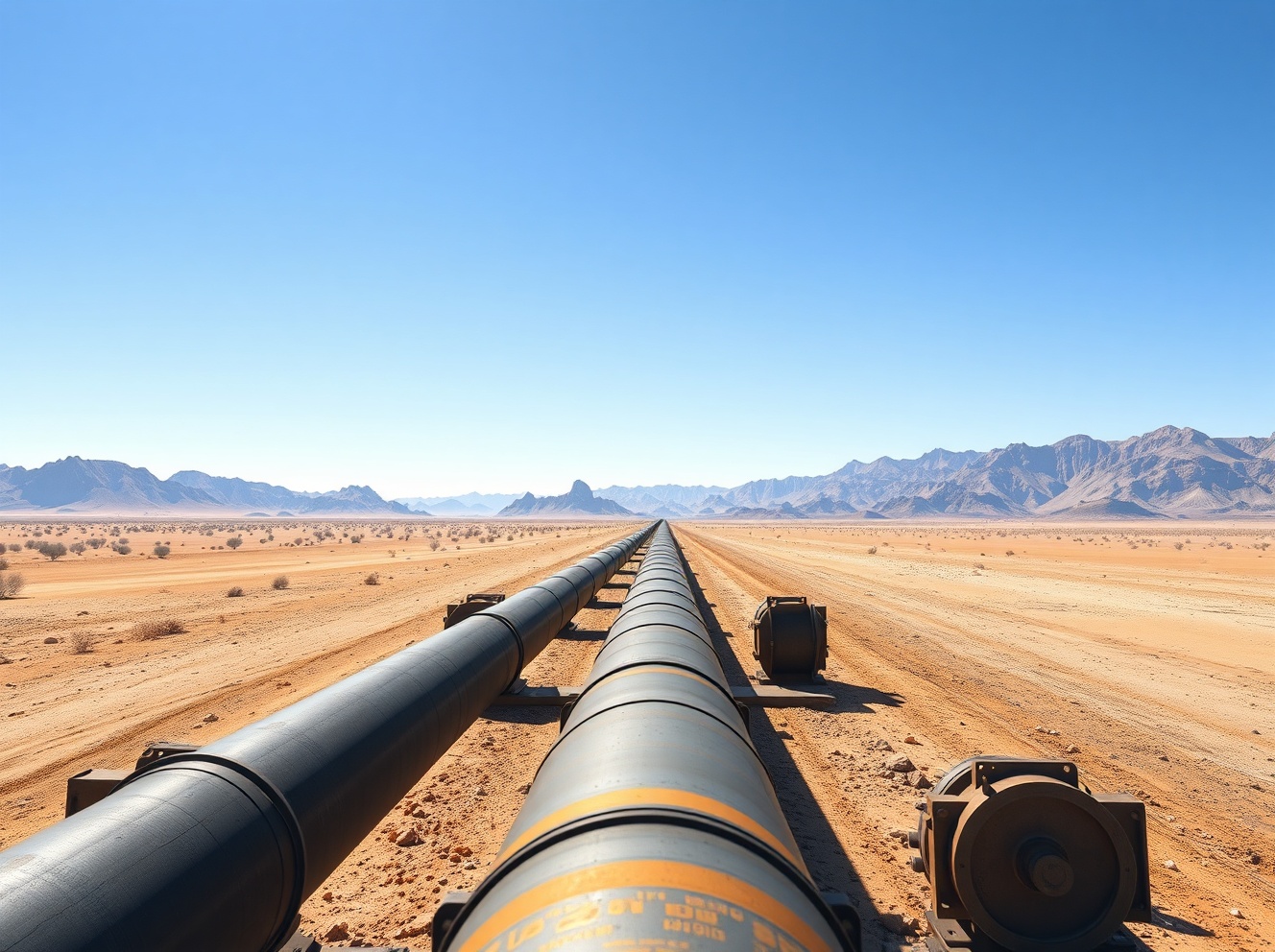
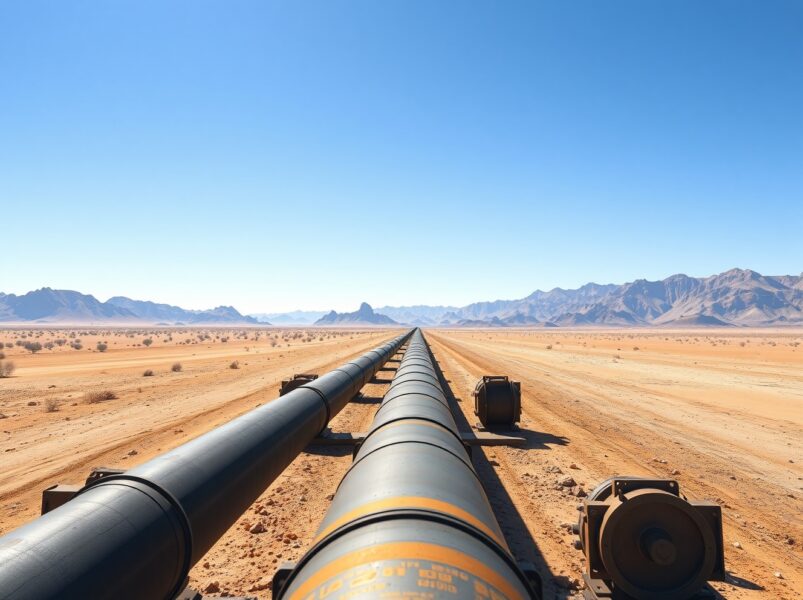
Gulf Pipeline Strategy: A Bold Move to Bypass the Strait of Hormuz
Gulf Cooperation Council (GCC) nations are actively exploring ambitious new pipeline projects to circumvent the Strait of Hormuz, a critical but vulnerable maritime chokepoint for global oil exports, according to recent reports. This strategic initiative, centered in the Middle East as of early 2025, represents a profound shift in regional energy security planning. Consequently, it aims to mitigate a significant geopolitical risk that has long shadowed the world’s most important oil-exporting region.
Gulf Pipeline Projects Target Strategic Independence
The Strait of Hormuz, a narrow waterway between Oman and Iran, functions as the world’s most important oil transit corridor. Notably, approximately 21 million barrels of oil, representing one-fifth of global petroleum consumption, pass through it daily. However, its geographical constriction makes it a perennial flashpoint. Regional tensions have repeatedly triggered fears of disruption, directly impacting global oil prices and energy security. Therefore, Gulf monarchies like Saudi Arabia, the United Arab Emirates, and Kuwait are now prioritizing land-based alternatives.
These nations are not merely considering theoretical routes. For instance, Saudi Arabia has previously utilized the East-West Petroline pipeline to redirect crude from its eastern fields to the Red Sea port of Yanbu. Similarly, the UAE operates the Habshan–Fujairah pipeline, which bypasses the Strait entirely by carrying oil to the Gulf of Oman. The current discussions likely focus on expanding this existing infrastructure network and building new, complementary lines. This proactive approach seeks to create redundant export capacity, ensuring shipments continue even during a maritime crisis.
The Geopolitical Calculus Behind Alternative Routes
The drive for pipeline development is fundamentally rooted in risk management. The strategic calculus involves several key factors:
- Maritime Vulnerability: The strait is only 21 miles wide at its narrowest point, making tankers susceptible to mining, harassment, or blockade during conflicts.
- Regional Tensions: Ongoing friction between Iran and Western powers, alongside historic intra-Gulf disputes, perpetuates the threat of closure.
- Economic Imperative: Gulf state budgets remain heavily reliant on hydrocarbon revenue, making export continuity a national security priority.
Furthermore, investing in pipelines aligns with broader Gulf economic visions, like Saudi Vision 2030, which emphasize infrastructure resilience. Energy analysts note that while pipelines require massive upfront capital, they offer long-term operational stability. They also reduce insurance premiums and shipping costs associated with high-risk zones. This move signals a mature, long-term strategy to de-risk energy assets from regional volatility.
Expert Analysis on Feasibility and Impact
Energy security experts highlight both the opportunities and challenges. “Pipeline diversification is a logical, albeit expensive, step for hydrocarbon-dependent economies,” explains Dr. Leila Benali, a former Chief Economist at the Arab Petroleum Investments Corporation. “The technical feasibility is proven, but the economics depend on sustained high throughput and stable political agreements between transit countries.”
Potential routes under consideration could include:
| Potential Route | Key Challenge | Strategic Benefit |
|---|---|---|
| Northern extension through Iraq to Turkey | Requires stability in Iraq | Access to Mediterranean markets |
| Southern route across the Arabian Peninsula to the Omani coast | High construction costs in mountainous terrain | Complete bypass of the Persian Gulf |
| Expansion of existing UAE and Saudi pipelines | Capacity limitations | Faster implementation |
Moreover, such projects would necessitate unprecedented regional cooperation, potentially serving as a catalyst for deeper GCC integration or even broader Middle Eastern diplomacy. The financial commitment could reach tens of billions of dollars, involving international engineering firms and financiers.
Global Energy Markets and Future Implications
The successful development of major alternative export corridors would reshape global oil flow dynamics. Initially, it would enhance the perceived security of Gulf supplies, potentially lowering the global “risk premium” baked into oil prices. For Asian importers like China, Japan, and India, which rely heavily on Gulf crude, more secure routes could translate into greater long-term supply confidence.
Conversely, this strategic pivot also underscores the enduring importance of fossil fuels in the global energy mix, even amid the energy transition. It demonstrates that major producers are planning for a hydrocarbon-centric future for decades to come. Simultaneously, it may influence military posturing in the region, as the strategic value of the Strait itself could evolve if a significant portion of oil flows shifts onshore.
Conclusion
The Gulf pipeline strategy to bypass the Strait of Hormuz marks a decisive turn toward infrastructure-based energy security. This move addresses a critical vulnerability that has threatened global economic stability for generations. While formidable financial and geopolitical hurdles remain, the pursuit of these alternative routes demonstrates a clear commitment by Gulf states to control their economic destiny. Ultimately, the success of this bold pipeline initiative will significantly influence regional stability and global energy market resilience for years to come.
FAQs
Q1: Why is the Strait of Hormuz so important?
The Strait of Hormuz is a narrow maritime chokepoint connecting the Persian Gulf to the open ocean. It is the world’s most critical oil transit passage, with about 21 million barrels of oil moving through it daily, supplying markets across Asia, Europe, and beyond.
Q2: Which Gulf countries already have pipelines bypassing the Strait?
The United Arab Emirates operates the Habshan–Fujairah pipeline, and Saudi Arabia uses the East-West Petroline to the Red Sea. Iraq also has pipeline capacity to Turkey, though it has been underutilized due to instability.
Q3: What are the main challenges in building new pipelines?
Primary challenges include exorbitant construction costs (often tens of billions of dollars), complex negotiations over transit rights with neighboring countries, securing long-term financing, and navigating difficult terrain like mountains or disputed territories.
Q4: How would new pipelines affect global oil prices?
In the long term, reducing reliance on the vulnerable Strait could lower the geopolitical risk premium in oil prices, leading to more stable and potentially lower prices. It would make global supplies more resilient to regional shocks.
Q5: Does this move conflict with global energy transition goals?
While seemingly at odds with a shift to renewables, Gulf states view hydrocarbon revenue as essential for funding their economic diversification and clean energy projects. These pipelines are part of a strategy to secure the capital needed for their long-term energy transitions.
This post Gulf Pipeline Strategy: A Bold Move to Bypass the Strait of Hormuz first appeared on BitcoinWorld.
0
0


 Կառավարեք ձեր բոլոր կրիպտարժույթները, NFT-ն և DeFi-ն՝ մեկ տեղից
Ապահովաբար կցեք ձեր օգտագործած պորտֆոլիոն՝ սկսելու համար:

0
0

0
0

0
0

0
0