
Pound Sterling Plummets: US Dollar Soars on Intensifying Global Risk Aversion

0
0
BitcoinWorld
Pound Sterling Plummets: US Dollar Soars on Intensifying Global Risk Aversion
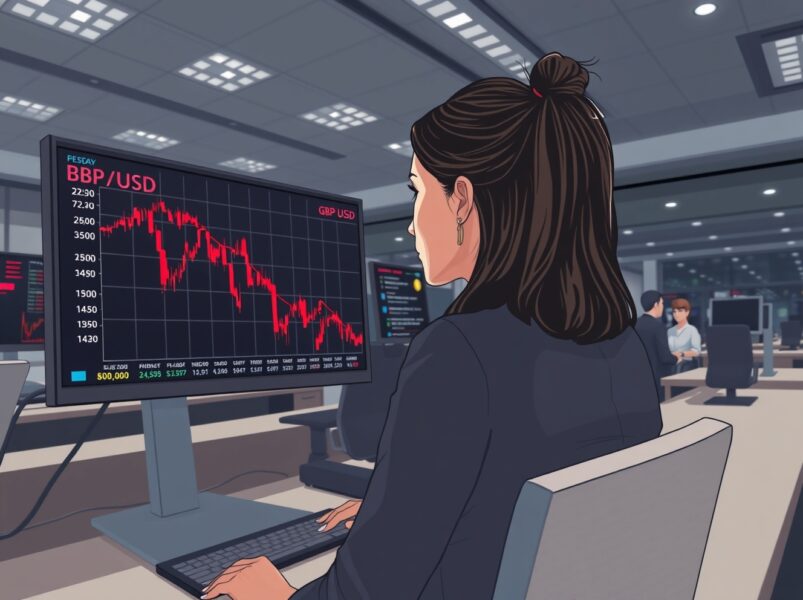
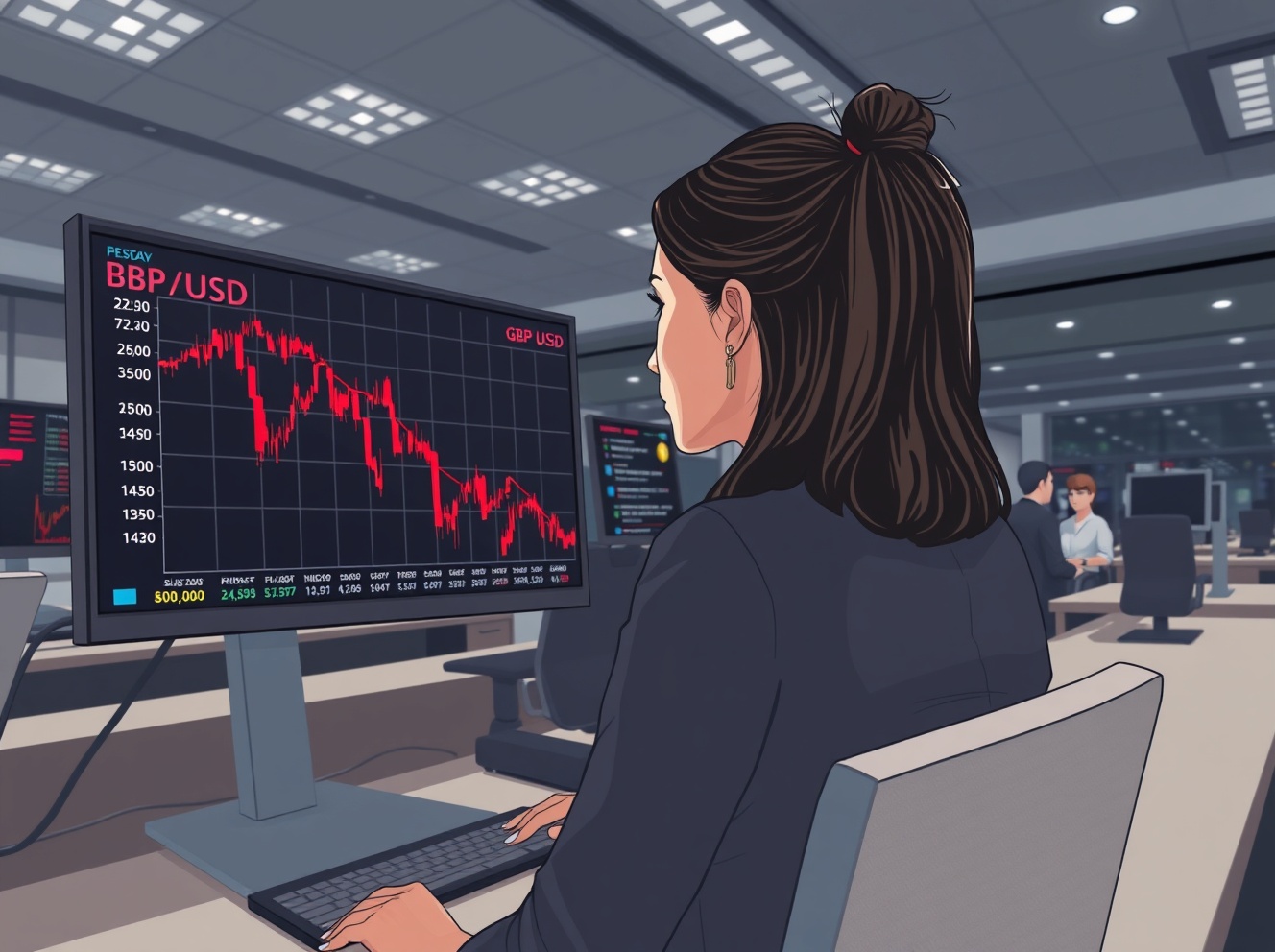
LONDON, April 2025 – The Pound Sterling has experienced a pronounced decline against a resurgent US Dollar, as financial markets worldwide pivot toward safe-haven assets amid a sharp spike in global risk aversion. This significant currency movement reflects deep-seated investor concerns over geopolitical tensions and shifting macroeconomic expectations, placing the GBP/USD pair under intense scrutiny.
Pound Sterling Decline Amidst Dollar Dominance
Currency traders witnessed a substantial sell-off in the British Pound throughout the trading session. Consequently, the GBP/USD pair breached several key technical support levels. Market analysts immediately pointed to a classic flight to safety as the primary catalyst. Furthermore, the US Dollar Index (DXY), which measures the greenback against a basket of six major currencies, rallied strongly. This inverse relationship between the Pound and the Dollar highlights the latter’s enduring status as the world’s premier reserve currency during periods of uncertainty.
Several interconnected factors are driving this dynamic. Firstly, renewed geopolitical friction in Eastern Europe has unsettled European markets. Secondly, disappointing economic data from China has raised fears of a global growth slowdown. Thirdly, investors are reassessing the interest rate trajectory of major central banks. The Bank of England faces a complex balancing act between controlling inflation and supporting growth, while the Federal Reserve maintains a comparatively hawkish stance.
Analyzing the Drivers of Heightened Risk Aversion
The surge in risk aversion is not an isolated event but the result of a confluence of global pressures. Equity markets in Asia and Europe registered broad-based losses, triggering a cascade into currency and bond markets. Investors rapidly moved capital out of perceived riskier assets and currencies, like the Pound, and into traditional havens. The US Treasury market saw significant inflows, pushing yields lower and reinforcing the Dollar’s appeal.
Expert Perspective on Market Sentiment
Dr. Anya Sharma, Chief Currency Strategist at Global Macro Advisors, provided context. “When volatility spikes, historical patterns reassert themselves,” she explained. “The US Dollar’s liquidity and the depth of its bond market make it the default destination for capital in a storm. The Pound, while a major currency, is more exposed to regional European risks and domestic economic headwinds, making it vulnerable to this kind of repricing.” This analysis underscores the structural reasons behind the currency pair’s movement.
The price action can be summarized by key technical and fundamental shifts:
- Technical Breakdown: GBP/USD fell below the critical 1.2500 psychological level and its 200-day moving average.
- Yield Differential: The gap between US and UK government bond yields widened in favor of the Dollar.
- Commodity Pressure: A retreat in global oil prices negatively impacted energy-linked currencies, adding indirect pressure.
- Options Market: There was a notable increase in demand for puts (bearish bets) on the Pound, indicating institutional hedging.
Comparative Impact on Major Currency Pairs
The Dollar’s strength was broad-based but exhibited variance. While the Pound faced heavy selling, the Euro also softened, though to a lesser extent due to its own haven characteristics. In contrast, commodity-sensitive and emerging market currencies experienced even steeper declines. The following table illustrates the relative performance of major pairs during the risk-off session:
| Currency Pair | Change (%) | Key Driver |
|---|---|---|
| GBP/USD | -1.8% | High UK risk exposure, broad USD demand |
| EUR/USD | -0.9% | Regional geopolitical risk, USD strength |
| USD/JPY | +0.5% | Classic safe-haven JPY flows vs. broad USD strength |
| AUD/USD | -2.2% | China growth concerns, commodity weakness |
Economic Implications and Forward Outlook
A weaker Pound carries immediate consequences for the UK economy. Firstly, it increases the cost of imported goods, potentially complicating the Bank of England’s inflation management. Secondly, it makes UK exports more competitive, which could benefit certain manufacturing sectors. However, the net effect during a risk-off period is often negative, as capital outflows and reduced investment outweigh export advantages.
Market participants are now closely monitoring several upcoming data points. Key releases include UK inflation figures, US retail sales data, and commentary from central bank officials. The trajectory of the GBP/USD pair will likely depend on whether the current risk-averse sentiment proves transient or marks the beginning of a more sustained phase of market caution. Analysts suggest that a stabilization in geopolitical headlines could prompt a technical rebound for the Pound, but the underlying bias may remain cautious until macroeconomic clarity improves.
Conclusion
The Pound Sterling decline against the US Dollar serves as a clear barometer of shifting global investor sentiment. Driven by intensified risk aversion, this move highlights the currency market’s sensitivity to geopolitical and economic crosscurrents. While the immediate pressure on the GBP/USD pair is significant, its future path will be dictated by the evolution of central bank policy, incoming economic data, and the durability of the current safe-haven demand for the US Dollar. Traders and economists alike will watch for signs of stabilization or further momentum in this classic risk-off dynamic.
FAQs
Q1: What does ‘risk aversion’ mean in forex markets?
A1: Risk aversion describes a market environment where investors prioritize the safety of their capital over potential returns. They sell assets perceived as risky (like certain currencies, stocks) and buy safe-haven assets (like the US Dollar, Japanese Yen, or government bonds).
Q2: Why does the US Dollar strengthen when markets are fearful?
A2: The US Dollar is considered the world’s primary reserve currency, backed by the deep and liquid US Treasury market. In times of crisis, global investors flock to US government debt for its perceived safety, which requires buying Dollars, thereby increasing its value.
Q3: How does a weaker Pound affect UK consumers?
A3: A weaker Pound makes imported goods and services more expensive, which can increase the cost of living (inflation). This includes everything from fuel and food to electronics and foreign holidays. It can also lead to higher interest rates if the Bank of England acts to curb inflation.
Q4: Could the Pound recover quickly from this drop?
A4: Sharp moves driven by sentiment can reverse quickly if the news flow improves (a ‘relief rally’). However, if the drivers are fundamental, like a worsening economic outlook or a sustained shift in interest rate expectations, the weakness could persist for a longer period.
Q5: What other assets typically perform well during risk aversion besides the US Dollar?
A5: Alongside the US Dollar, other traditional safe havens include gold, the Japanese Yen, the Swiss Franc, and high-grade government bonds from countries like the United States and Germany. These assets often appreciate when riskier assets like stocks and commodity currencies fall.
This post Pound Sterling Plummets: US Dollar Soars on Intensifying Global Risk Aversion first appeared on BitcoinWorld.
0
0

 Կառավարեք ձեր բոլոր կրիպտարժույթները, NFT-ն և DeFi-ն՝ մեկ տեղից
Ապահովաբար կցեք ձեր օգտագործած պորտֆոլիոն՝ սկսելու համար:

0
0

0
0

0
0

0
0