
Iran War Conflict Escalates as Security Chief Warns ‘Will Not End Soon’ Despite US Claims

0
0
BitcoinWorld
Iran War Conflict Escalates as Security Chief Warns ‘Will Not End Soon’ Despite US Claims
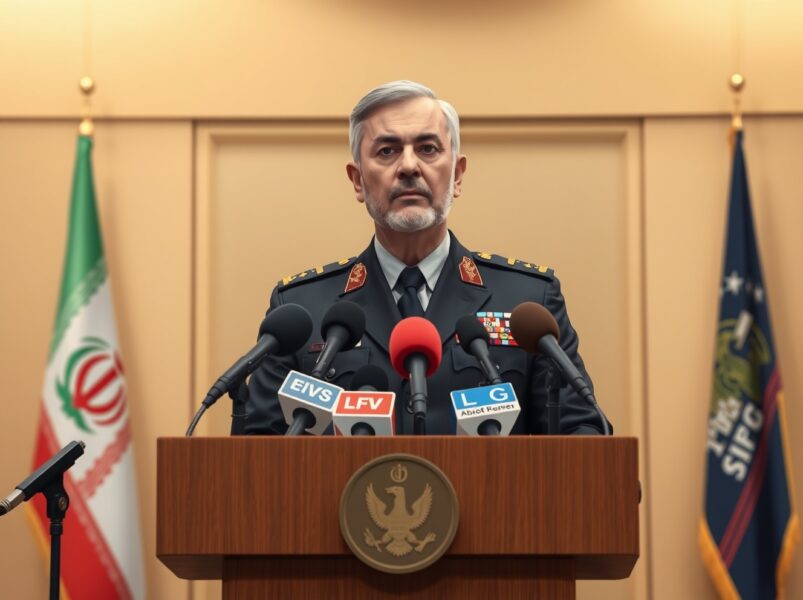
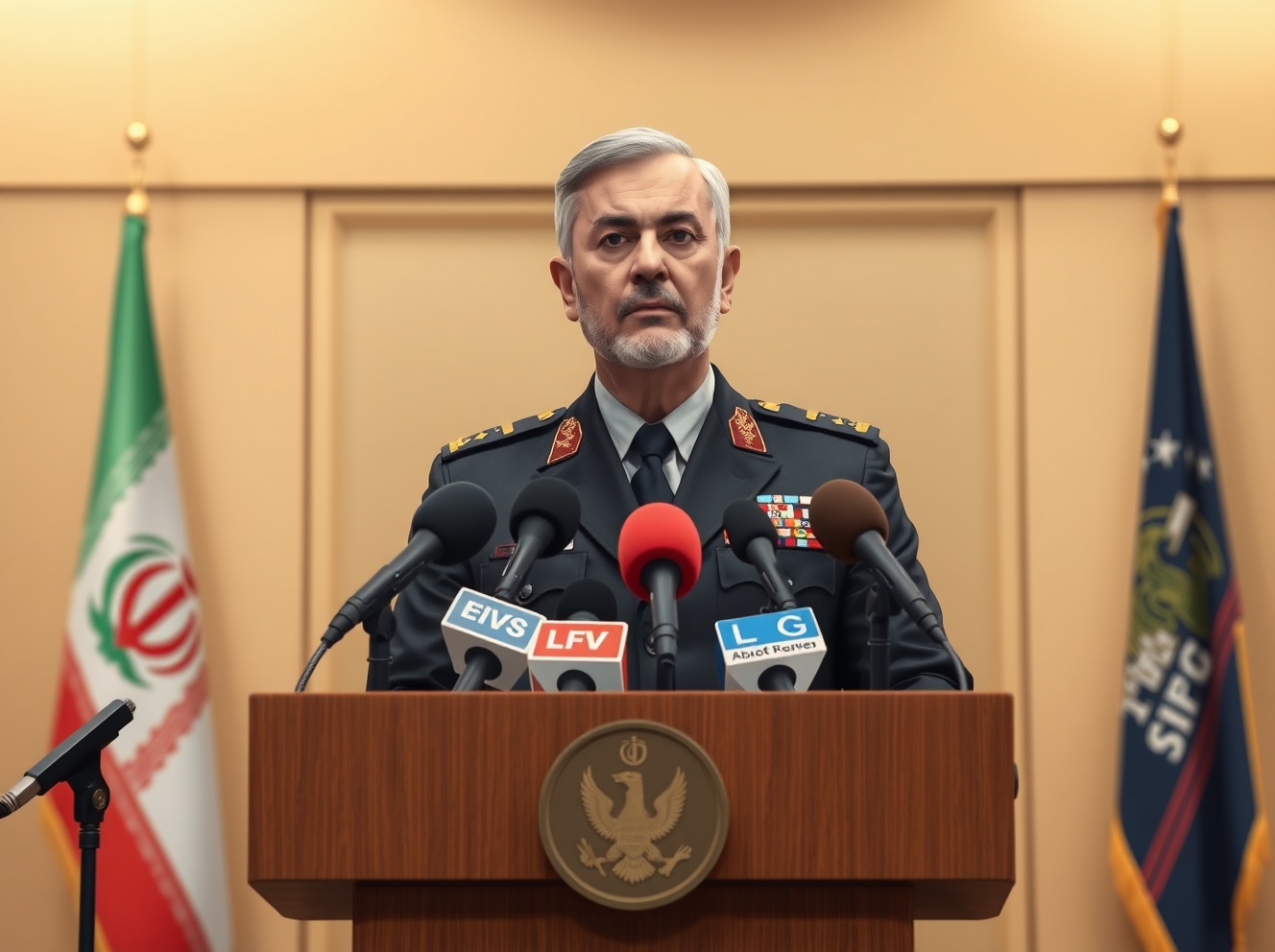
TEHRAN, Iran – January 15, 2025: A senior Iranian security official delivered a stark warning today that the ongoing regional conflict “will not end soon,” directly contradicting recent optimistic statements from U.S. leadership about imminent resolution. This significant declaration follows President Donald Trump’s assertion that he could end hostilities “at any time” if he chose to do so, creating a concerning divergence in public assessments between the two nations. The Iranian statement, reported initially by Walter Bloomberg, highlights deepening geopolitical tensions and suggests potential prolonged instability in the Middle East region.
Iran War Conflict Enters New Phase of Uncertainty
Iran’s security establishment now presents a fundamentally different timeline for conflict resolution than American leadership suggests. Consequently, regional analysts express growing concern about miscalculation risks. The Iranian position reflects several strategic considerations that merit examination. First, Tehran maintains substantial proxy networks across multiple countries. Second, domestic political dynamics require demonstrated resilience against external pressure. Third, military preparedness levels influence conflict duration assessments.
Furthermore, historical context reveals this isn’t the first time Iranian and American timelines have diverged publicly. Previously, during nuclear negotiations, similar discrepancies emerged before eventual diplomatic breakthroughs. However, current military tensions create different escalation dynamics. Regional powers monitor these developments closely because prolonged conflict affects energy markets and security arrangements. Additionally, international organizations prepare humanitarian responses for extended crisis scenarios.
Analyzing Conflicting Statements on Military Timelines
The divergence between Iranian and American statements reveals deeper strategic calculations. President Trump’s comments suggest confidence in U.S. military superiority and diplomatic leverage. Conversely, the Iranian security chief’s assessment indicates preparation for extended confrontation. Military analysts note several factors supporting Iran’s prolonged conflict assessment:
- Asymmetric warfare capabilities: Iran developed sophisticated drone and missile systems
- Regional proxy networks: Extensive relationships with groups in Lebanon, Syria, Yemen, and Iraq
- Economic resilience: Years of sanctions prepared Iran’s economy for extended pressure
- Strategic depth: Geographic and demographic factors favoring defensive operations
Meanwhile, U.S. military planners emphasize different advantages. American technological superiority remains significant across domains. International coalition support provides diplomatic cover for operations. Economic sanctions continue limiting Iran’s military modernization efforts. However, urban warfare complexities in densely populated regions could extend conflict duration despite technological advantages.
Expert Analysis of Regional Conflict Dynamics
Security experts from Middle Eastern research institutes provide crucial context for these conflicting assessments. Dr. Amina Farhoud, senior analyst at the Dubai-based Gulf Security Institute, explains the strategic calculus. “Iranian statements about prolonged conflict serve multiple purposes,” she notes. “First, they manage domestic expectations about potential hardship. Second, they signal resolve to regional adversaries. Third, they create negotiation leverage by demonstrating patience.”
Conversely, American statements about quick resolution reflect different strategic priorities. U.S. officials seek to reassure allies about commitment limitations. They also attempt to influence Iranian cost-benefit calculations. Additionally, they address domestic political concerns about extended military engagements. These competing narratives create uncertainty in global markets and diplomatic circles. Oil prices demonstrated volatility following both statements, reflecting market sensitivity to Middle East stability.
Historical Context of US-Iran Conflict Pronouncements
Current conflicting statements continue a long pattern of public divergence between Washington and Tehran. During the 1980s Tanker War, similar timeline discrepancies emerged. More recently, nuclear negotiations featured competing optimistic and pessimistic projections. However, military conflict introduces greater urgency because direct hostilities risk rapid escalation. The following table compares key conflict timeline statements since 2020:
| Date | U.S. Statement | Iranian Statement | Actual Outcome |
|---|---|---|---|
| January 2020 | “Maximum pressure will bring quick results” | “We will outlast our enemies” | Continued tensions |
| June 2022 | “Nuclear deal within reach” | “Negotiations require patience” | No agreement reached |
| March 2024 | “De-escalation progressing” | “We prepare for all scenarios” | Limited clashes |
| January 2025 | “War would end shortly” | “War will not end soon” | Ongoing conflict |
This pattern suggests institutional differences in conflict assessment methodologies. American analysis often emphasizes technological and economic advantages. Iranian assessment typically focuses on asymmetric capabilities and strategic patience. Both approaches contain valid insights but incomplete perspectives. Regional stability requires integrating both assessments for accurate conflict forecasting.
Military Capabilities and Conflict Duration Projections
Objective military analysis provides context for both statements about the Iran war conflict. The United States maintains clear conventional superiority across all military domains. American air power, naval capabilities, and intelligence systems significantly outmatch Iranian equivalents. However, Iran developed asymmetric responses that complicate quick victory scenarios. These include:
- Coastal defense networks: Advanced anti-ship missiles along Persian Gulf coastlines
- Drone swarms: Low-cost unmanned systems that overwhelm defenses
- Cyber capabilities: Disruption of critical infrastructure beyond region
- Proxy forces: Approximately 200,000 fighters across multiple countries
These capabilities create what military theorists call “escalation dominance” challenges. While the U.S. could achieve battlefield victories, eliminating Iranian asymmetric threats proves more difficult. Urban environments in cities like Tehran present particular challenges for rapid operations. Historical precedents from recent Middle Eastern conflicts suggest extended timelines despite technological advantages.
Economic and Humanitarian Implications
Prolonged conflict carries significant consequences beyond military considerations. Global energy markets remain sensitive to Persian Gulf stability. Approximately 20% of world oil shipments transit the Strait of Hormuz. Extended conflict risks supply disruptions and price volatility. Regional economies already strained by previous conflicts face additional pressure. Humanitarian organizations prepare for potential refugee movements and civilian casualties.
International diplomatic efforts continue despite conflicting public statements. Behind-the-scenes communications reportedly maintain basic crisis management channels. United Nations officials express cautious optimism about containing escalation. However, public divergence between Washington and Tehran complicates mediation efforts. Third-party nations like Oman and Qatar attempt to bridge communication gaps with limited success so far.
Conclusion
The Iranian security chief’s warning that the Iran war conflict “will not end soon” presents a sobering counterpoint to optimistic American assessments. This divergence reflects deeper strategic differences in conflict assessment and political messaging. While U.S. statements emphasize resolution capabilities, Iranian warnings prepare domestic and international audiences for extended confrontation. Regional stability now depends on managing these competing narratives while preventing miscalculation. The coming months will test whether diplomatic channels can bridge public statement gaps before military actions create irreversible consequences. Ultimately, the Iran war conflict’s duration depends less on public pronouncements and more on behind-the-scenes negotiations and military realities on the ground.
FAQs
Q1: What specifically did the Iranian security chief say about the conflict timeline?
The official stated unequivocally that the ongoing war “will not end soon,” directly contradicting U.S. President Donald Trump’s assertion that the conflict would end shortly and that he could terminate it at any time.
Q2: Why would Iran and the U.S. have such different assessments about conflict duration?
The divergence reflects different strategic perspectives: U.S. assessment emphasizes technological and economic advantages for quick resolution, while Iranian analysis focuses on asymmetric warfare capabilities and strategic patience for extended conflict.
Q3: What military capabilities does Iran possess that could prolong a conflict?
Iran maintains sophisticated drone and missile systems, extensive regional proxy networks, coastal defense networks along the Persian Gulf, and cyber warfare capabilities that complicate rapid military resolution despite U.S. conventional superiority.
Q4: How have global markets responded to these conflicting statements?
Oil prices demonstrated immediate volatility following both statements, reflecting market sensitivity to Middle East stability since approximately 20% of global oil shipments transit the potentially affected Strait of Hormuz region.
Q5: Are there ongoing diplomatic efforts despite these public disagreements?
Yes, behind-the-scenes communications reportedly continue through crisis management channels, with third-party nations like Oman and Qatar attempting mediation, though public statement divergence complicates these diplomatic efforts.
This post Iran War Conflict Escalates as Security Chief Warns ‘Will Not End Soon’ Despite US Claims first appeared on BitcoinWorld.
0
0


 Կառավարեք ձեր բոլոր կրիպտարժույթները, NFT-ն և DeFi-ն՝ մեկ տեղից
Ապահովաբար կցեք ձեր օգտագործած պորտֆոլիոն՝ սկսելու համար:

0
0

0
0

0
0

0
0