
StarX Network vs Torium Network: Which Mobile Mining App Is Better?
0
0
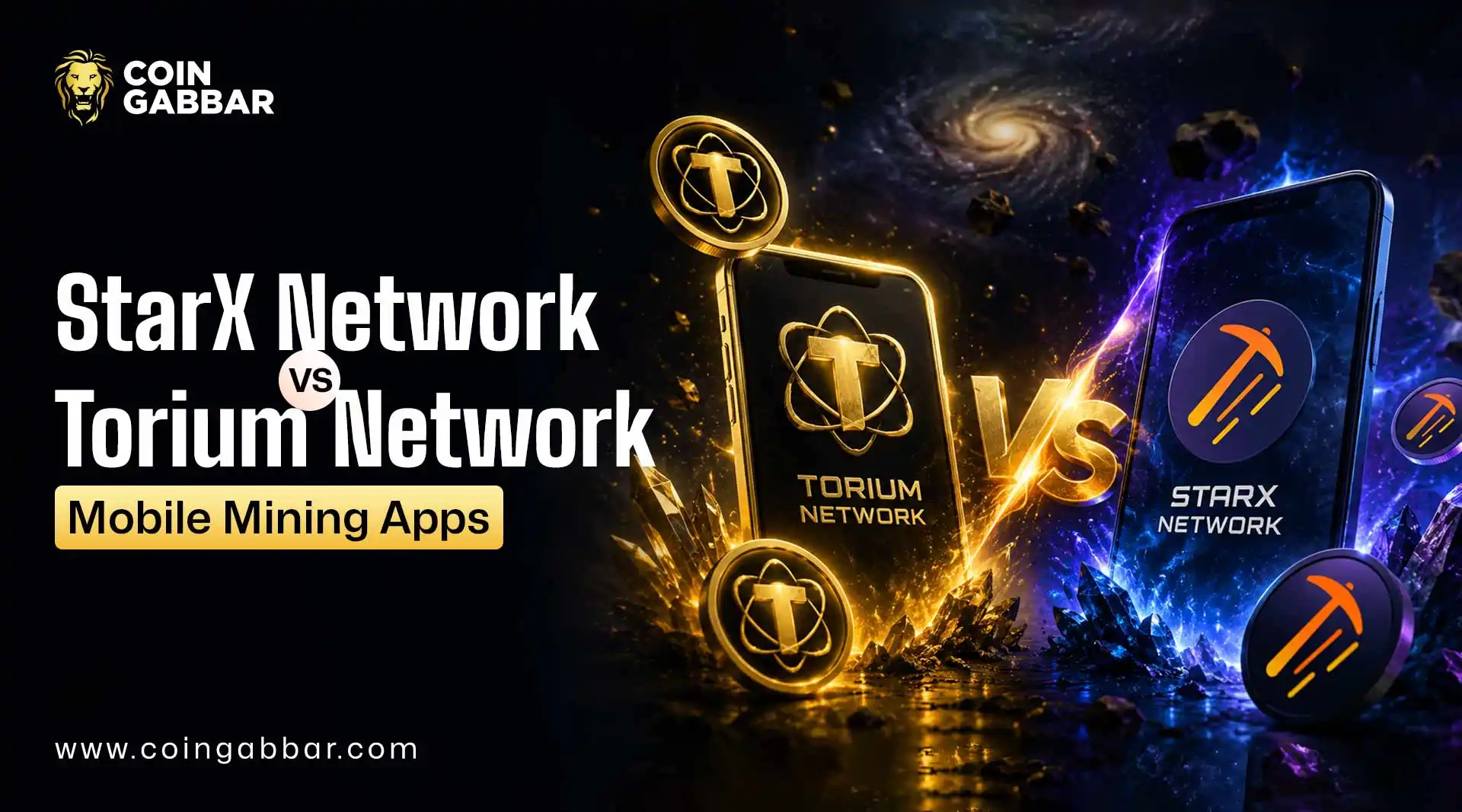
StarX Network vs Torium Network: Key Differences, Mining and Roadmaps
Mobile crypto mining apps have exploded in popularity because they let anyone earn tokens from a smartphone without buying rigs or paying electricity bills. Two names that keep showing up in this space are StarX Network and Torium Network. This StarX Network vs Torium Network comparison breaks down how each project actually works, so you can decide which one fits your goals before you commit your time.
What Are StarX Network and Torium Network?
Both StarX Network and Torium Network belong to the same broad category: mobile-first, tap-to-mine crypto projects built for everyday phone users rather than miners with expensive hardware. Neither requires a rig, a GPU, or technical setup you download an app, start a session, and collect rewards over time. Both are also currently in a pre-mainnet stage, meaning their native tokens (STRX and TOR) are not yet freely tradable on major exchanges.
Three quick takeaways before we go deeper:
Same category, different design. StarX runs on an existing chain (BEP-20, tied to ICE Open Network), while Torium is building its own Layer-1 blockchain from scratch.
Very different supply models. StarX has a fixed 90 million STRX supply, while TOR has a much larger fixed supply of 2 billion TOR.
Different timelines. STRX is further along in its KYC and listing-prep phase, while TOR has mapped its mainnet and Token Generation Event (TGE) for 2027.
StarX Network Overview
StarX Network is a mobile crypto mining app built around the token, issued on Binance Smart Chain (BEP-20) and connected to the ICE Open Network ecosystem. The pitch is simple: open the app, tap to start mining, and earn STRX passively without draining your battery. StarX-crypto positions itself as an eco-friendly, low-barrier entry point into Web3, with an active ambassador and referral program driving community growth. The StarX-mining app has already gone through KYC rollout stages as part of its move toward exchange readiness.
Source: Official Website
Torium Network Overview
Torium Network takes a slightly different approach. Instead of issuing a token on someone else's chain, it's building its own hybrid Layer-1 blockchain that combines enterprise-grade validator infrastructure with a public mining layer.
The TOR token is earned through 24-hour mining sessions at a base rate of 3.2 TOR per hour, and the whole system runs on a consensus model Torium-calls Proof of Participation rewarding consistent daily activity over raw computing power. Torium-mobile mining is currently live on a public testnet, with mainnet and TGE targeted for 2027.
Source: TOR official whitepaper
StarX Network vs Torium Network: Key Differences
Aspect | StarX Network (STRX) | Torium Network (TOR) |
Blockchain | BEP-20 on ICE Open Network | Own Layer-1 (in testnet) |
Total Supply | 90 million STRX | 2 billion |
Mining Model | Daily tap-to-mine, halving schedule | 24-hour sessions, milestone-based halving |
Current Stage | KYC rollout, listing prep | Public testnet, mainnet planned 2027 |
Unique Angle | Low supply, fast-track listing narrative | Enterprise verification + mobile mining hybrid |
StarX vs Torium: Tokenomics Comparison
StarX's 90 million STRX supply is split as 60% for mobile mining rewards, 15% for ecosystem and partnerships, 15% for the core team (vested), 5% for community growth, and 5% held in a development reserve. This low total supply is central to STRX community narrative around future scarcity.
Torium's 2 billion TOR allocation looks very different: 50% (1 billion) is reserved for Proof of Participation mining rewards, 20% for ecosystem and marketing, 20% for liquidity, and 10% locked for the team under a vesting schedule. Of the mining pool, 600 million TOR is earmarked for the testnet phase and 400 million for mainnet mining after TGE.
StarX vs Torium: Mining and Rewards
On the mining side, STRX Network mining follows a fixed halving calendar. The base rate started at 0.4167 STRX and has already dropped through several scheduled cuts, with the next halving set for August 2026. Referral bonuses add to daily earnings.
Torium Network mining works differently halvings aren't date-based but milestone-based. Every time global mined TOR crosses a 100 million threshold, the network moves into a new era with a reduced mining multiplier. On top of the 3.2 TOR/hour base rate, users can boost earnings through streaks, daily tasks, and capped referral team multipliers designed to keep rewards fair rather than favoring the earliest, most aggressive recruiters.
StarX vs Torium: Roadmap and Mainnet Plans
StarX's roadmap centers on its phased halving schedule (Phase 1 through Phase 5, running from August 2025 to August 2027) alongside KYC verification and exchange-listing preparation. (Source: StarX whitepaper).
Torium's roadmap is more structurally laid out: testnet and app launch (2025–Q1 2026, completed), Proof of Participation validation and community growth (Q2 2026, completed), wallet integration and developer tooling (Q3 2026, in progress), a full incentivized testnet with security audits (Q4 2026), and finally mainnet launch, TGE, and exchange-listing preparation in 2027.
StarX vs Torium: Token Supply and Utility
Beyond raw numbers, utility plans differ too. STRX has flagged a future non-custodial wallet, Web3 social features, a payment gateway, DAO governance, and a developer SDK as part of its later roadmap phases. TOR is building toward TOR-Pay for payments and remittances, a Scan & Earn feature for retail and brand verification, and broader enterprise supply-chain and verification tools leaning into its "enterprise meets mobile mining" positioning.
StarX vs Torium: KYC, Community and Ecosystem
StarX Network has been rolling out KYC verification as a compliance and security step ahead of potential listings, alongside an active ambassador program for community promotion. TOR reports a community of over 50,000 active miners across 195 countries, an app available in 19 languages, and its own ambassador program reflecting a broader international push at this stage.
Are StarX and Torium Listed on Exchanges?
As of now, neither STRX nor TOR is listed on a major exchange. STRX is in a pre-listing, KYC-driven phase, positioning itself for future listings once compliance milestones are met. TOR has been explicit that exchange-listing work sits after its 2027 mainnet launch and TGE meaning current TOR balances are pre-mainnet and not yet tradable on open markets.
StarX vs Torium: Potential Risks to Consider
Both projects carry the risks typical of early-stage, pre-listing crypto apps:
Neither token has a confirmed market price or exchange listing yet.
Mining rewards during this phase are tracked in-app and depend on the project eventually delivering mainnet conversion as promised.
Tokenomics, halving schedules, and roadmaps can change before mainnet.
As with any tap-to-earn crypto project, community hype can outpace verified technical progress, so independent research matters.
None of this is a judgment on either project's intentions it's simply the nature of pre-TGE mobile crypto mining apps in general.
StarX Network vs Torium Network: Which One Is Better?
There's no single "better" answer it depends on what you're optimizing for. If you're drawn to a smaller, low-supply token with an active KYC and listing-prep timeline, STRX Network's approach may appeal more. If you prefer a project building its own blockchain infrastructure with a longer, more detailed roadmap and enterprise use cases, TOR Network's hybrid mining and verification model may feel more substantial. StarX vs Torium which is better ultimately comes down to your risk appetite and how much weight you put on near-term listing plans versus long-term infrastructure building.
Final Verdict
Both StarX Network and Torium-Network sit in the same mobile crypto mining category but take different paths to get there one closer to a listing-ready token, the other building a full Layer-1 ecosystem over a longer runway. For anyone comparing STRX Network and Torium-Network comparison points side by side, tokenomics, mining rate design, and roadmap maturity are the clearest signals to track before deciding where to spend your time.
Disclaimer
This article is for informational purposes only and does not constitute financial or investment advice. Both StarX Network and Torium Network are early-stage, pre-listing crypto projects, and mining rewards, tokenomics, and roadmaps are subject to change. Always do your own research (DYOR) before participating in any crypto mining app or acquiring any cryptocurrency.
0
0
 Կառավարեք ձեր բոլոր կրիպտարժույթները, NFT-ն և DeFi-ն՝ մեկ տեղից
Ապահովաբար կցեք ձեր օգտագործած պորտֆոլիոն՝ սկսելու համար: