
Open Standard Unveils Open USD Stablecoin With Visa, Stripe And Coinbase Among 140 Partners

0
0
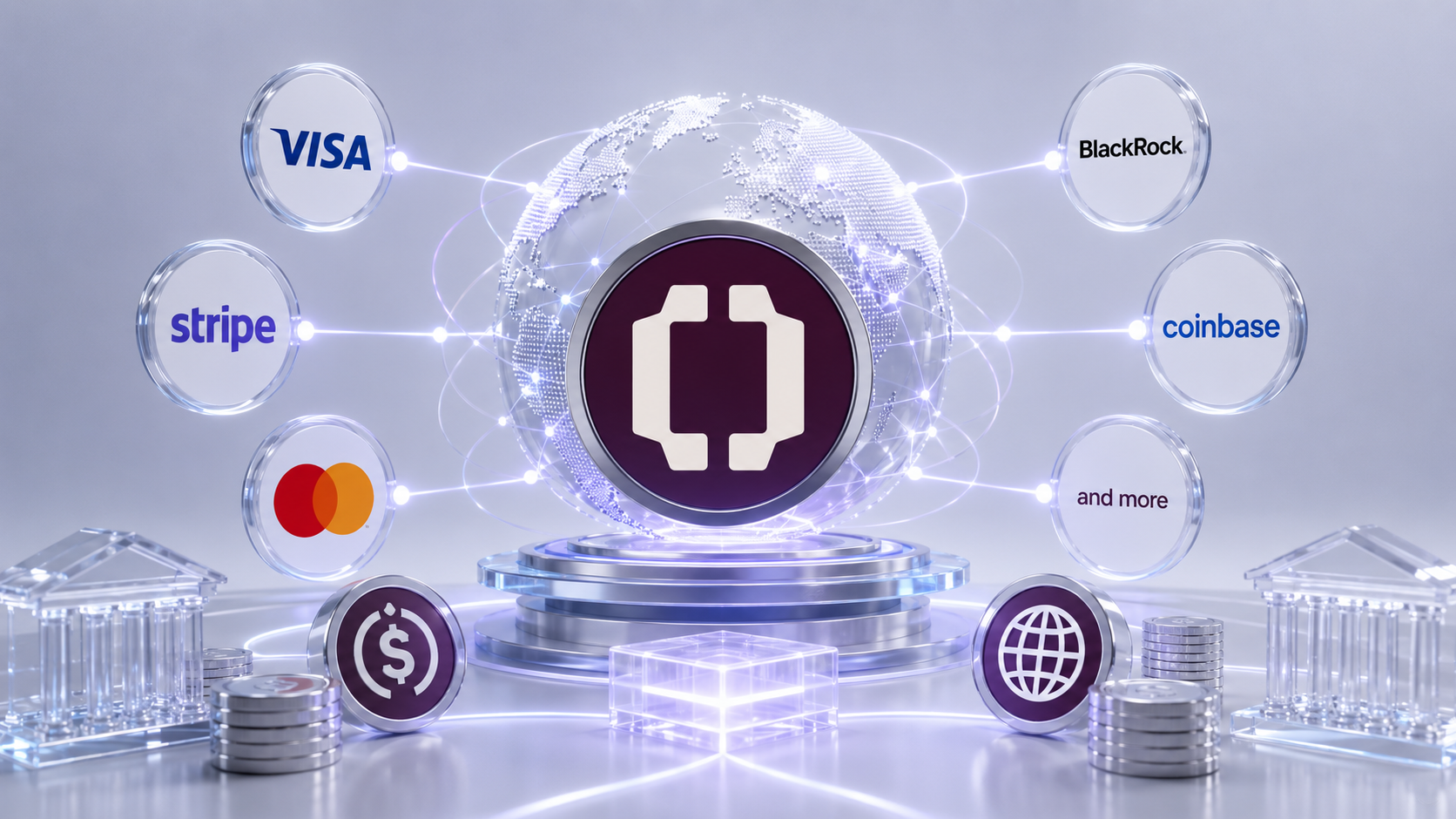
Open Standard has unveiled Open USD, a new dollar-backed stablecoin network designed for global money movement, business payments and onchain settlement.
The project brings together more than 140 businesses across payments, banking, fintech, crypto, commerce and technology. The partner list includes Visa, Stripe, Mastercard, American Express, Discover, BlackRock, BNY, Standard Chartered, Google, Shopify, Coinbase, Solana, OKX, Ripple, Crypto.com, Fireblocks, Gemini, MetaMask, Aave, MoonPay, Anchorage Digital, Stellar, Polygon and Aptos Labs.
Open USD is not live for public use yet. Open Standard says the stablecoin will go live later this year, giving partners time to integrate the asset into payment, treasury, wallet, exchange, merchant and settlement flows.
The launch lands as stablecoins are moving beyond exchange liquidity into direct business infrastructure. Coinbase and Spiko recently opened stablecoin access to tokenized UCITS money-market funds, while BNY and Circle added USDC custody support for institutional clients. Open USD pushes the same market toward a shared network model backed by payment companies, banks, asset managers and crypto platforms.
No Minting Fees And Shared Reserve Earnings
Open USD’s design centers on three promises for businesses: no-cost minting and redemption, no artificial volume limits and reserve earnings shared with participating partners after a small management fee.
That structure targets a major stablecoin business issue. Large payment companies, fintechs and exchanges can move billions of dollars through stablecoins, but reserve income normally sits with the issuer rather than the businesses distributing the asset or building user-facing payment flows. Open Standard is trying to make the economics more aligned with the firms that bring volume into the network.
The governance model also differs from stablecoins controlled by one main issuer. Open USD will be operated by Open Standard, an independent company with a board made up of Open USD partners. That partner-led structure is meant to give major users a role in roadmap, distribution and network decisions instead of leaving those choices to a single issuer.
The model puts Open USD closer to shared payment infrastructure than a narrow exchange stablecoin. Visa, Mastercard, Stripe, Shopify, DoorDash, Coinbase, Fireblocks and other partners each touch different parts of money movement, including card acceptance, merchant payouts, wallets, remittances, custody, liquidity and developer tooling.
Stablecoin Competition Moves Into Payments
Open USD adds a new competitive layer to a market still dominated by USDT and USDC. Those two stablecoins already control most liquidity across exchanges, DeFi, wallets and institutional settlement, but Open Standard is betting that businesses want a neutral dollar token with shared economics and broader influence over governance.
The timing also fits a broader shift in payment networks. Mastercard recently moved deeper into onchain crypto access through its Chainlink-backed card integration, while Coinbase has been expanding stablecoin use across payments, tokenized funds and business infrastructure. Open USD now gives payment giants and crypto firms a common stablecoin project instead of leaving each company to build separate rails.
The partner list does not mean every company will use Open USD in the same way. Some may support payments, some may provide custody or liquidity, some may integrate merchant flows, and others may explore treasury, wallet or developer use cases. The main change is that the stablecoin arrives with distribution already spread across global payment, fintech, banking, commerce and crypto networks.
Open USD is expected to go live later in 2026, with Open Standard listing more than 140 signed-up businesses and a model built around free minting, free redemption, partner governance and shared reserve earnings.
The post Open Standard Unveils Open USD Stablecoin With Visa, Stripe And Coinbase Among 140 Partners appeared first on Crypto Adventure.
0
0

 Կառավարեք ձեր բոլոր կրիպտարժույթները, NFT-ն և DeFi-ն՝ մեկ տեղից
Ապահովաբար կցեք ձեր օգտագործած պորտֆոլիոն՝ սկսելու համար:


