
Which crypto app is the safest? A practical security checklist

0
0
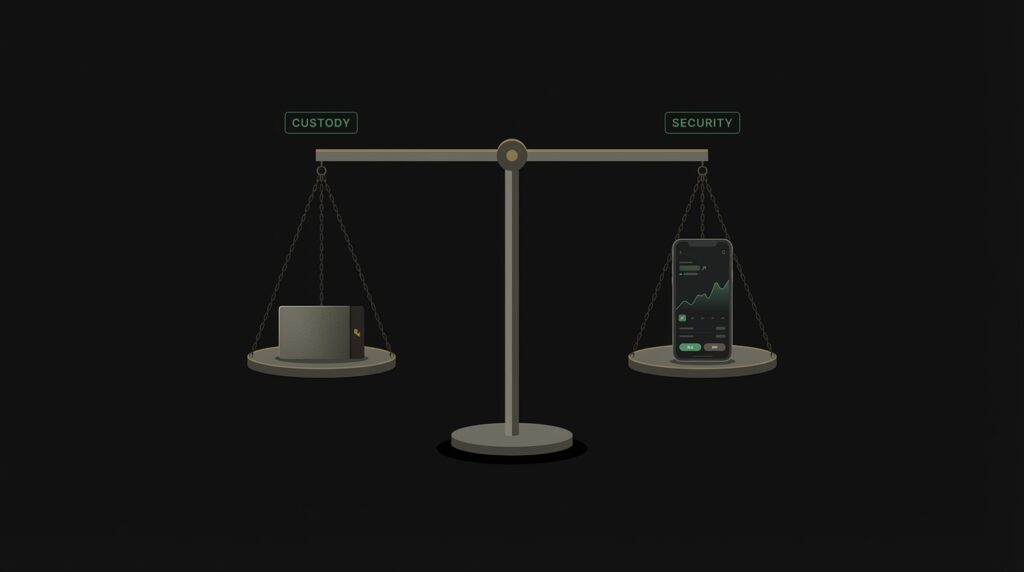
We focus on five practical areas to check: custody model, authentication, audits and code review, insurance, and regulatory disclosures. Use the checklist and primary sources we reference to verify claims before you move larger balances.
What safety means for a crypto trading app
Definitions: custody, custody model, and safety
The phrase best app for trading cryptocurrency should not be read as a one size fits all label. Safety for a crypto trading app depends on how assets are held, how keys and accounts are protected, and what financial protections the provider offers. For many users, the custody model is the single most important factor because it determines whether a platform, or you, control the private keys that move funds.
Custody comes in two basic forms. In self custody you control the private keys and bear the operational responsibility to back them up and secure them. In custodial services a company holds keys on your behalf and operates infrastructure like hot wallets and cold storage. Each model shifts different kinds of risk to the user or to the provider.
Compare app security before you fund an account
Use the checklist in this article to compare apps side by side before you move larger balances.
Regulatory and technical context (best app for trading cryptocurrency)
International guidance and national standards help set expectations for safe custody and identity controls. For example, global expectations for risk based controls for virtual asset providers are stated in FATF guidance and are widely used as a reference point when evaluating an app’s processes and disclosures FATF guidance. National standards and legal analysis also shape implementation in different jurisdictions Foley guidance.
Technical identity and authentication standards also matter. Recommended approaches for multi factor authentication and verifier management follow established identity guidance that many custodians cite when describing their controls NIST SP 800-63B. These standards are useful because they tell you what kinds of authentication reduce account takeover risk.

Even with standards and guidance, crime and hacks remain a real part of the landscape. Industry reporting shows continued losses from hacks and scams that keep pressure on apps to improve controls and for customers to treat insurance or audits as partial protections rather than absolute guarantees Chainalysis crypto crime report.
In the United States, regulators have also sharpened expectations about custody, segregation, and disclosure. SEC staff guidance highlights the need for clear custody arrangements and audits for platforms that custody digital asset securities, which has increased disclosure expectations since 2022 SEC staff statement. The topic of crypto-asset safekeeping is also addressed in interagency guidance crypto-asset safekeeping.
A five-point framework to evaluate the security of a crypto trading app
1 Custody model and segregation
Start by confirming how the app holds assets. Does it offer self custody tools or does it operate custodial wallets? If custodial, look for explicit statements about asset segregation and what portion of customer funds are kept offline in cold storage. Clear custody descriptions help you understand counterparty exposure.
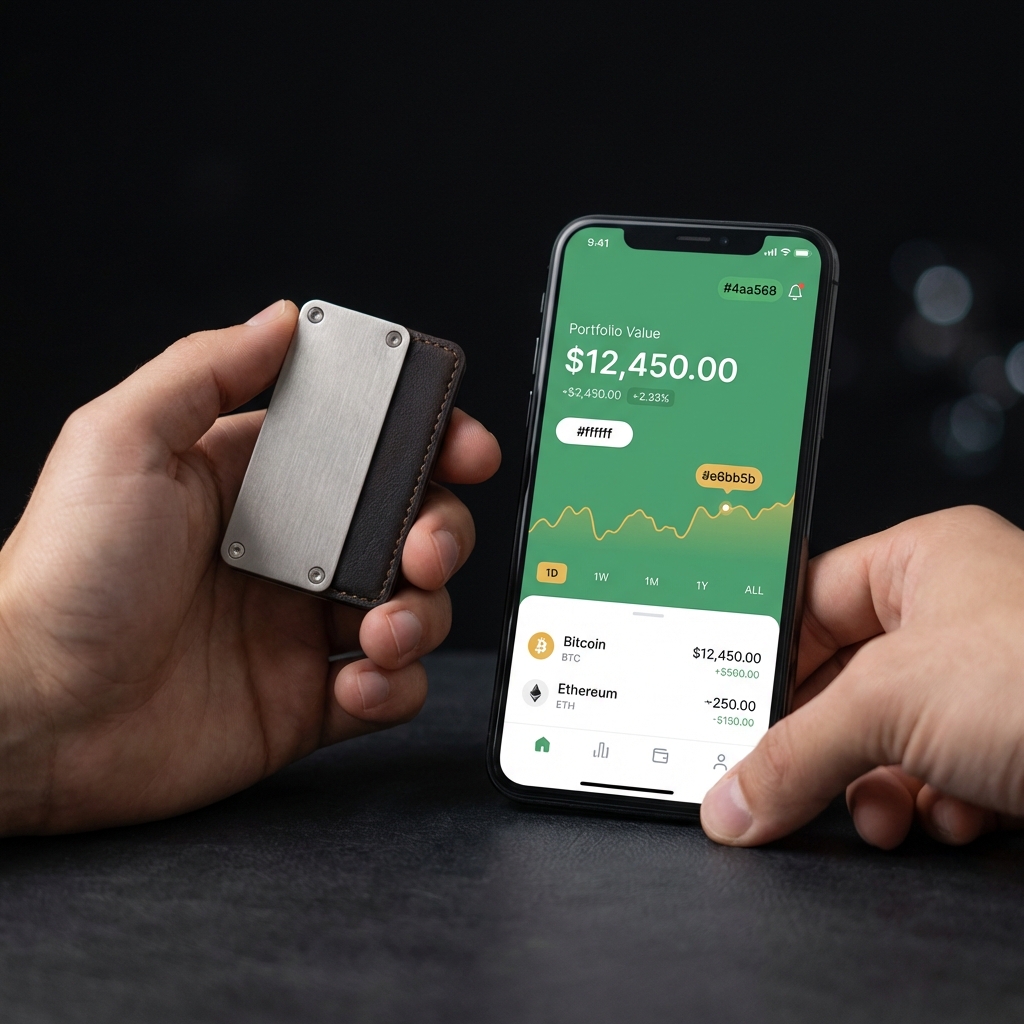
Practical checks: find the security or custody page and look for language about cold storage, hardware security modules, and whether customer assets are segregated from corporate operating accounts. A platform that describes segregation and cold storage gives you verifiable statements to compare.
2 Authentication and key management
Evaluate the app’s authentication options. Prefer mandatory or strongly encouraged multi factor authentication and support for hardware backed keys where possible. NIST guidance shows how multi factor approaches reduce credential theft and account takeover risk NIST SP 800-63B.
Ask whether the app supports hardware security modules for custodial key management and whether users can enable hardware-backed keys or wallet connections. These controls limit some remote attack vectors by keeping private keys off general purpose devices. See vendor guidance on treasury and custody practices for more on cold storage and HSMs BitGo guide.
3 Audits and code review
Third party audits and code reviews improve transparency but vary in scope. Look for SOC or ISO reports and clear statements about whether smart contracts or client apps were reviewed, and how frequently reviews occur. A clean audit increases confidence but does not remove operational or insider risks.
When reading claims about audits, verify whether the company links to a full report or a summary and note the audit date and scope. Frequent, independent reviews that include both infrastructure and code are more informative than a single dated statement.
4 Insurance and financial protections
Many custody providers carry some form of insurance, but policies often include caps, conditions, and exclusions that limit when a payout will occur. Treat insurance as one layer of protection and not as a complete safety guarantee Chainalysis crypto crime report.
When evaluating policies, check for clear language about coverage limits, what incidents are covered, and whether insider malfeasance or regulatory failures are excluded. If a provider claims insurance, find the insurer or a policy summary and verify the coverage terms where possible.
5 Regulatory and disclosure practices
Regulatory posture and disclosure matter. Platforms that publish clear custody statements, audit summaries, and regulatory filings give users more to verify. Regulators in several jurisdictions emphasize segregation, audits, and disclosure as foundational controls SEC staff statement.
Compare disclosures across providers for consistency. A provider that offers detailed security documentation and links to primary sources will usually make comparison easier than one that only uses marketing language.
Custody models: self-custody versus custodial platforms and the tradeoffs
When self-custody reduces counterparty risk
Self custody reduces your counterparty exposure because you control the private keys. That can lower the risk of losses if a custodian becomes insolvent or is compromised. But self custody requires operational skills: secure backups, safe storage, and protection against physical loss or theft.
For many users, self custody is appropriate for long term holdings they do not need to access frequently. If you choose self custody, use hardware wallets or well understood key management patterns and store recovery phrases securely away from your daily devices.
When a custodial platform can be appropriate
Custodial platforms can be a reasonable choice for users who trade frequently or prefer an app to handle keys and recovery. The convenience of custodial services comes with counterparty risk, so evaluate whether the provider uses segregation, cold storage, and documented recovery protocols.
Check custody disclosures, insurance summaries, and audit statements before trusting larger balances to a custodial provider. Also consider whether local laws make it easier to pursue redress or whether the provider publishes proof points about asset segregation and controls SEC staff statement. For more on exchange and affiliate programs, see related coverage on the site crypto exchange affiliate programs.
Safety depends on custody model, authentication, audits, insurance limitations, and how well the provider discloses those details; match the app to your need for convenience versus control and verify claims with primary sources.
Deciding between self custody and custodial services depends on your comfort with operational risk and how often you need liquidity. Try small amounts first to confirm processes like withdrawals and recovery.
Authentication and key management: the technical controls that matter
Multi-factor authentication and NIST guidance
Prefer apps that support multi factor authentication options aligned with modern guidance. Strong MFA methods typically combine something you know with something you have, and guidance from identity standards helps explain which combinations are safer NIST SP 800-63B.
Avoid relying solely on SMS for account protection when alternatives like app based authenticators or hardware tokens are available. Better options reduce exposure to SIM swapping and other remote attacks.
Hardware-backed keys and HSMs
Hardware-backed keys and hardware security modules are defensive controls both for providers and for self custody users. When a provider uses HSMs or keeps a portion of funds in cold storage, they reduce the attack surface for online theft.
If an app supports connecting a hardware wallet or using hardware-backed authentication, it offers a stronger option for securing high value holdings or accounts with frequent trading permissions.
Recovery and key backup practices
Recovery mechanisms are the flip side of security. Simple recovery processes that compromise security can create weak points, while complex recovery can lock you out. Balance usability and protection by using tested recovery processes and by minimizing how many people know your recovery phrase.
Document your backup strategy and test recovery steps with small transfers before moving significant balances. Confirm whether a custodial provider offers account recovery support and understand the verification steps they require.
Audits, code review, and transparency: reading third-party security reports
Types of audits and what they actually cover
SOC and ISO reports, security audits, and code reviews are different types of assessments. SOC and ISO focus on processes and controls while code reviews inspect software for vulnerabilities. When a provider cites a SOC or ISO statement, check whether the report covers custody systems specifically or only general corporate controls.
Look for the audit scope, the auditor’s identity, and whether the provider shares a full report or a summarized statement. Frequent and clear audits are more useful than a single publicized certification.
Limitations: what audits do not guarantee
Even thorough audits do not eliminate all risk. Audits can be limited in scope or time bound, and they do not prevent insider malfeasance or future operational failures. Treat audit claims as useful but not infallible evidence of safety company security disclosures.
Check the audit date and whether follow up reviews are scheduled. If a provider publishes only headline claims without links to reports or summaries, take that as a signal to ask for more details before depositing large amounts.
Questions to ask about audit scope and frequency
Ask whether audits include infrastructure, hot and cold wallet processes, and any smart contract code used by the app. Also ask how often those audits run and whether independent penetration tests are conducted.
Good audit disclosures name the independent reviewers and provide at least a summary of findings and remediation timelines. If those details are missing, consider that a transparency gap.
Insurance and financial protections: how to interpret policies
Typical coverage, caps, and exclusions
Insurance on custodial platforms is real but often limited. Policies may cover specific theft scenarios but include caps and exclusions that reduce the payout certainty. Insurance should be one factor in your assessment and not the deciding factor alone Chainalysis crypto crime report.
Common exclusions include insider malfeasance, certain operational failures, or regulatory enforcement actions. Coverage caps may limit recoveries for large losses, so look for policy summaries that describe limits and exclusions clearly.
How to verify insurance claims
Verify insurance by looking for a named insurer or policy summary linked from the provider’s security or legal pages. If a provider cannot name the insurer or provide a policy summary, treat the claim with caution.
Where possible, find independent confirmation such as a public policy summary or an insurer statement. If that is not available, consider relying on technical controls and segregation more than on insurance alone.
How insurance fits into your risk picture
Use insurance as one layer among many. Strong custody practices, good authentication, and regular audits together reduce the probability of a loss. Insurance can help after a loss but does not replace rigorous operational controls.
Common mistakes and red flags when choosing a crypto app
Overreliance on marketing or headline claims
A common mistake is to assume marketing phrases like insured or audited mean full protection. Those phrases need verification. Look for linked policy summaries and audit reports rather than badges or marketing text.
Another red flag is the absence of clear custody language. If a provider does not explain whether it holds keys, how it segregates assets, or where audits are focused, that opacity is a reason to pause and ask questions.
A short security checklist to verify a crypto app before depositing funds
Keep copies of verified disclosures
Ignoring jurisdiction and custody disclosures
Jurisdiction matters because local laws shape custody responsibilities and user recourse. Missing or vague jurisdictional disclosures can make it hard to assess the provider’s legal obligations and solvency protections.
Also watch for vague audit claims. If a company mentions an audit but does not provide scope or the auditor identity, that is a practical red flag that requires follow up.
Assuming insurance or audits cover every scenario
Assuming insurance solves all risk is a mistake. Insurance often excludes insider actions or certain operational failures and may have caps that leave customers exposed for large losses. Treat insurance as part of a layered defense, not a single solution company security disclosures.
Quick verification steps include checking the security page, finding named auditors and insurers, and testing withdrawal and recovery processes with small amounts.
Practical scenarios: which app features matter for different users
Casual or occasional traders
Casual traders who buy small amounts infrequently typically need convenience and clear custody disclosures. For them, basic MFA, clear withdrawal limits, and a transparent security page that explains custody and insurance are the minimum checks.
Advice for casual users: use an app with clear documentation, enable strong authentication, and only keep trading amounts on the platform. Move larger holdings to self custody or another protected storage method.
Active traders who need speed and liquidity
Active traders prioritize speed and liquidity, which often requires keeping funds on an exchange. For these users, prioritize providers with strong segregation practices, rapid withdrawal controls with mandatory MFA, and frequent audits to reduce operational surprises.
Active traders should also confirm withdrawal controls, session management, and whether the platform supports hardware tokens for account protection.
Long-term holders and security-focused users
Long term holders usually prioritize custody controls, clear segregation, and options to move funds into self custody. For them, hardware wallets and cold storage options reduce online exposure and are often the right balance for holding assets long term.
Long term holders should document recovery steps, test them with small transfers, and rarely rely on exchange insurance as the primary protection for large positions.
A simple checklist and next steps to compare apps
Quick checklist to use when evaluating apps
Use this short checklist before you fund an account: confirm custody model and segregation, verify MFA and hardware key support, find and read audit summaries, check for an insurer or policy summary, and confirm jurisdiction and customer protections.
When you compare providers, keep primary sources for each claim: link to the provider’s custody page, the named auditor or report, the insurer or policy summary, and any regulatory filings that apply. Start with the provider’s site such as the homepage Finance Police when collecting links to primary sources.
Where to verify claims and find primary sources
Primary sources to consult include FATF guidance for risk based expectations, NIST identity guidance for authentication specifics, SEC staff statements on custody for U.S. contexts, and company security pages for operational controls FATF guidance.
Finally, always start with small deposits while you verify account setup, withdrawal flows, and recovery procedures. Ongoing monitoring of disclosures and periodic checks of audit and insurance updates can reduce surprises over time.
Self custody reduces counterparty risk but requires you to manage backups and security. Custodial apps offer convenience and recovery support but add counterparty and operational risks; match the choice to your comfort with technical responsibility.
No. Insurance can be helpful but often has caps and exclusions. Treat insurance as one layer among custody controls, authentication, and audits rather than as a complete guarantee.
Confirm the custody model and read the provider's custody disclosures and security page, then enable strong multi factor authentication and test withdrawals with a small amount.
If you are new to crypto, start small, read the provider's primary disclosures, and treat this guide as a starting point for verification rather than a definitive ranking.
References
- https://www.fatf-gafi.org/media/fatf/documents/recommendations/RBA-virtual-assets-vasps.pdf
- https://pages.nist.gov/800-63-3/sp800-63b.html
- https://blog.chainalysis.com/reports/crypto-crime-2024/
- https://www.sec.gov/news/public-statement/digital-asset-custody-staff-statement
- https://www.coinbase.com/security
- https://financepolice.com/advertise/
- https://financepolice.com/
- https://financepolice.com/category/crypto/
- https://financepolice.com/crypto-exchange-affiliate-programs-to-consider-heres-what-you-need-to-know/
- https://www.foley.com/insights/publications/2026/01/crypto-asset-strategy-for-corporate-legal-leaderswhat-clos-and-gcs-should-know-and-do-in-2026/
- https://www.fdic.gov/interagency-statement-crypto-asset-safekeeping.pdf
- https://www.bitgo.com/resources/blog/crypto-treasury-management-guide/
0
0


 Beheer al jouw cryptovaluta, NFT en DeFi vanaf één plek
Verbind de portfolio die je gebruikt veilig om te beginnen.

0
0

0
0

0
0
