
Asia refining cuts deepen on Iran war, fuel supply concerns rise

0
0
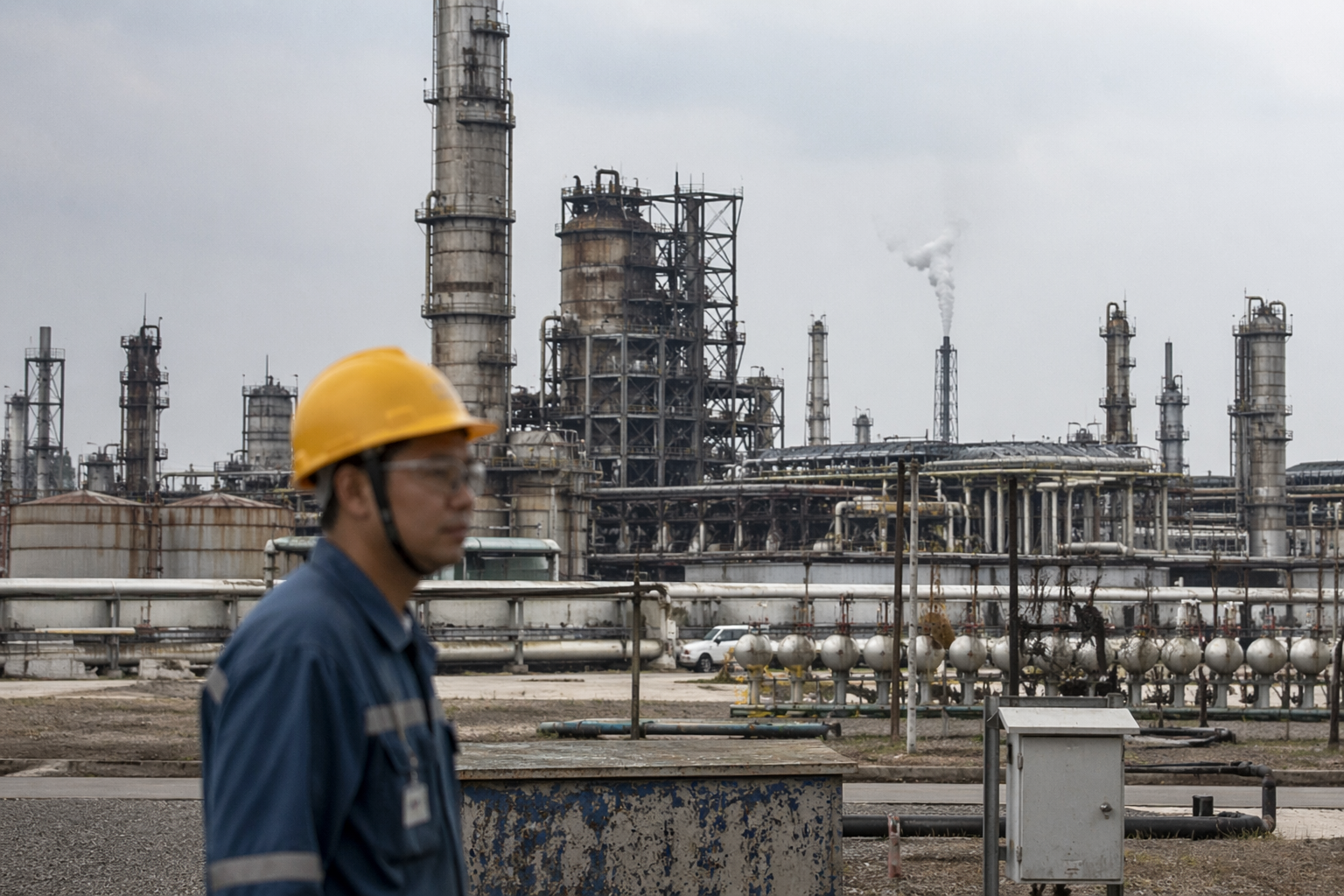
Asian refining throughput is expected to fall significantly in April and May as crude imports drop to a 10-year low and refiners shift to lighter crude grades, reducing diesel and jet fuel output.
The region, which accounts for 37% of global refining output and typically sources around two-thirds of its crude from the Middle East, has been severely impacted by the closure of the Strait of Hormuz.
This disruption has forced refiners to cut processing rates, tightening fuel supply and keeping prices elevated.
Crude imports hit decade-low levels
Provisional data from Kpler showed that crude imports into Asia are set to decline by 22% year-on-year to 20.4 million barrels per day (bpd) in April, marking the lowest level since 2016.
This comes despite refiners purchasing sanctioned Iranian and Russian oil and paying record premiums for alternatives to Middle Eastern supply.
The International Energy Agency (IEA) reported that refinery runs in Asia fell by 2.7 million bpd to 29.4 million bpd in March.
Runs are expected to decline further to 28.6 million bpd in April and 28.5 million bpd in May.
Consultancy Energy Aspects projected processing rates to drop to 28.4 million bpd in April before recovering slightly to 28.7 million bpd in May, down from 30.4 million bpd in March.
“The deepest run cuts will occur in April as Middle East crude supply shortfall persisted, while alternative barrels will only arrive from this week onwards,” said Amir Abu Hassan, senior oil analyst at consultancy FGE NexantECA, as cited in a Reuters report.
Refinery cuts intensify across key Asian markets
China, the world’s largest refining hub, has reduced fuel exports to safeguard domestic supply.
The IEA estimated Chinese refinery throughput at 14 million bpd in March, down from 15.2 million bpd in February and an average of 14.8 million bpd for 2025.
Horizon Insight data showed China’s throughput fell further to 13.4 million bpd in the week to April 17, compared to 15.4 million bpd before the conflict began on February 28.
In Japan, refineries are currently operating at approximately 68% capacity, according to Petroleum Association of Japan.
Shift to lighter crude alters output mix
According to Vortexa, nearly 12 million bpd of crude was unable to reach Asia in March due to the Strait of Hormuz disruption, with around 8 million bpd consisting of medium-sour grades typically used to maximise diesel output.
To compensate, refiners have increased purchases of lighter crude grades such as West Texas Intermediate, CPC Blend, and West African oil, which yield more gasoline and naphtha.
The share of light-sweet crude in Asia’s imports rose to a record 21% for April-loading cargoes, up from 11% in February.
Diesel and jet fuel output declines
The shift to lighter crude has reduced production of middle distillates.
“Middle East crudes typically produce 60% middle distillates, compared with about 40% for WTI,” said Vortexa analyst Emma Li, as reported by Reuters.
Rystad Energy’s Prakash estimated that a 1% to 2% drop in yields across Asia’s refining system could cut diesel and jet fuel supply by 250,000 to 500,000 bpd.
Combined with export restrictions and reduced refinery runs, total supply losses could reach around 1 million bpd in the near term.
Kpler’s Sumit Ritolia estimated even higher losses, placing total middle distillate supply declines between 1.8 million and 2.0 million bpd in April, mostly diesel.
Ritolia added that the shift to lighter crude will also reduce utilisation of secondary refining units such as cokers and hydrocrackers, further limiting diesel output.
The post Asia refining cuts deepen on Iran war, fuel supply concerns rise appeared first on Invezz
0
0


 한 곳에서 모든 암호화폐, NFT 및 DeFi 를 관리하세요
시작하는 데 사용하는 포트폴리오를 안전하게 연결하세요.


