
Oil plunges below $100 as Iran blinks on Strait of Hormuz

0
0
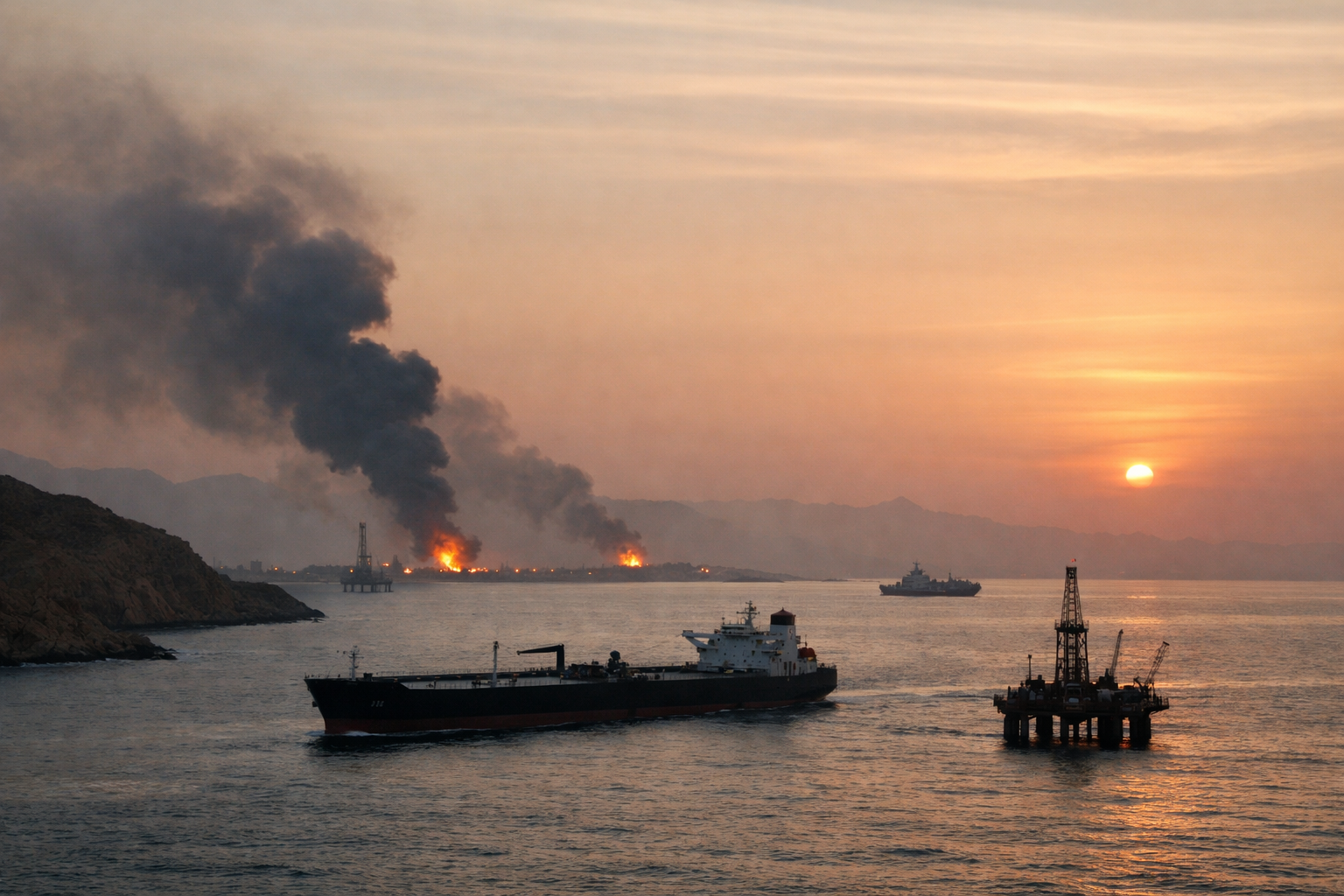
Oil prices tumbled below $100 a barrel on Wednesday after Iran agreed to a provisional two-week ceasefire and moved to reopen the Strait of Hormuz.
The development triggered a sharp relief rally across global markets after days of panic over a possible long-lasting supply shock.
Brent crude, which had surged above $110 during the crisis, fell steeply into the low-to-mid $90s.
At press time, the WTI futures for May 2026 were also trading around the $95 level.
The move matters for consumers and policymakers alike, as oil had become a fresh inflation threat just as many economies were already struggling with slower growth.
Oil prices: From panic to pullback
The pullback in oil prices followed several days of intense tension, as US President Donald Trump set a firm Tuesday deadline for Iran, warning that failure to comply could trigger major military strikes.
In the lead-up, Trump adopted an increasingly hard line, threatening to target critical infrastructure, including power plants and bridges, if Tehran did not reopen the Strait of Hormuz.
Iran was the first one to blink, and both nations agreed on a conditional two-week ceasefire, tied to the immediate reopening of the Strait of Hormuz.
Iran signaled it would allow safe passage through the waterway during the temporary truce, easing fears of an extended disruption to Gulf energy flows.
That did not mean confidence had returned.
It meant traders were stripping out some of the extreme war-risk premium that had built up when crude oil spiked above $110, and at one point, physical barrels were trading at levels close to $150.
The Strait of Hormuz is critical because roughly a fifth of the global oil supply passes through the narrow waterway.
Even the threat of disruption is enough to send futures soaring, shipping costs higher, and fuel markets into turmoil.
Below $100 is not back to normal
For investors, businesses, and households, the key question is not the pullback in oil prices but when things will go back to normal.
Oil below $100 sounds like a return to normality, but it is better understood as a market exhale.
The ceasefire is temporary, lasting only two weeks, and broader negotiations remain uncertain.
As per the reports, the talks are expected to begin in Pakistan, but deeper disputes over security guarantees, future US action, and wider regional tensions are still unresolved.
So while the latest drop may reduce some immediate pressure on inflation and fuel bills, the geopolitical risk premium has not vanished.
The market has stepped back from the brink, but it has not reached safety. For now, crude traders are betting that the worst has been postponed.
The post Oil plunges below $100 as Iran blinks on Strait of Hormuz appeared first on Invezz
0
0
 从同一位置管理所有加密资产、NFT 和 DeFi 资产
安全地关联您正在使用的投资组合,以开始交易。