


0
0
BitcoinWorld
Explosive Clash: Lummis and White House Deadlocked Over Crucial Crypto Bill Ethics Rule
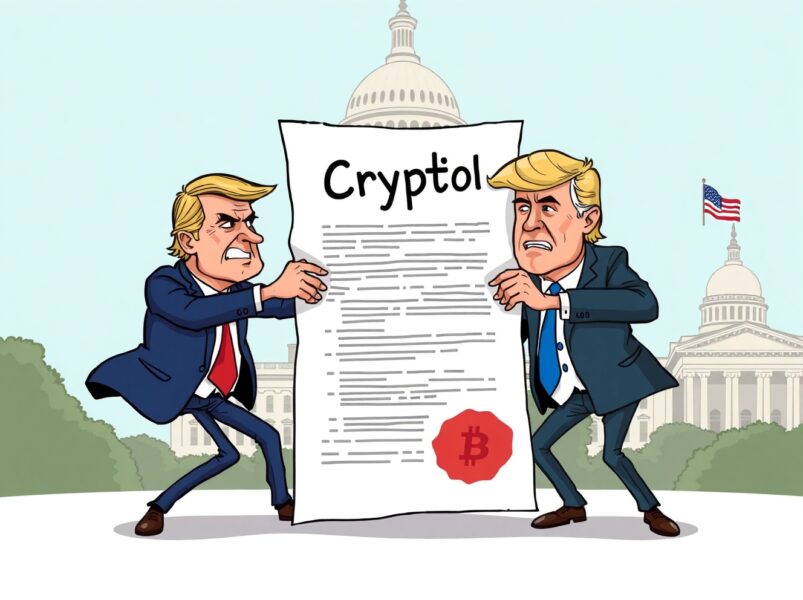
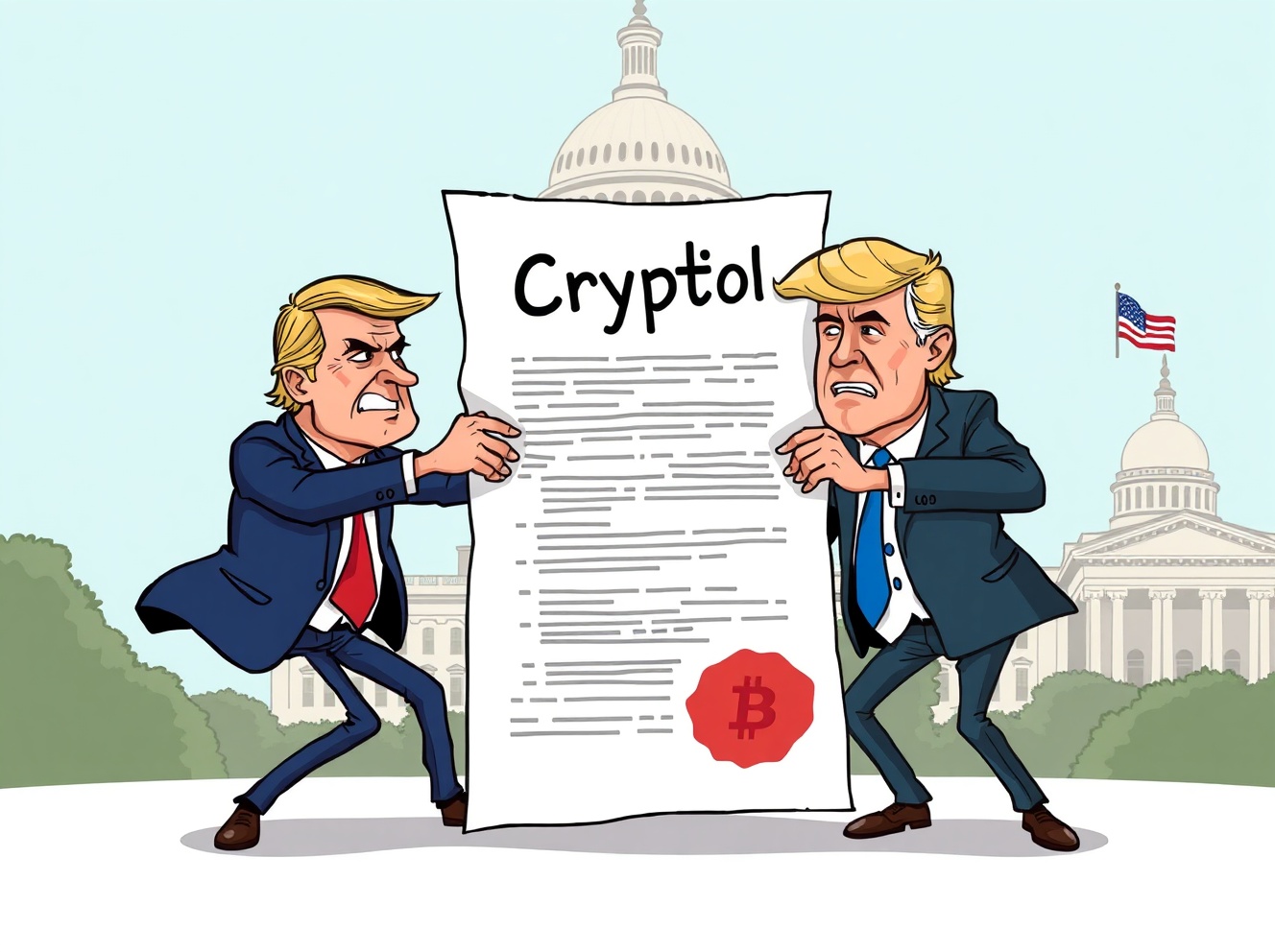
A high-stakes political battle is unfolding in Washington, and the future of U.S. cryptocurrency regulation hangs in the balance. Pro-crypto Senator Cynthia Lummis finds herself locked in difficult negotiations with the White House over a pivotal crypto bill. The core disagreement? A potentially explosive ethics clause that could prevent government officials from trading digital assets they oversee. This impasse highlights the complex challenge of creating clear rules for a rapidly evolving industry.
According to reports from CoinDesk, negotiations have reached a critical impasse. Senator Lummis is championing a strict provision within the broader crypto bill that would block senior officials from personally profiting from the cryptocurrency sector they help regulate. The goal is clear: to prevent conflicts of interest and build public trust in the regulatory process. However, the White House reportedly views this proposal with significant skepticism, creating a major roadblock.
The tension stems from the clause’s potential implications. Media reports suggest the disagreement is particularly thorny because it indirectly involves figures from the previous administration, including former President Donald Trump and his associates. This historical context adds a layer of political complexity to what is already a technically challenging legislative effort.
This isn’t just political theater. The outcome of this debate over the crypto bill carries real weight for investors and companies. Clear, fair regulation is widely seen as the missing piece needed for mainstream institutional adoption of digital assets. A strong ethics clause could signal a commitment to a transparent and stable regulatory environment. Conversely, a weakened or removed clause might raise concerns about insider advantages and regulatory capture.
Finding common ground will require compromise from both sides. Senator Lummis may need to adjust the scope or specifics of the ethics provision. Meanwhile, the White House might need to articulate clearer safeguards it would accept to achieve its policy goals. The path forward likely involves:
The deadlock over this crypto bill provision is a microcosm of the larger struggle to govern Web3 technologies with Web2-era political frameworks. The core question remains: can the U.S. political system craft rules that are both effective and equitable for a decentralized future?
While the political process grinds on, the market watches closely. Regulatory clarity reduces uncertainty, which is often a catalyst for growth. Therefore, any progress on the comprehensive crypto bill, ethics clause included, should be viewed as a positive long-term signal. However, investors should prepare for continued volatility as these high-level debates continue to influence market sentiment. The key takeaway is that the push for definitive U.S. cryptocurrency regulation is active, complex, and fraught with political challenges that extend far beyond technology.
What is the main point of disagreement in the crypto bill?
The central conflict is over an ethics clause proposed by Senator Lummis that would prevent senior government officials from trading or profiting from cryptocurrencies they regulate. The White House opposes this specific provision.
Why does the White House oppose the ethics clause?
While not stated explicitly in reports, the skepticism likely relates to the clause’s breadth, enforceability, and its perceived connection to officials from the previous administration, making it a politically sensitive issue.
How would this crypto bill affect the average investor?
A passed bill with clear rules, including strong ethics standards, could lead to a more stable and trustworthy market, potentially encouraging more institutional investment and consumer protection.
Has Senator Lummis proposed crypto legislation before?
Yes. Senator Lummis is a leading advocate in the Senate for comprehensive cryptocurrency regulation and has previously co-sponsored the Responsible Financial Innovation Act, aiming to create a full regulatory framework for digital assets.
What happens if they can’t agree on the ethics clause?
The entire bill could be delayed or fail. Alternatively, the ethics provision could be removed or heavily diluted to secure enough votes for passage, which would be a significant setback for its proponents.
Is this the only cryptocurrency bill being discussed in Congress?
No. Several bills addressing different aspects of crypto regulation, from stablecoins to market structure, are circulating in both the House and Senate. This bill is one of the most comprehensive efforts.
Found this breakdown of the Washington crypto clash helpful? The debate over regulation affects everyone in the digital asset space. Share this article on Twitter or LinkedIn to keep your network informed about the policies shaping the future of cryptocurrency.
To learn more about the latest cryptocurrency regulatory trends, explore our article on key developments shaping Bitcoin and Ethereum price action and institutional adoption.
This post Explosive Clash: Lummis and White House Deadlocked Over Crucial Crypto Bill Ethics Rule first appeared on BitcoinWorld.
0
0
 从同一位置管理所有加密资产、NFT 和 DeFi 资产
安全地关联您正在使用的投资组合,以开始交易。



