
Indian Rupee Slides as Foreign Investors Exit and Oil Costs Climb

0
0
BitcoinWorld
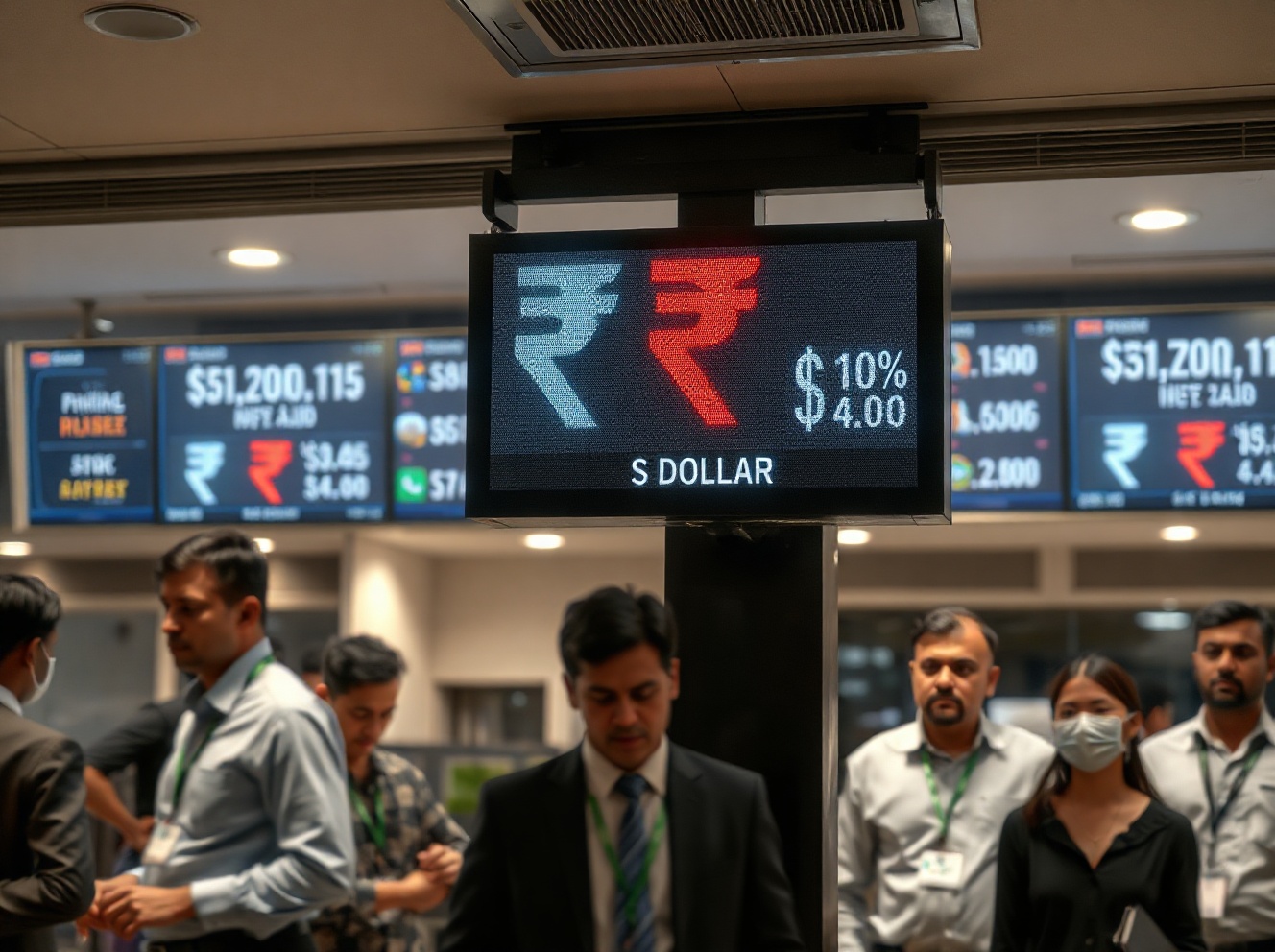
Indian Rupee Slides as Foreign Investors Exit and Oil Costs Climb
The Indian Rupee has come under renewed pressure this week, weakening against the US Dollar as foreign institutional investors (FIIs) continue to pull capital out of domestic markets and as global crude oil prices climb. The currency’s slide reflects a convergence of external headwinds that are testing the resilience of India’s forex reserves and monetary policy framework.
What Is Driving the Rupee’s Decline?
Data from the National Securities Depository Limited (NSDL) shows that FIIs have sold over $2.5 billion in Indian equities and debt in the past two weeks. This sustained selling spree has increased demand for the US Dollar, putting downward pressure on the Rupee. Simultaneously, Brent crude oil prices have risen above $85 per barrel, raising concerns about India’s import bill. India meets roughly 85% of its oil demand through imports, making the economy particularly sensitive to crude price movements.
Market Reaction and Timeline
The Rupee opened at 83.45 against the Dollar on Monday and has since slipped past the 83.70 mark, a level not seen since mid-2024. The Reserve Bank of India (RBI) is widely believed to have intervened through state-run banks to curb excessive volatility, but the selling pressure has proven persistent. Traders report that the central bank’s intervention has been measured, aimed at smoothing volatility rather than defending a specific level.
Why This Matters for the Broader Economy
A weaker Rupee increases the cost of imported goods, from crude oil to electronics and machinery. This can feed into domestic inflation, potentially complicating the RBI’s monetary policy stance. For consumers, a falling Rupee means higher prices for fuel and imported consumer goods. For businesses, it raises input costs and squeezes margins, particularly for companies with significant foreign currency debt.
What Analysts Are Saying
Market analysts point to a combination of global and domestic factors. The US Federal Reserve’s signal of higher-for-longer interest rates has strengthened the Dollar globally, while India’s trade deficit has widened due to rising oil imports. “The Rupee’s depreciation is largely a function of external factors,” said a senior forex strategist at a Mumbai-based brokerage. “The RBI has the tools to manage volatility, but structural pressures from FII outflows and oil prices will likely persist in the near term.”
Conclusion
The Indian Rupee’s decline is a direct result of dual pressures: sustained selling by foreign investors and rising crude oil prices. While the RBI’s intervention has prevented a sharper fall, the currency remains vulnerable to global market sentiment and commodity price movements. For Indian businesses and consumers, the immediate impact will be felt through higher import costs and potential inflationary pressure. The coming weeks will be crucial in determining whether the Rupee stabilizes or continues its downward trajectory.
FAQs
Q1: Why does FII selling affect the Indian Rupee?
When foreign investors sell Indian assets, they convert Rupees into Dollars to repatriate funds. This increases demand for the Dollar and supply of the Rupee, causing the Rupee to depreciate.
Q2: How do rising oil prices impact the Rupee?
India imports most of its crude oil. Higher oil prices increase the country’s import bill, requiring more Dollars to pay for the same volume of oil. This puts downward pressure on the Rupee.
Q3: Can the RBI stop the Rupee from falling?
The RBI can intervene by selling Dollars from its forex reserves to support the Rupee. However, it typically aims to manage volatility rather than target a specific exchange rate level.
This post Indian Rupee Slides as Foreign Investors Exit and Oil Costs Climb first appeared on BitcoinWorld.
0
0

 从同一位置管理所有加密资产、NFT 和 DeFi 资产
安全地关联您正在使用的投资组合,以开始交易。


