
Dow Jones Futures Rise as Cooling Inflation Eases Fed Rate Hike Concerns

0
0
BitcoinWorld
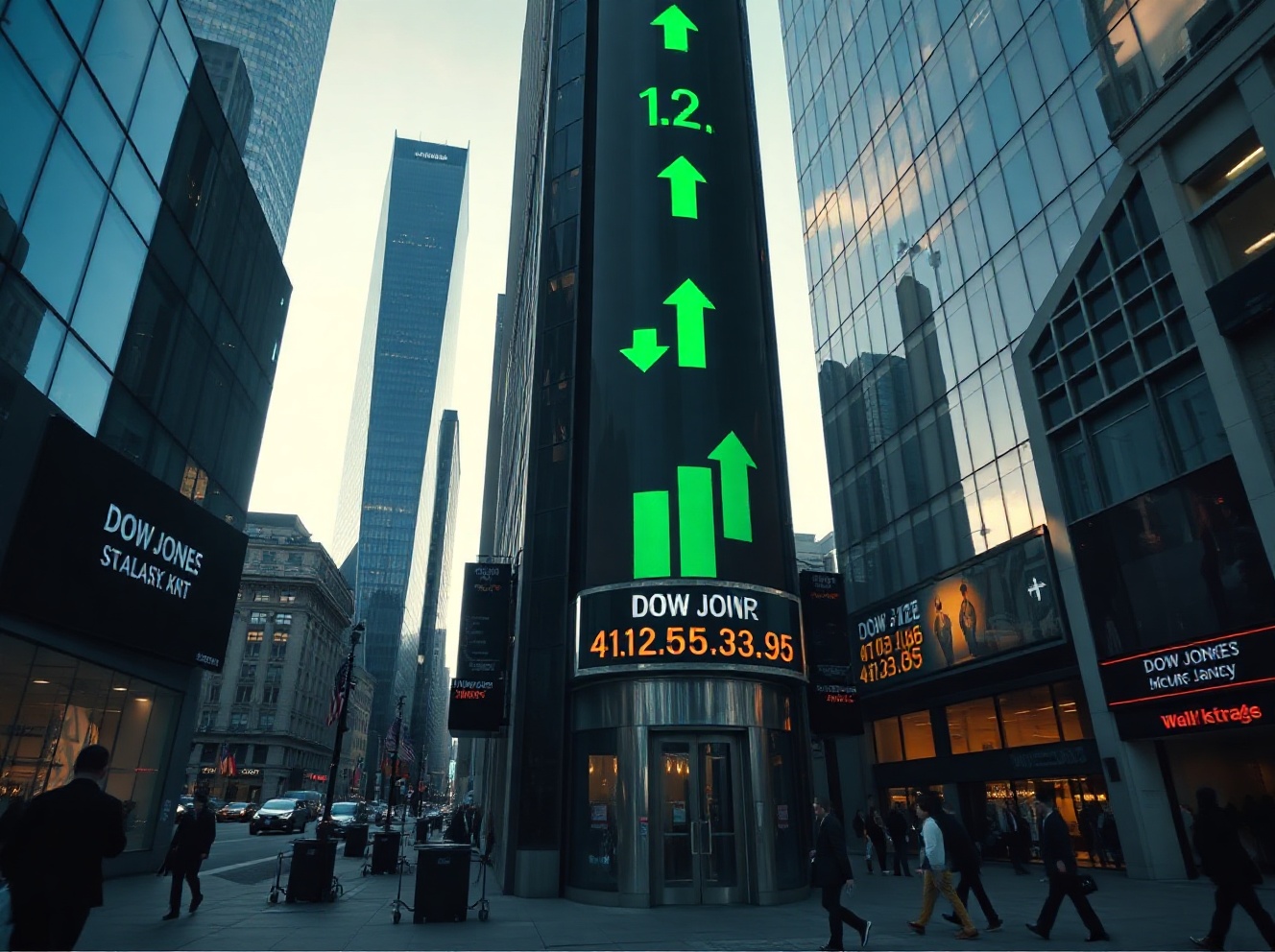
Dow Jones Futures Rise as Cooling Inflation Eases Fed Rate Hike Concerns
Dow Jones futures pointed higher in early trading as fresh inflation data came in cooler than expected, reducing the likelihood of further aggressive Federal Reserve rate hikes. The move reflects growing investor optimism that price pressures are finally easing, potentially paving the way for a less restrictive monetary policy stance in the coming months.
What the Latest Inflation Data Shows
The consumer price index (CPI) for the latest reporting month rose at a slower pace than economists had forecast, according to the Bureau of Labor Statistics. Core inflation, which excludes volatile food and energy prices, also moderated, suggesting that underlying price pressures are beginning to cool. This marks the third consecutive month of easing inflation, a trend that could influence the Fed’s decision-making at its next policy meeting.
Market participants now see a higher probability that the central bank will hold rates steady rather than hike further. Futures markets are pricing in a pause at the next Federal Open Market Committee (FOMC) meeting, with some traders even betting on rate cuts by early next year. The shift in expectations has lifted equity futures and weighed on Treasury yields, particularly at the short end of the curve.
Market Reaction and Sector Performance
Across the board, stock futures rose, with technology and growth stocks leading the gains. These sectors are particularly sensitive to interest rate expectations because higher rates discount future earnings more heavily. The Nasdaq 100 futures climbed more than 1%, while S&P 500 futures added about 0.8%. Dow Jones futures gained roughly 200 points, or 0.6%, in early trading.
Rate-sensitive sectors such as real estate and utilities also saw notable strength. Conversely, financial stocks were mixed, as lower rates can compress net interest margins for banks. Energy futures were slightly lower, tracking a dip in crude oil prices, which have also contributed to the overall inflation slowdown.
Why This Matters for Investors
The cooling inflation data is a welcome sign for households and businesses that have faced elevated costs over the past two years. For investors, it reduces the risk of the Fed overtightening and tipping the economy into a recession. However, policymakers have repeatedly stressed that they need to see sustained evidence of disinflation before altering their stance. The upcoming jobs report and next CPI release will be critical in confirming whether the trend continues.
Market strategists caution that while the immediate reaction is positive, volatility could persist. The Fed has been data-dependent, and any surprise in future data could quickly shift expectations. Still, the current trajectory suggests that the peak of the rate-hiking cycle may be near, which historically has been a positive signal for equity markets over a 6-12 month horizon.
Conclusion
In summary, Dow Jones futures are higher as cooling inflation reduces the need for further Fed rate hikes. The data provides some relief to markets and consumers alike, but the path ahead remains uncertain. Investors should watch upcoming economic releases and Fed communications for clues about the future policy path. The key takeaway is that the market is cautiously optimistic, but not yet convinced that the fight against inflation is over.
FAQs
Q1: What does ‘cooling inflation’ mean for the average consumer?
Cooling inflation means the rate at which prices are rising is slowing. While prices are still increasing, they are doing so at a slower pace, which can ease pressure on household budgets and potentially slow the pace of interest rate increases.
Q2: How does inflation data affect the stock market?
Inflation data influences Federal Reserve policy. If inflation is high, the Fed may raise rates to cool the economy, which can hurt stock prices. Conversely, lower inflation can reduce the need for rate hikes, often boosting stock prices as investors anticipate a more accommodative policy.
Q3: What is the Federal Reserve’s target inflation rate?
The Federal Reserve targets a 2% inflation rate as measured by the Personal Consumption Expenditures (PCE) price index. The CPI is another key measure, but the Fed prefers PCE for its policy decisions.
This post Dow Jones Futures Rise as Cooling Inflation Eases Fed Rate Hike Concerns first appeared on BitcoinWorld.
0
0

 한 곳에서 모든 암호화폐, NFT 및 DeFi 를 관리하세요
시작하는 데 사용하는 포트폴리오를 안전하게 연결하세요.


