
US Halts Airstrikes on Iran: A Fragile Ceasefire Takes Hold in Tense Region

0
0
BitcoinWorld
US Halts Airstrikes on Iran: A Fragile Ceasefire Takes Hold in Tense Region
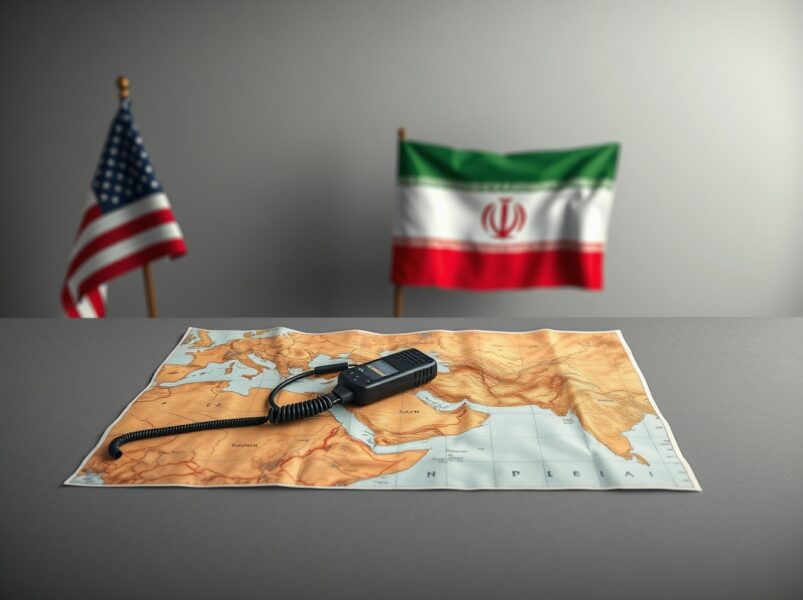
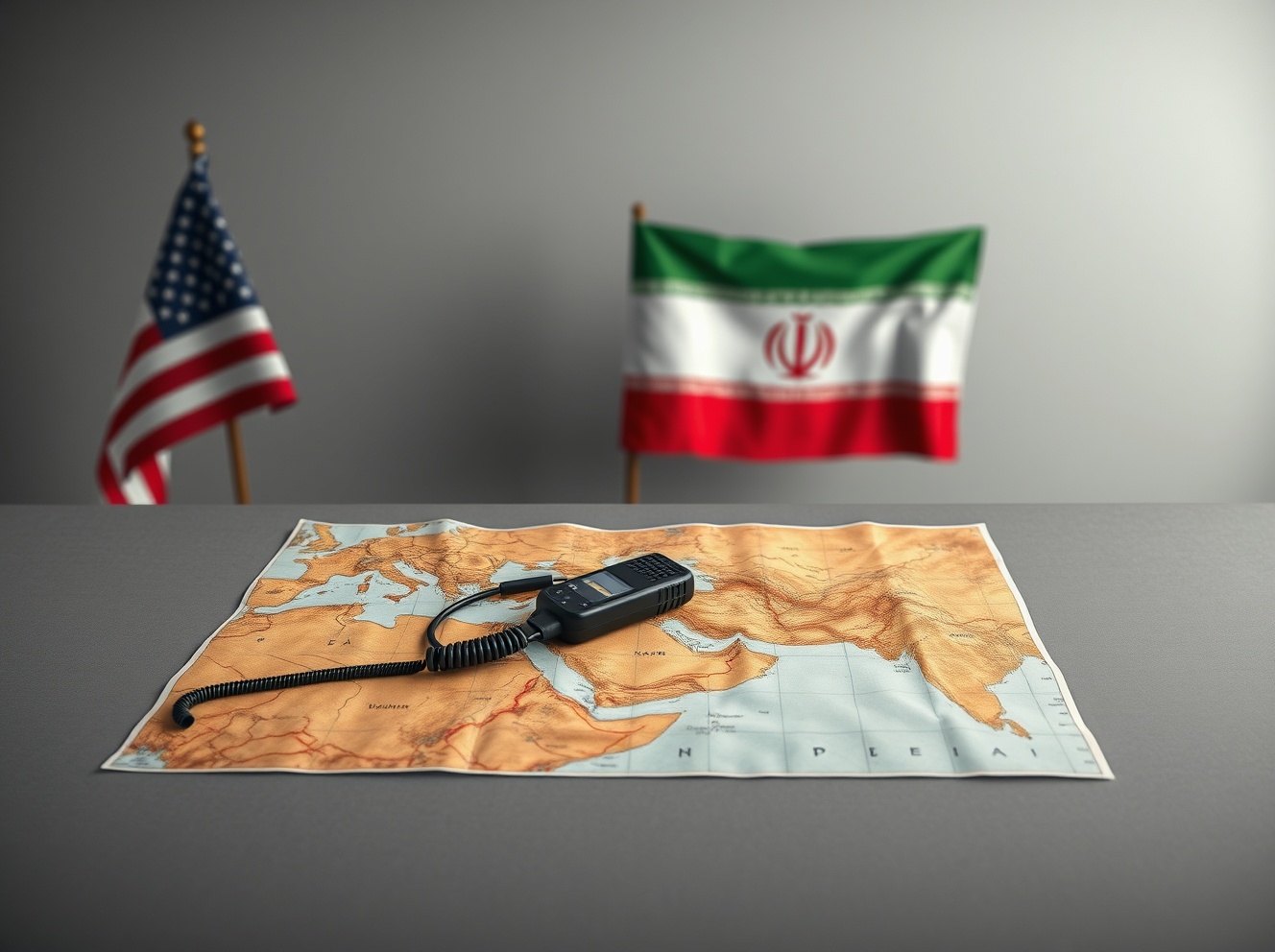
WASHINGTON, D.C. — In a significant diplomatic development, the United States has officially halted its airstrikes against Iran as a newly brokered ceasefire takes effect. A senior U.S. Department of Defense official confirmed the cessation of military operations, marking a pivotal shift in a period of heightened regional tension. This move follows intense negotiations and represents a critical test for stability in the Middle East.
US Iran Ceasefire: The Official Announcement
The Pentagon formally announced the halt to airstrikes early Thursday. Consequently, all U.S. air assets previously engaged in operations against Iranian-linked targets have been stood down. This decision directly stems from the activation of a bilateral ceasefire agreement. The official statement emphasized a commitment to de-escalation while maintaining a robust defensive posture.
Separately, a report from Axios cited a White House official who noted a critical logistical challenge. Specifically, the official stated it would take time for Iran’s ceasefire order to filter down to junior commanders within the Islamic Revolutionary Guard Corps (IRGC). This communication gap highlights the fragility of the initial agreement.
Context and Background of the Conflict
To understand this ceasefire, one must examine the escalating cycle of actions that preceded it. Tensions between the U.S. and Iran have simmered for decades, frequently erupting into proxy conflicts across the region. Recent years saw a significant spike in hostilities following the collapse of the Joint Comprehensive Plan of Action (JCPOA).
Subsequently, a series of incidents pushed both nations closer to direct confrontation. These included attacks on commercial shipping lanes, drone strikes on U.S. bases, and targeted operations. The U.S. response, prior to the ceasefire, involved a calibrated campaign of airstrikes against IRGC infrastructure and affiliated militia positions.
- Proxy Warfare: Iran supports groups like Hezbollah and various militias in Iraq, Syria, and Yemen.
- Economic Pressure: The U.S. maintains severe sanctions on Iran’s oil and financial sectors.
- Nuclear Stalemate: Negotiations to revive the 2015 nuclear deal remain stalled.
Expert Analysis on the Diplomatic Breakthrough
Regional security analysts point to several factors that made this ceasefire possible. First, sustained diplomatic backchannel talks, often facilitated by third-party nations, created a framework for dialogue. Second, both sides faced mounting economic and strategic costs from continued hostilities. Finally, international pressure from allies and global institutions urged restraint.
Dr. Anisa Karimi, a senior fellow at the Center for Strategic and International Studies, provided context. “Ceasefires in this context are not peace treaties,” Karimi noted. “They are risk-management tools. The primary goal is to stop the immediate bleeding and create space for more substantive talks. The real test will be the first violation and how both sides choose to respond.”
The Implementation Challenge and Command Structure
The Axios report underscores a fundamental issue in conflict de-escalation: the chain of command. The Islamic Revolutionary Guard Corps operates with a degree of autonomy within Iran’s complex military hierarchy. While senior leadership in Tehran may issue an order, disseminating it to all field units takes time.
This delay creates a dangerous window where localized commanders might act independently. Historically, similar situations have led to ceasefire breakdowns. For instance, a lone rocket attack from a militia unaware of the new orders could provoke a disproportionate response, restarting the cycle of violence. Therefore, U.S. intelligence agencies are reportedly monitoring communications traffic for signs the order is being disseminated.
| Timeline Factor | U.S. Military | Iranian IRGC |
|---|---|---|
| Order Transmission | Near-instant via secure digital networks | Can take hours/days via layered command |
| Verification Method | Electronic confirmation of receipt | Relies on human messengers in some areas |
| Risk Period | Low | High |
Regional and Global Impacts of the Ceasefire
The immediate regional impact is a palpable reduction in imminent threat. Commercial air and sea traffic in the Persian Gulf region can operate with slightly less apprehension. Furthermore, global oil markets typically react positively to such de-escalation, as seen in a slight dip in crude futures following the announcement.
For allied nations in the region, including Israel and Gulf Arab states, the ceasefire presents a mixed picture. On one hand, it reduces the chance of a broader war that could engulf them. On the other hand, it may allow Iran to regroup and consolidate influence without the pressure of ongoing U.S. strikes. Diplomats from these countries are likely engaging in urgent consultations with Washington to understand the long-term strategy.
The Path Forward and Monitoring Mechanisms
Successful ceasefires require robust monitoring. In this case, external verification will be crucial. Satellite imagery, signals intelligence, and on-the-ground reporting will be used by the U.S. and its partners to assess compliance. The United Nations may also play an observer role if both parties agree.
The next phase will likely involve “talks about talks.” Lower-level diplomatic teams will probably meet to establish the agenda for more formal negotiations. Key topics will include the future of Iran’s nuclear program, the status of U.S. sanctions, and the activities of Iran’s proxy networks. Each of these issues represents a monumental hurdle.
Conclusion
The United States halting airstrikes on Iran marks a crucial, yet delicate, turning point. The implemented US Iran ceasefire offers a respite from direct military conflict and opens a narrow window for diplomacy. However, its sustainability hinges on effective communication within Iran’s military ranks and the willingness of both nations to address underlying grievances. The world now watches to see if this pause in hostilities can evolve into a more durable peace.
FAQs
Q1: What exactly did the U.S. Department of Defense announce?
The Pentagon announced that, in accordance with a newly activated ceasefire agreement, the United States has halted all airstrikes against targets in Iran. Military operations have been formally suspended.
Q2: Why might it take time for Iran’s ceasefire order to be implemented?
As reported, Iran’s complex military and paramilitary structure, particularly the decentralized nature of the Islamic Revolutionary Guard Corps (IRGC), means orders from top leadership can take time to reach all junior commanders in the field, creating a risk of accidental violations.
Q3: What were the main causes of the conflict leading to these airstrikes?
The conflict stems from long-standing tensions over Iran’s nuclear program, its support for regional proxy militias, U.S. sanctions, and a series of escalating retaliatory attacks on assets and personnel of both nations over recent years.
Q4: How are other countries in the Middle East likely to react to this news?
Reactions will be mixed. Allies like Israel and Saudi Arabia may welcome reduced immediate war risk but could be concerned about Iran using the ceasefire to strengthen its regional position without pressure. They will seek assurances from the U.S. regarding their security.
Q5: What happens if the ceasefire is broken?
If either side verifies a significant violation, the agreement would be in jeopardy. The U.S. has stated it retains the right to defend its forces and interests, suggesting airstrikes could resume. The response would depend on the scale and nature of the breach.
This post US Halts Airstrikes on Iran: A Fragile Ceasefire Takes Hold in Tense Region first appeared on BitcoinWorld.
0
0

 Beheer al jouw cryptovaluta, NFT en DeFi vanaf één plek
Verbind de portfolio die je gebruikt veilig om te beginnen.


0
0

0
0

0
0