
Zcash security vulnerability 2026 sparks 30% ZEC selloff

0
0
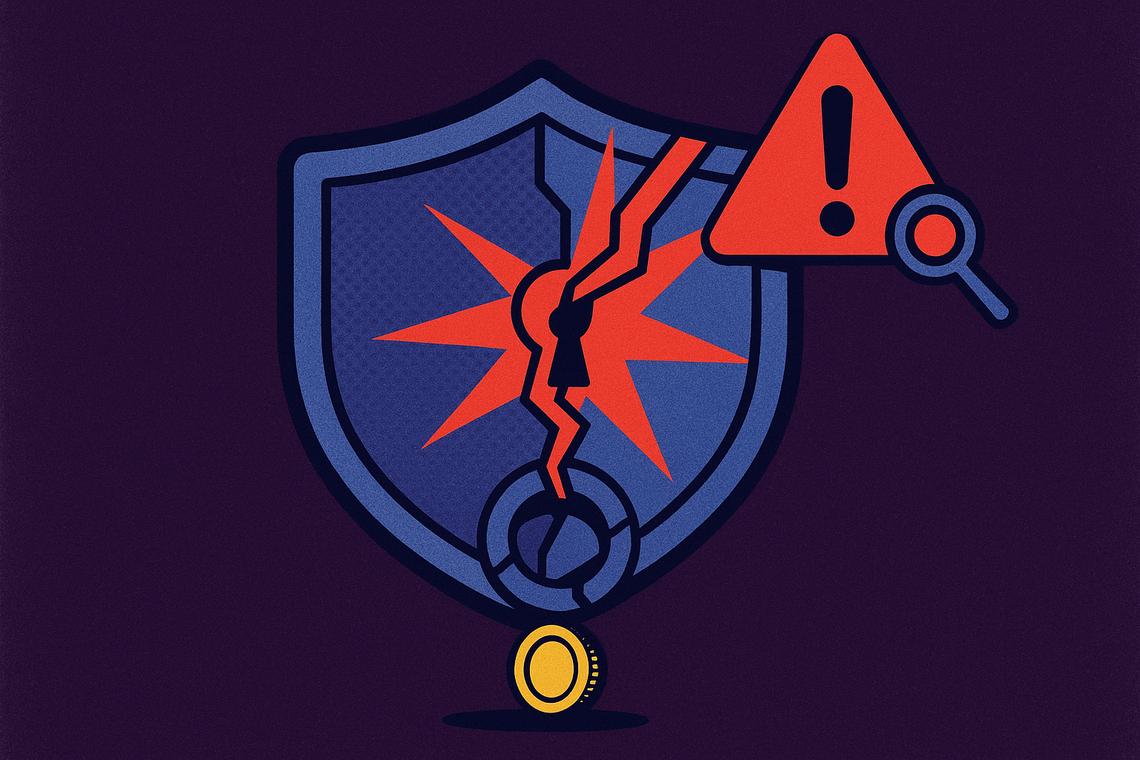
A serious Zcash security vulnerability 2026 disclosure has shaken one of crypto’s most privacy-focused networks, after a flaw inside Zcash’s Orchard shielded pool raised the possibility that counterfeit ZEC tokens could have been created without detection. The issue, which came to light on May 29, 2026, sent ZEC sharply lower and pulled several well-known crypto voices into the discussion.
Developers moved quickly once the bug was found. By June 2, 2026, an emergency network upgrade had patched the flaw. Still, the bigger questions remain unresolved: whether the vulnerability was ever exploited, how much privacy blockchain systems can reasonably support, and what the episode means for the long-term case for shielded pools.
For now, developers say there is no confirmed evidence that counterfeit coins were actually created. However, the Zcash security vulnerability 2026 has already become a test case for the tradeoffs between privacy and transparency in crypto.
Critical flaw found in Zcash’s Orchard shielded pool
The bug sat inside the Orchard shielded pool, the privacy layer that helps make Zcash one of the most technically advanced cryptocurrencies in the market. According to project developers and Shielded Labs, the vulnerability had existed since 2022, meaning it remained undetected for roughly four years.
What made the flaw so serious was its theoretical impact. If exploited, it could have allowed someone to mint counterfeit ZEC coins, effectively creating supply that the network had no obvious way to detect or account for. In cryptocurrency, where supply integrity underpins value, that kind of failure is especially damaging.
Zcash security vulnerability 2026: the discovery and patch timeline
The sequence moved fast once the issue surfaced. Developers identified the vulnerability on May 29, 2026. Shielded Labs then coordinated an emergency network upgrade, which went live on June 2, 2026. In practice, that is a remarkably fast response for a network as complex as Zcash.
Importantly, developers have reported no confirmed evidence that the flaw was ever used to create counterfeit coins. The threat was theoretical, not confirmed. That distinction matters, even if it has not fully calmed the market.
Why Zcash privacy risks are hard to audit
The difficulty comes from Zcash’s design. The network uses zero-knowledge proofs, which let transactions be validated without revealing the underlying details. That privacy model is central to Zcash, but it also creates a problem in a security investigation.
Shielded Labs said it directly in its disclosure: “There is no definitive way to determine, using only cryptography, whether such exploitation occurred.” In other words, the same privacy technology that gives Zcash its edge also makes it impossible to prove with certainty that the bug was never abused.
Ripple CTO David Schwartz weighs in on user safety
As the debate spread, David Schwartz, Ripple CTO Emeritus, entered the conversation. The exchange began after crypto commentator Nate, known online as @satorinakamoto, asked how Zcash could prove the vulnerability had not been triggered without some kind of hidden oversight mechanism.
Schwartz responded with a short reassurance on X: “They’ll eventually be a bit lonely in the deprecated pool, but they’ll still be safe and accessible.”
His point was simple. For users holding funds in the older, now-deprecated Zcash pools, those funds should remain safe if the vulnerability was not exploited before the patch. Because Schwartz has spent years analyzing blockchain consensus systems, his comment carried more weight than a routine reassurance.
The fact that a figure like Schwartz felt the need to comment shows how seriously the industry took the disclosure. It also showed that the concern was not only technical. It was reputational too.
ZEC price drop after breach rattles traders
Markets reacted before the debate had time to settle. ZEC fell more than 30% in a single day after the vulnerability disclosure, marking one of the sharpest declines the asset has seen. The selloff was driven by uncertainty rather than confirmed damage, but traders did not wait for proof of exploitation before pricing in the risk.
That reaction says a lot about privacy coins. When a network is difficult to audit, any uncertainty about what may have happened behind the scenes gets reflected in the price quickly. In that sense, the ZEC price drop after breach fears was not just a market event. It was also a confidence test.
Privacy coins and the tradeoff between confidentiality and transparency
Nic Carter, founding partner at Castle Island Ventures, framed the issue in a way many crypto observers will recognize. He noted that similar vulnerabilities have surfaced before in both Zcash and Monero, the other major privacy-focused cryptocurrency. His view was measured: “I don’t think it’s game over for Zcash. It’s basically part of the deal.”
That tension is central to the debate. Privacy coins like Zcash use cryptography to protect user confidentiality, but that same structure makes it harder for outsiders to audit supply integrity in a crisis. In other words, privacy is not a flaw in the project’s design. Instead, it comes with structural tradeoffs that become much more visible when something goes wrong.
The 2026 episode sharpened that debate. For developers, the quick patch showed that responsible disclosure and rapid response can work even in highly complex privacy systems. For investors, however, the event was a reminder that a network’s strongest selling point can also become its biggest liability when trust is under pressure.
The broader question now is how privacy coins can handle security disclosures while still preserving the core features that make them useful. Regulators, developers, and investors are likely to keep watching closely.
FAQ
What was the nature of the Zcash vulnerability?
A critical security flaw was found in Zcash’s Orchard shielded pool that theoretically could have allowed counterfeit ZEC tokens to be created. The vulnerability had existed since 2022 and was discovered on May 29, 2026, before being patched through an emergency network upgrade on June 2, 2026.
Was there any confirmed exploitation of the vulnerability?
No. Developers and Shielded Labs have reported no confirmed evidence that counterfeit coins were actually created or that the vulnerability was exploited before the patch was deployed.
How did Ripple’s David Schwartz respond to the vulnerability concerns?
David Schwartz, Ripple CTO Emeritus, reassured users that funds in deprecated pools remain safe as long as the vulnerability was not exploited before the patch. He wrote on X: “They’ll eventually be a bit lonely in the deprecated pool, but they’ll still be safe and accessible.”
Why is it difficult to audit privacy coins like Zcash for exploits?
Zcash uses zero-knowledge proofs, which validate transactions without revealing their details. Because of that design, there is no definitive cryptographic way to confirm whether the vulnerability was exploited, and Shielded Labs acknowledged that limitation directly in its disclosure.
What was the market impact following the vulnerability disclosure?
ZEC dropped more than 30% in a single day after the disclosure became public, reflecting investor uncertainty about the coin’s supply integrity rather than confirmed evidence of any actual exploit.
0
0


 Կառավարեք ձեր բոլոր կրիպտարժույթները, NFT-ն և DeFi-ն՝ մեկ տեղից
Ապահովաբար կցեք ձեր օգտագործած պորտֆոլիոն՝ սկսելու համար:

0
0

0
0

0
0
