
Stablecoins: Bank of Korea Unveils Pivotal Virtual Asset Team

0
0
BitcoinWorld
Stablecoins: Bank of Korea Unveils Pivotal Virtual Asset Team
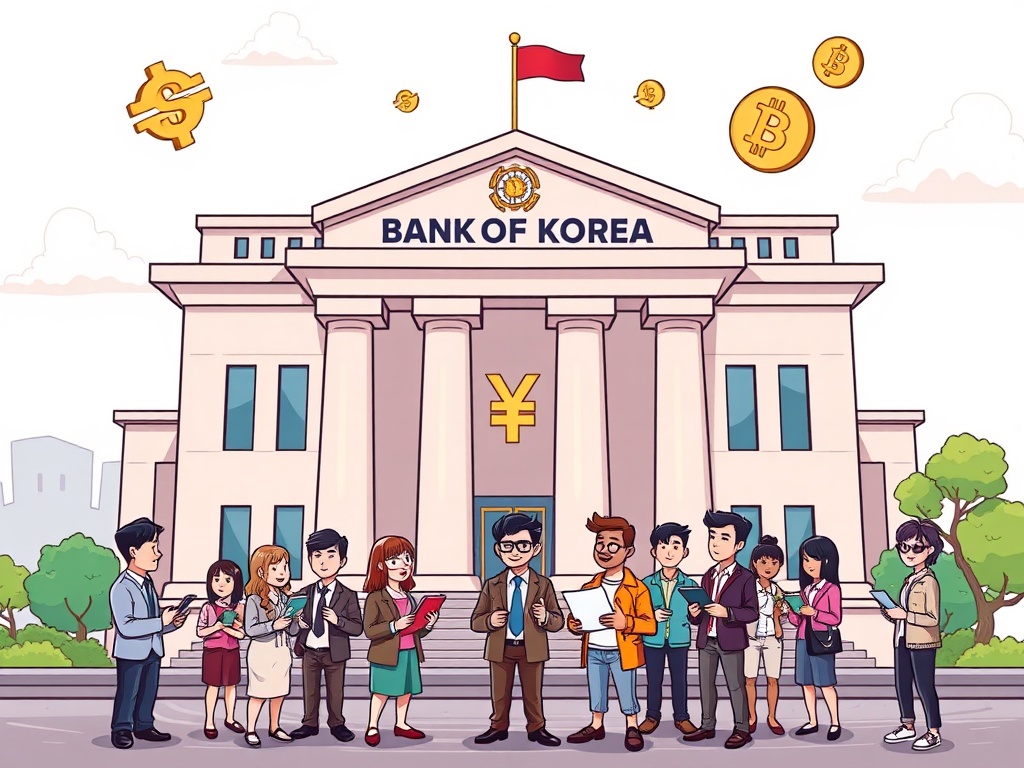
In a significant stride towards embracing the evolving landscape of digital finance, the Bank of Korea (BoK) has announced a strategic restructuring, setting its sights firmly on the future of virtual assets. This isn’t just a minor tweak; it’s a clear signal that central banks are moving beyond mere research and are actively preparing for the integration of digital currencies into the traditional financial system. For anyone watching the global adoption of Stablecoins and other digital assets, this development from one of Asia’s leading economies is nothing short of groundbreaking.
What’s Driving the Bank of Korea’s New Initiative?
The decision by the Bank of Korea to establish a dedicated virtual asset team stems from a recognition of the rapid advancements and growing importance of digital currencies. Historically, central banks have approached cryptocurrencies with caution, often focusing on their potential risks. However, the narrative is shifting, with a greater emphasis on understanding their potential benefits and integrating them responsibly. The BoK’s move reflects a proactive stance to stay ahead of the curve, particularly concerning legislative discussions around digital assets.
This initiative is twofold:
- Renaming the Digital Currency Research Center: The existing ‘Digital Currency Research Center’ under the Financial Settlement Bureau will now be known as the ‘Digital Currency Office.’ This change in nomenclature isn’t just semantic; it signifies a shift from purely academic research to a more operational and policy-focused approach. It suggests that the BoK is preparing to handle digital currencies as a more integral part of its financial settlement infrastructure.
- Launching a Virtual Asset Team: Crucially, a new, dedicated ‘virtual asset team’ will be launched within the Financial Settlement Bureau. This team is specifically tasked with addressing the complex challenges and opportunities presented by virtual assets, with a particular focus on Stablecoins pegged to the Korean Won. This specialized focus underscores the central bank’s commitment to developing a comprehensive framework for these digital instruments.
A Bank of Korea official highlighted that the primary goal of this newly formed team is to actively participate in and respond to ongoing discussions on stablecoins and broader virtual asset legislation. This includes fostering collaborative work with key stakeholders such as the government, the National Assembly, and other relevant parties throughout the legislative process. It’s about shaping policy, not just observing it.
Understanding the Virtual Asset Team’s Mandate: What Will They Do?
The newly formed virtual asset team at the Bank of Korea has a clear and ambitious mandate. Their responsibilities extend beyond mere observation to active participation in shaping the regulatory future of digital assets in South Korea. This proactive approach is essential for any central bank looking to maintain financial stability and foster innovation in a rapidly evolving digital economy.
Here are the core functions envisioned for this team:
- Responding to Legislative Discussions on Won-Based Stablecoins: This is arguably their most immediate and critical task. As discussions around the legal and regulatory framework for Stablecoins intensify, the team will provide expert input, analysis, and recommendations. Their insights will be crucial in crafting legislation that balances innovation with consumer protection and financial stability.
- Collaborative Work with Key Stakeholders: The team will serve as a central point of contact and collaboration for the government, the National Assembly (South Korea’s legislative body), and other financial institutions and industry players. This multi-stakeholder engagement is vital for developing holistic and effective policies that consider various perspectives and potential impacts.
- Monitoring Global Developments: While focused on domestic policy, the team will also be responsible for monitoring international trends in digital currencies and regulatory approaches. Learning from the experiences of other central banks and jurisdictions will inform South Korea’s own strategies, ensuring its framework remains competitive and robust on a global scale.
- Research and Analysis: Beyond legislative responses, the team will continue to conduct in-depth research into the technological, economic, and social implications of virtual assets. This includes understanding market dynamics, potential risks (like illicit finance or systemic vulnerabilities), and opportunities for enhancing financial services.
By centralizing these efforts within a dedicated team, the Bank of Korea aims to streamline its approach to digital assets, ensuring a coherent and well-informed strategy for integrating them into the national financial system.
The Significance of Won-Based Stablecoins: Why Now?
The Bank of Korea’s particular emphasis on won-based Stablecoins is highly significant. Stablecoins are cryptocurrencies designed to minimize price volatility, typically by being pegged to a ‘stable’ asset like fiat currency (e.g., USD, KRW), gold, or other cryptocurrencies. Won-based stablecoins would, by definition, be pegged to the South Korean Won, offering a digital asset that combines the benefits of blockchain technology with the stability of the national currency.
Why is this focus emerging now?
- Bridging Traditional and Digital Finance: Won-based stablecoins could serve as a crucial bridge between the traditional financial system and the burgeoning world of decentralized finance (DeFi) and other blockchain applications. They could facilitate faster, cheaper, and more efficient payments and settlements, both domestically and internationally.
- Addressing Volatility Concerns: One of the primary barriers to mainstream adoption of cryptocurrencies has been their inherent price volatility. Stablecoins mitigate this risk, making them more suitable for everyday transactions, savings, and enterprise use. For South Korea, a won-pegged stablecoin could offer a reliable digital medium of exchange.
- Regulatory Clarity and Consumer Protection: As the market for stablecoins grows globally, regulators are increasingly concerned about their oversight. Establishing a clear framework for won-based stablecoins allows the BoK to define rules around issuance, redemption, reserve management, and anti-money laundering (AML) measures, thereby enhancing consumer protection and financial stability.
- Potential for Innovation: With regulatory clarity, financial institutions and tech companies in South Korea could innovate more freely, developing new services and products built on won-based stablecoins. This could spur economic growth and enhance South Korea’s position as a leader in digital finance.
The timing aligns with global trends where central banks and financial authorities are grappling with how to regulate these digital assets effectively. South Korea is positioning itself to lead rather than follow in this critical area.
Navigating the Regulatory Landscape: Challenges and Opportunities for South Korea
The establishment of the Bank of Korea’s virtual asset team highlights the complex, yet promising, regulatory landscape for digital assets in South Korea. This nation has always been at the forefront of technological adoption, including a vibrant cryptocurrency market. However, with innovation comes the need for robust regulation, especially concerning Stablecoins and their potential impact on financial stability and monetary policy.
Key Challenges:
- Defining Legal Status: One of the primary hurdles is clearly defining the legal status of various virtual assets, particularly stablecoins. Are they securities, currencies, commodities, or something else entirely? This classification impacts everything from taxation to investor protection.
- Ensuring Financial Stability: Large-scale adoption of stablecoins could impact monetary policy transmission and financial stability if not properly managed. The BoK needs to ensure that any regulatory framework addresses risks such as ‘runs’ on stablecoin reserves or their potential to disintermediate traditional banks.
- Combating Illicit Activities: Like all digital assets, stablecoins can be susceptible to use in money laundering, terrorist financing, and other illicit activities. Robust AML/CFT (Anti-Money Laundering/Combating the Financing of Terrorism) measures will be crucial.
- Technological Complexity: Regulators must understand the underlying blockchain technology and its evolving nature to create effective and future-proof rules. This requires continuous learning and adaptation.
Significant Opportunities:
- Enhanced Payment Systems: A well-regulated stablecoin environment could lead to more efficient, faster, and cheaper domestic and cross-border payments, benefiting businesses and consumers alike.
- Fostering Innovation: Clear regulations provide certainty, which encourages legitimate innovation. Fintech companies can build new services and products with confidence, knowing the rules of engagement.
- Global Leadership: By developing a thoughtful and comprehensive regulatory framework, South Korea can solidify its position as a leader in the global digital finance space, attracting investment and talent.
- Consumer Confidence: Robust regulatory oversight builds trust and confidence among the public, encouraging broader adoption of digital financial services.
The Bank of Korea’s team will be at the heart of navigating these challenges and harnessing these opportunities, aiming to create a balanced ecosystem for digital assets.
Global Perspective: How Does This Compare to Other Central Banks?
The Bank of Korea’s move to establish a virtual asset team and focus on Stablecoins is part of a broader global trend among central banks and financial regulators. Nations worldwide are grappling with the implications of digital currencies, with varying approaches and levels of urgency.
Similar Initiatives Globally:
- Central Bank Digital Currencies (CBDCs): Many central banks, including the European Central Bank (ECB) with the Digital Euro project, the Bank of England, and the U.S. Federal Reserve, are actively researching or piloting CBDCs. While CBDCs are distinct from private stablecoins, both aim to modernize payment systems and address the digital shift in money. The BoK has also been researching CBDCs, and this new team’s work on stablecoins complements that effort by focusing on privately issued digital currencies.
- Stablecoin Regulation: Jurisdictions like the European Union (with MiCA – Markets in Crypto-Assets Regulation) and the United States (with ongoing legislative efforts) are developing comprehensive frameworks specifically for stablecoins. The EU’s MiCA, for instance, sets stringent rules for stablecoin issuers regarding reserves, redemption rights, and operational resilience. South Korea’s focus aligns with this global push for stablecoin oversight.
- International Collaboration: Bodies like the Bank for International Settlements (BIS) and the Financial Stability Board (FSB) are facilitating international cooperation on digital currency regulation, recognizing that these assets transcend national borders. The BoK’s emphasis on cooperative work with government and other stakeholders mirrors this global collaborative spirit.
Compared to some nations that have taken a more restrictive stance, South Korea, through the Bank of Korea’s actions, appears to be adopting a pragmatic and forward-looking approach. It acknowledges the inevitable presence of virtual assets and seeks to integrate them safely and effectively into its financial system, rather than attempting to outright ban them. This positions South Korea among the progressive nations in the digital finance arena.
What Does This Mean for the Future of Digital Assets in South Korea?
The establishment of the Bank of Korea’s virtual asset team marks a significant inflection point for the future of digital assets in South Korea. This isn’t just about managing risks; it’s about strategically positioning the nation for the next era of finance. The focus on Stablecoins, in particular, suggests a pathway for regulated, integrated digital currency use that could profoundly impact various sectors.
Potential Future Impacts:
- Enhanced Regulatory Clarity: The most immediate and tangible impact will likely be a clearer regulatory environment. This clarity is a boon for businesses, investors, and consumers, providing the certainty needed to innovate and participate safely in the digital asset space.
- Accelerated Adoption of Digital Payments: With a regulated framework for won-based stablecoins, we could see an acceleration in their use for everyday transactions, cross-border remittances, and even within institutional finance, leading to more efficient and cost-effective payment solutions.
- Growth of the Domestic Fintech Sector: Regulatory certainty often fuels innovation. South Korean fintech companies could leverage stablecoins to develop new financial products and services, fostering a vibrant ecosystem for digital finance.
- Strengthened International Standing: By proactively addressing digital asset regulation, South Korea enhances its reputation as a forward-thinking financial hub, potentially attracting foreign investment and talent in the blockchain and cryptocurrency sectors.
- Closer Integration of Crypto and Traditional Finance: This move signals a deliberate effort to bridge the gap between the nascent crypto market and the established financial system, moving towards a more cohesive and interconnected financial landscape.
Ultimately, the Bank of Korea’s initiative is a strong indicator that South Korea is committed to building a robust, secure, and innovative digital financial infrastructure. It signals a move from a ‘wait and see’ approach to an active ‘shape and lead’ strategy in the global digital currency race.
Conclusion: A Landmark Step Towards Digital Financial Integration
The Bank of Korea’s decision to restructure its digital currency efforts and establish a dedicated virtual asset team is a landmark development. It underscores a growing global consensus among central banks that digital assets, particularly Stablecoins, are not a fleeting trend but a fundamental shift in the financial landscape. By proactively engaging with legislative discussions and fostering collaboration, the BoK is laying the groundwork for a secure, efficient, and innovative digital financial future for South Korea.
This move reflects a sophisticated understanding of the opportunities and challenges presented by virtual assets. It’s a testament to South Korea’s commitment to remaining at the forefront of technological and financial innovation, ensuring its financial system is robust and adaptable for the digital age. As the world watches, the Bank of Korea’s journey in integrating virtual assets will undoubtedly serve as a crucial case study for other nations navigating similar waters.
Frequently Asked Questions (FAQs)
Q1: What is the main purpose of the Bank of Korea’s new virtual asset team?
A1: The primary purpose of the Bank of Korea’s new virtual asset team is to respond to legislative discussions concerning virtual assets, particularly won-based Stablecoins. They will also carry out cooperative work with the government, National Assembly, and other stakeholders during the legislative process to shape regulatory frameworks.
Q2: How does the new ‘Digital Currency Office’ differ from the previous ‘Digital Currency Research Center’?
A2: The renaming from ‘Digital Currency Research Center’ to ‘Digital Currency Office’ signifies a shift from purely academic research to a more operational and policy-focused approach. It indicates that the Bank of Korea is preparing to integrate digital currencies more directly into its financial settlement functions, moving beyond just theoretical study.
Q3: What are ‘won-based stablecoins’ and why are they significant?
A3: Won-based stablecoins are cryptocurrencies whose value is pegged to the South Korean Won, aiming to minimize price volatility. They are significant because they can bridge the traditional financial system with digital finance, offer stable digital payment methods, and provide a regulated asset that can foster innovation while addressing volatility concerns inherent in other cryptocurrencies.
Q4: How might this initiative impact the future of cryptocurrency regulation in South Korea?
A4: This initiative is expected to lead to clearer and more comprehensive cryptocurrency regulations in South Korea, especially for Stablecoins. By actively participating in the legislative process, the Bank of Korea aims to create a framework that balances innovation with financial stability, consumer protection, and anti-money laundering measures, thereby fostering a more secure and predictable market.
Q5: Will this team develop a South Korean Central Bank Digital Currency (CBDC)?
A5: While the Bank of Korea has been researching CBDCs, the specific mandate of this new virtual asset team is to respond to legislative discussions on privately issued virtual assets, particularly won-based stablecoins. Their work complements CBDC research by focusing on the regulation of existing or upcoming private digital currencies rather than directly developing a CBDC.
Share Your Thoughts!
Did you find this article insightful? The Bank of Korea’s move is a significant development in the world of digital finance. Share this article on your social media channels and let us know your thoughts on how this will shape the future of Stablecoins and virtual assets in South Korea!
To learn more about the latest crypto market trends, explore our article on key developments shaping the digital asset landscape and institutional adoption.
This post Stablecoins: Bank of Korea Unveils Pivotal Virtual Asset Team first appeared on BitcoinWorld and is written by Editorial Team
0
0

 Tüm kripto, NFT ve DeFi varlıklarınızı tek bir yerden yönetin
Kullanmaya başlamak için portföyünüzü güvenli bir şekilde bağlayın.


