
SecondFi Recovery Clock: How a Cardano Wallet Bug Became a Seed-Phrase Safety Story

0
0
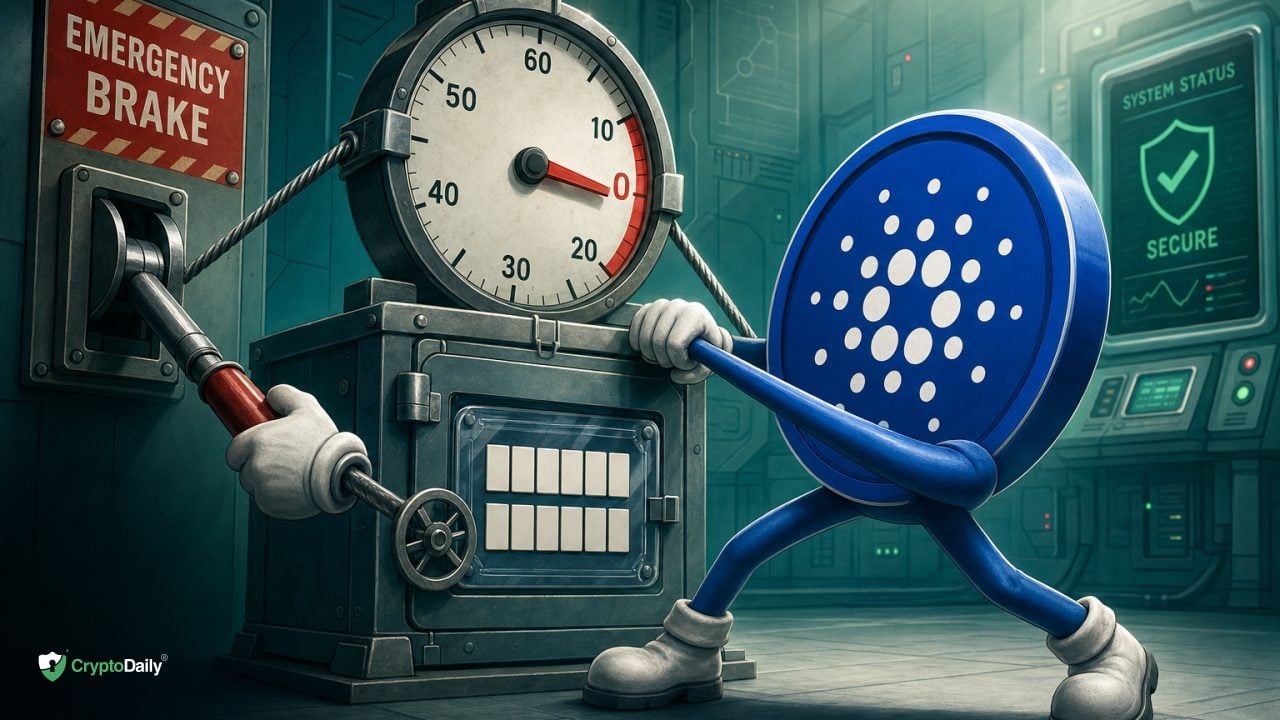
Picture this. You wake up, open your Cardano wallet, and the balance you checked last night is gone. Not a dust attack. Not a misclick. Just empty. That was the reality for hundreds of SecondFi users over one long June weekend.
By midweek, a wallet-generation bug had morphed into something bigger: a seed-phrase safety story. People assumed importing their phrase into a different app would save them. It didn’t. The exposure sat at the address level and came back the moment an affected address signed anything.
SecondFi and EMURGO moved into triage mode. On-chain data started painting a clearer picture, and a recovery clock began to tick.
SecondFi disclosed a Cardano wallet-generation vulnerability after coordinated drains between June 21 and June 23, 2026. Initial tallies pointed to roughly 16 million ADA taken from 374 addresses across three main drains, according to early reporting by CoinDesk. That was the first pass. Forensics widened the lens.
Wallet bugs break trust fast. Seed handling decides whether a bad week becomes a bad year.
Bitquery’s reconstruction identified two waves and a large consolidation address, with a second-wave vault holding 129,430,001 ADA by June 23. Their work also logged roughly 3,072 victim wallets swept across both waves, far beyond the first estimate of impacted addresses. See the on-chain write-up from Bitquery.
Here’s the kicker from both Bitquery and SecondFi: the flaw was address-level. Importing an affected recovery phrase into a different Cardano wallet did not eliminate risk. The risk showed up when an affected address signed a transaction at any time, per the joint warning captured in Bitquery’s report and SecondFi’s updates (Bitquery / SecondFi).
What Actually Went Wrong in SecondFi’s Wallets
SecondFi has referred to a wallet-generation vulnerability. That points to issues around how addresses or keys were derived, stored, or used during signing. We don’t need the exact line of code to understand the blast radius: if an address created under that process was flawed, the private key protecting it was not reliably safe. Using it later, anywhere, could expose funds.
Address-level vs seed-level failure
A seed-level failure would poison every account derived from the phrase. An address-level failure can be sneakier. You might have one or more addresses created under unsafe conditions, while others under the same seed look fine. But the moment one of those compromised addresses signs a transaction, you risk a sweep.
This is why the official guidance was so specific. Bitquery and SecondFi both warned that simply re-importing your phrase into another wallet does not neutralize the problem. The vulnerability sits with the address history and signature path, not the user interface (Bitquery / SecondFi).
So what can a user actually do?
If you used SecondFi and think you were affected, the safest posture is to stop interacting with any address generated during the exposure window. Do not sign from those addresses. Do not test with small amounts. Treat them as hot until proven otherwise by the forensic process and the vendor’s recovery plan.
- Pause all activity from potentially affected addresses. Do not sign anything from them.
- Generate a brand-new Cardano wallet using a trusted path and a fresh seed phrase you’ve never used before.
- Wait for SecondFi and EMURGO’s recovery workflow if your funds were already drained. If you still hold ADA on addresses you suspect are affected, seek vendor-specific instructions before moving. The act of signing could be the trigger.
- Record your new seed phrase offline. Do not import it into multiple places. Keep it segmented from older, possibly exposed environments.
There are no magic buttons here. It’s posture, patience, and clean operational hygiene.
How the Drains Unfolded On-Chain
We have two versions of the same story: the early snapshot and the full mosaic after investigators traced flows.
Numbers that moved as the picture filled in
Initial loss counts centered on 16 million ADA across 374 addresses in three drains (CoinDesk). Bitquery’s deeper pass mapped two main waves and identified a large consolidation address that held 129,430,001 ADA by June 23, plus a much higher tally of impacted wallets, around 3,072 across both waves (Bitquery). Those totals cover traces that go beyond the earliest surface accounting.
A short timeline from disclosure to recovery planning
Date (2026) Event Source June 21–23 Coordinated draining events tied to a wallet-generation flaw; multiple sweeps observed CoinDesk, Bitquery June 24 Broader on-chain picture emerges; second-wave vault shows ~129.43M ADA; ~3,072 victims identified across waves Bitquery June 26 EMURGO/SecondFi complete forensics and take a final balance snapshot to anchor recovery The Block June 27 Recovery roadmap published, aiming to begin returning funds in roughly two weeks The Block
Who exactly was in the blast radius?
If you’re wondering why 374 addresses and ~3,072 victims both exist in the reporting, it comes down to scope and timing. Early counts often focus on the first clearly linked clusters. Later forensics sweep in secondary paths and consolidations. Addresses, wallets, and users are not one-to-one. Many users hold multiple addresses, and attack clustering can blur lines. Treat both numbers as parts of the same unfolding map, not contradictions.
Why Seed-Phrase Safety Took Center Stage
The most counterintuitive piece of this saga is that switching wallet apps does not fix a bad past. If an address was born under a flawed process, the danger travels with it. You can install the most audited software on the planet. If you import the same phrase, then sign from a previously compromised address, you could be right back in the blast zone. This was the heart of the SecondFi warnings captured in the Bitquery report (Bitquery / SecondFi).
What safe looks like from here
Think in layers. Your choice of wallet matters, sure. But your operational flow matters more. When you suspect any exposure, you rotate.
Action What it solves Caveats Create a brand-new wallet with a fresh seed phrase Segregates future activity from any historic address exposure Does not recover past losses; follow vendor recovery steps Avoid importing old phrases into new apps Prevents reactivating compromised addresses in another interface Inconvenient, but safer after suspected address-level issues Keep seed phrases offline and singular Reduces the chance of multi-app leakage and phishing Requires disciplined storage and backups Monitor official recovery announcements only Helps avoid impostor portals and fake refund forms Scammers will spoof brand names during incidents
Bottom line. Seed-phrase hygiene is not just writing words on paper. It’s how, where, and when you reuse them. In incidents like this, reuse can be the hidden tripwire.
Inside the Recovery Clock: Snapshots, Criteria, Payouts
After the dust settled, EMURGO and SecondFi said they finished the forensic legwork and took a final balance snapshot on June 26, 2026. The public roadmap targeted beginning returns in about two weeks. One week to build the recovery mechanism. One week to test it end to end, as reported by The Block.
What that likely means in practice
- Freeze the picture. Use the June 26 snapshot as the final ledger of impacted balances.
- Map claims to addresses. Link each affected address and its balance to a claimant with strong proofs.
- Build and test a controlled payout mechanism. Minimize fresh signing from compromised paths.
- Roll out in batches. Start with a small cohort to validate assumptions, then scale.
- Publish clear eligibility criteria and dispute channels. Expect edge cases and stray UTXOs.
Important caveat: vendors do not always disclose exact payout logistics in advance for security reasons. The key user-facing dates here are the snapshot and the two-week build-and-test window. If you are a claimant, keep your documentation tight and only follow instructions posted on official channels.
What It Means for Cardano Wallet Design
Incidents like this ask hard questions of any ecosystem. A few takeaways will likely shape Cardano wallet development in the quarters ahead.
Determinism needs verification, not just standards
Standards alone are not enough. Teams need reproducible builds, independent test vectors, and cross-implementation address checks so the same seed yields the same secure paths in every client. If one client diverges silently, users inherit that risk without knowing it.
Proof of safety is a process, not a badge
Audit reports help, but they are snapshots. Wallets evolve monthly. Secure entropy sources, key-path isolation, and threat modeling need to be baked into the release cycle. Good vendors invite regression testing and make it easy to verify derivations across tools before real funds touch the addresses.
User controls that reduce blast radius
Users benefit from lightweight controls: per-account signing warnings, friction when reusing old addresses, and clear labels for accounts created under older, potentially affected builds. None of this is glamorous, but it turns invisible risk into explicit choices.
Risks & What Could Go Wrong
- Phishing surge. Attackers will spoof refund portals and claim tools to capture fresh seeds or signatures.
- False positives or negatives in snapshots. Some legitimate claims could be missed and need manual review.
- Re-signing from compromised addresses. Users may try to move funds and trigger new drains.
- Timing gaps. Two weeks can slip if edge cases pile up in testing.
- Market volatility. If refunds are in ADA, price swings can complicate perceived recovery value.
- Legal coordination. Jurisdictional nuances can slow communications or enforcement against known flows.
The fastest way to turn a recovery into a second incident is to rush, sign from hot addresses, or trust unverified portals.
If you want steady coverage without the noise, the team at Crypto Daily has been tracking wallet security stories like this across chains. It’s a good one-stop read while you wait for official updates.
Frequently Asked Questions
Does importing my seed into a different Cardano wallet fix the issue?
No. Bitquery and SecondFi stressed that the flaw is address-level. If a compromised address signs a transaction anywhere, the exposure can reappear. Switching apps alone does not neutralize it (Bitquery / SecondFi).
How much ADA was actually at risk?
Early reports referenced about 16 million ADA drained from 374 addresses (CoinDesk). Later forensics identified a second-wave vault holding 129,430,001 ADA and around 3,072 victim wallets across both waves (Bitquery). Think of 16 million as early confirmed drains and 129.43 million as consolidated holdings mapped on-chain.
What is the recovery timeline?
EMURGO/SecondFi said they completed forensics and took a final balance snapshot on June 26, 2026, then targeted beginning returns in about two weeks, with one week to build and one week to test the mechanism (The Block).
Should I try to move any remaining ADA out myself?
Be very careful. If the address was generated under the vulnerable conditions, signing could be the risk trigger. Follow official guidance from SecondFi and EMURGO. When in doubt, rotate to a brand-new wallet with a fresh seed and wait for vendor instructions.
How can I check if my addresses were part of the sweeps?
Monitor official dashboards or any lookup tools provided by the vendors or reputable investigators. Avoid third-party claim checkers posted on social media. When tools exist, they should be linked by official channels.
Does using a hardware wallet protect me from this kind of bug?
Hardware helps with key isolation, but if a flawed app generated the original address set, the risk can persist at the address level. For new setups, generating the seed on a trusted hardware wallet reduces future exposure.
What happens to the 129.43M ADA in the so-called vault?
Investigators track such consolidation addresses to map flows and potential off-ramps. Tracing does not guarantee clawback. It does inform recovery design, law enforcement engagement, and exchange monitoring (Bitquery).
Disclaimer: This article is provided for informational purposes only. It is not offered or intended to be used as legal, tax, investment, financial, or other advice.
0
0

 Կառավարեք ձեր բոլոր կրիպտարժույթները, NFT-ն և DeFi-ն՝ մեկ տեղից
Ապահովաբար կցեք ձեր օգտագործած պորտֆոլիոն՝ սկսելու համար:

0
0

0
0

0
0

0
0