
Clarity Act Loses Clarity Over Trump’s UAE Crypto Deal

0
0
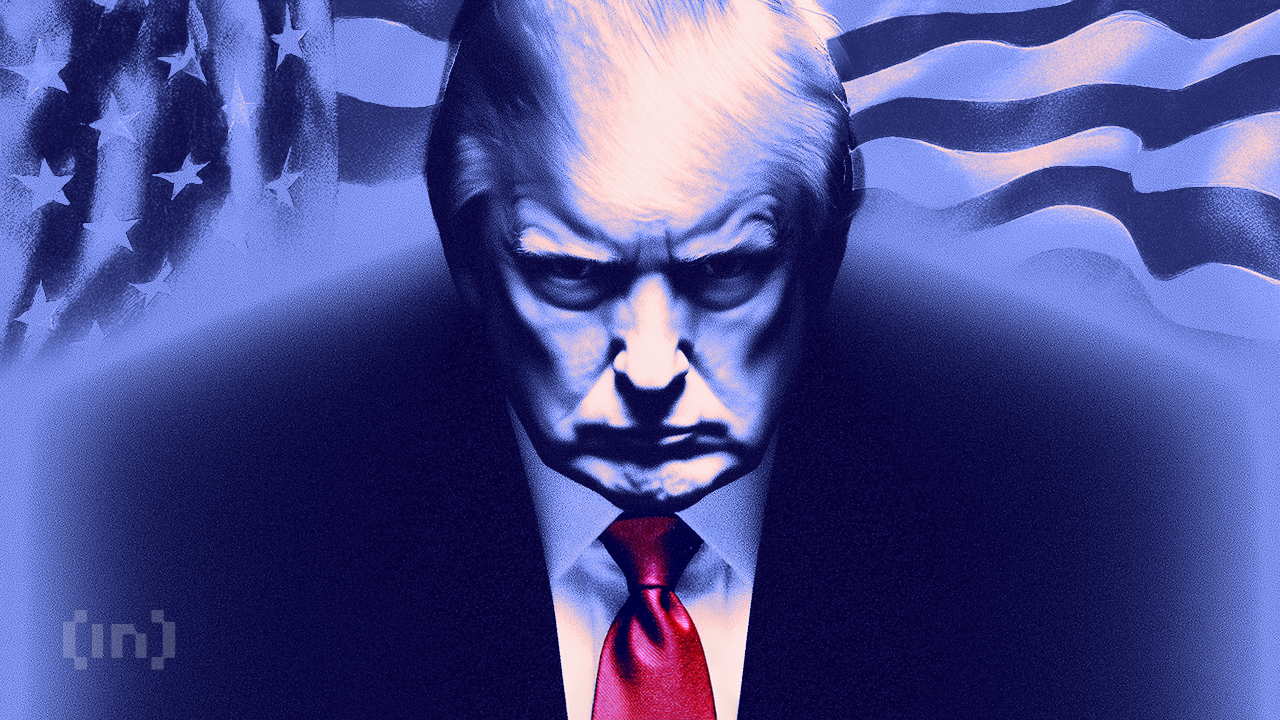
White House-led negotiations over the Clarity Act ended Monday without a deal, as the crypto industry and banking lobbyists failed to bridge their differences on stablecoin yields, and a newly revealed $500 million investment by a UAE official in President Donald Trump’s family crypto venture threatens to further complicate the bill’s prospects.
The Clarity Act was designed to bring regulatory certainty to America’s crypto markets. Instead, it has become entangled in a conflict-of-interest controversy that could derail the administration’s top crypto priority—and reshape the future of digital finance in the process.
The Yield Deadlock
The meeting at the Eisenhower Executive Office Building, hosted by presidential crypto adviser Patrick Witt, brought together representatives from Coinbase, Circle, and Ripple, as well as banking trade groups. After more than two hours, participants left without agreement on whether crypto exchanges should offer interest on stablecoins.
Crypto participants, who significantly outnumbered bankers, felt banks were stalling. The White House directed both sides to reach a compromise by month’s end.
The stakes are enormous. Treasury analysis estimates up to $6.6 trillion in deposits could migrate from banks to stablecoins if yields are permitted. Banks warn this would create an unregulated parallel financial system; crypto executives counter that banks simply fear competition.
The dispute escalated in January when Coinbase CEO Brian Armstrong withdrew his support for the draft bill, saying he would rather have no legislation than flawed legislation.
UAE Deal Casts Shadow
The Wall Street Journal reported that Sheikh Tahnoon bin Zayed Al Nahyan—UAE’s national security adviser and chair of its $1.5 trillion sovereign wealth fund—acquired a 49% stake in World Liberty Financial, the Trump family’s crypto company, just four days before the inauguration.
Ethics watchdogs have condemned the deal as a blatant conflict of interest and potential constitutional violation. The timeline raises questions: Trump hosted Tahnoon for a White House dinner in March; World Liberty’s USD1 stablecoin facilitated a $2 billion UAE investment into Binance in May; two weeks later, the administration approved 500,000 Nvidia AI chips for export to the UAE, reversing Biden-era restrictions.
The Clarity Paradox
Here lies the central irony: if passed, the Clarity Act would regulate all US stablecoins—including World Liberty’s USD1. Trump would sign into law rules governing his own family’s crypto business. Whatever position the White House takes on yield directly affects the USD1’s competitive position.
Democrats were already demanding anti-corruption provisions before the UAE deal surfaced. Senator Elizabeth Warren has called the situation plain corruption and has demanded congressional action. With Republicans controlling both chambers, however, formal investigations remain unlikely.
Narrowing Path
The bill has cleared the House and Senate Agriculture Committee, but still needs to pass the Senate Banking Committee. Democrats hold leverage there, and their demands extend beyond ethics provisions to include full CFTC staffing and stronger anti-money-laundering protections.
New York prosecutors have added another complication, alleging in a letter that the law enables stablecoin issuers to profit from fraud by retaining stolen funds rather than returning them to victims.
Trump promised at Davos to sign market-structure legislation soon. But the convergence of yield deadlock, ethics concerns, and UAE allegations has made that timeline increasingly unrealistic. Bitcoin’s 40% decline from its October peak reflects the mounting uncertainty.
The Clarity Act aimed to provide clear rules for crypto markets. Instead, it has become a study in how presidential conflicts of interest can obscure even the clearest legislative intentions.
0
0


 Կառավարեք ձեր բոլոր կրիպտարժույթները, NFT-ն և DeFi-ն՝ մեկ տեղից
Ապահովաբար կցեք ձեր օգտագործած պորտֆոլիոն՝ սկսելու համար:

0
0

0
0

0
0

0
0