
Which cryptocurrency is best for beginners? A practical safety-first guide

0
0
investing in cryptocurrency for beginners: what you need to know first
Investing in cryptocurrency for beginners starts with a clear expectation: these assets can move a lot in price and they require extra steps to keep holdings safe. New investors should treat crypto as a high volatility part of a broader personal finance plan and only risk amounts they can afford to lose. Market rankings show that Bitcoin and Ethereum are the most widely traded and liquid options, which makes them easier to buy, sell, and custody for many newcomers, according to live market data from CoinMarketCap CoinMarketCap.
Regulators and consumer agencies also offer consistent warnings about price swings, custody risk, and scams, and they recommend basic safeguards before buying. For example, investor guidance highlights the importance of checking who holds your keys and of using security features on accounts SEC investor bulletin.
Partner with FinancePolice to reach pragmatic personal finance readers
Read the checklist below before choosing a coin and keep your allocation small while you learn.
How cryptocurrencies differ: coins, tokens, and stablecoins
At a basic level, a cryptocurrency can be a native coin that runs on its own blockchain, or a token that lives on top of another blockchain. Native coins like Bitcoin and Ethereum are used to pay network fees and to secure the underlying ledger, while many tokens represent project-specific functions or rights on other chains. The difference matters because native status often affects liquidity and which custody options are available.
Stablecoins are a third common category. They aim to keep a stable value relative to fiat currency and are often used as a low volatility on-ramp or settlement option. That convenience comes with issuer and regulatory considerations, so beginners should check transparency and supervisory commentary about how reserves are held BIS analysis on stablecoins. For deeper coverage on stablecoin issuers, see how stablecoin issuers generate revenue.

Why Bitcoin and Ethereum are common starting points for beginners
Liquidity and market access
Bitcoin and Ethereum tend to have the largest market capitalizations and the highest trading volumes, which generally means you can trade meaningful sizes without wide price swings from small orders. Liquidity and on-chain usage metrics are practical signals beginners can check to compare candidate coins on market-data sites CoinMarketCap and by reviewing live charts.
Beginners often start with Bitcoin or Ethereum because they are the most liquid and widely available, but the right choice depends on fees, custody preferences, and personal risk tolerance; verify live market data and regulator notices before buying.
Custody and product availability
Because of their size and long track record, BTC and ETH are widely supported by custodial services, wallets, and brokerage products. That availability can simplify a first purchase and custody choice, but it does not remove price risk. Even the largest coins can be volatile, so custody and fees still matter when you plan an entry strategy.
Stablecoins as an on-ramp: pros, cons, and issuer risk
Stablecoins such as USDC or USDT can make sense when you want a low volatility place to park funds on-chain or to simplify trading between fiat and crypto. They are commonly used for settlement and for moving value without repeatedly converting back to bank money. Industry and supervisory work since 2023 has increased focus on issuer reserves and transparency, which beginners should check before relying on a stablecoin BIS analysis on stablecoins.
That said, stablecoins carry counterparty and regulatory exposure. A regulated stablecoin may reduce some risks but does not eliminate issuer risk, so consider how reserves are reported and whether a stablecoin issuer is subject to oversight in your jurisdiction.
Custody and security: self-custody vs custodial wallets
Choosing where to hold crypto changes the risk you face. Self-custody means you control private keys and reduce counterparty risk, but you also accept full responsibility for key management. Custodial wallets place custody with a third party, which can lower user responsibility but introduces counterparty and operational risk. Consumer guidance explains these tradeoffs and stresses basic protections for account holders FCA consumer guidance. For more related articles, see our crypto coverage.
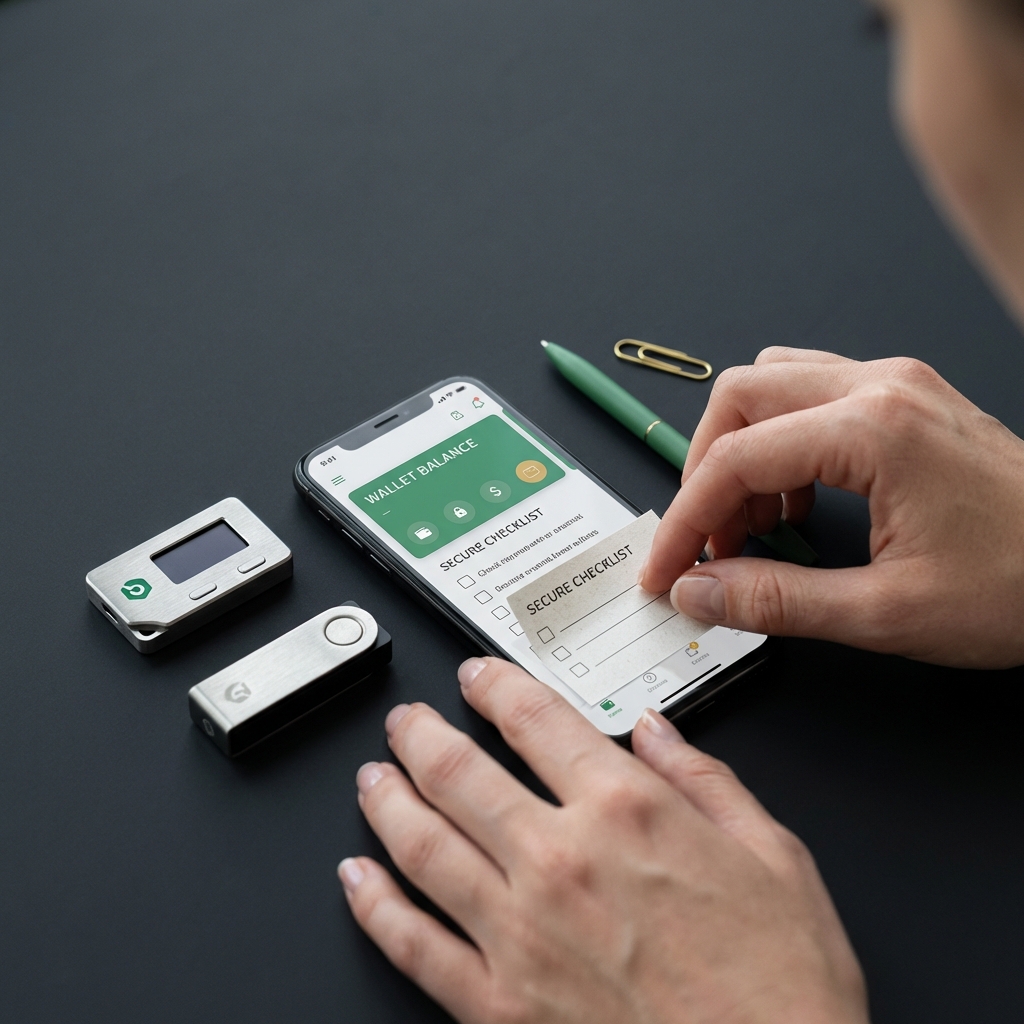
Basic security steps are practical and achievable. Use strong unique passwords, enable two-factor authentication, and keep a secure backup of any recovery phrases. Consider whether you want to withdraw an initial purchase to a self-custody wallet after a small test transaction to confirm you control the keys.
Fees, liquidity, and what they mean for small investors
Network fees and exchange fees can make a big difference for small-dollar purchases. Some chains have variable gas costs that rise during busy periods, so a small buy can incur a relatively high percentage fee if you do not check typical costs first. Market analysis and fee data sources help you compare typical fee ranges across chains CoinGecko market analysis.
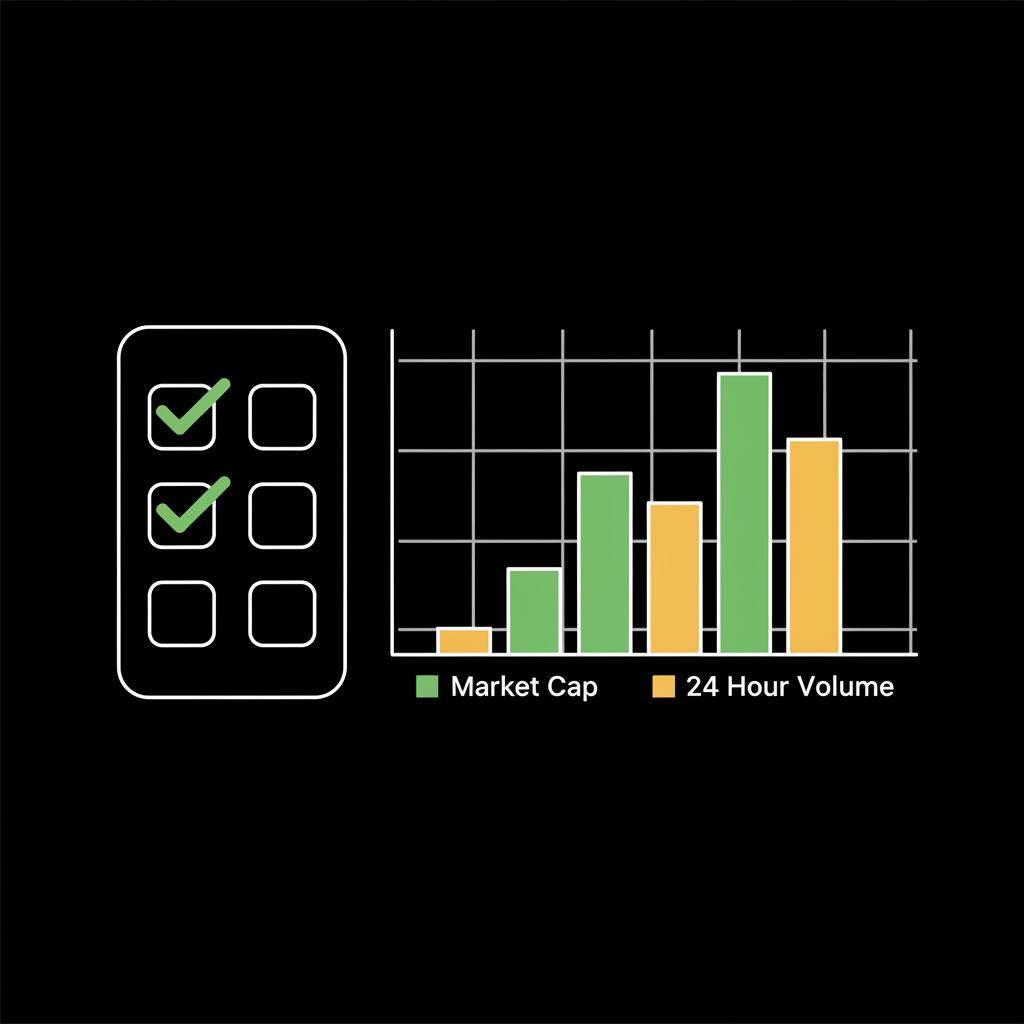
Liquidity signals to check quickly include market cap, 24-hour volume, and visible order book depth. These metrics show how easy it is to enter or exit a position without large price movement. For a beginner, prioritizing coins with robust volume and listings across multiple exchanges often reduces operational friction. You can also review the 24-hour volume rankings to compare active trading volumes.
Regulation, consumer warnings, and how to protect yourself
Regulators regularly warn retail investors about the high price volatility of crypto, about custody and counterparty risks, and about scams that try to steal funds. That consistent messaging is intended to help consumers take basic, verifiable protections before buying SEC investor bulletin.
Practical protections tied to regulator guidance include verifying platform registration where possible, enabling strong security features, and limiting how much you hold relative to your overall finances. If you want a quick live check, use a market-data site to confirm liquidity and a regulator site to check any consumer alerts.
Quick live checks to verify liquidity and regulator notices before buying
Use live pages before you buy
A simple decision checklist for choosing which cryptocurrency to buy
Use a short checklist to compare candidates. Key items are liquidity and market cap, typical fees, custody options, project transparency and regulation exposure, and your personal risk tolerance. Prioritize items differently if you are making small initial purchases: ease of on-ramp and low fees often matter most for small allocations.
Score candidates with simple rules. For example, give extra weight to coins with high 24-hour volumes and multiple exchange listings, mark down coins with opaque issuer information, and flag any asset with inconsistent reserve reporting or clear regulatory notices. Live market-data sites can help you verify volume and cap before you press buy.
Common mistakes beginners make and how to avoid them
Beginners often make a few repeated errors: overconcentration in a single coin, chasing short-term hype, and neglecting security. Buying without checking liquidity or fees can turn a small experiment into an expensive lesson. Consumer and regulator reports emphasize these recurring risks and the need for basic safeguards Chainalysis crypto crime report.
Simple avoidance steps can reduce harm. Start with a small initial allocation to test custody and withdrawals, use reputable custody options, and learn to spot common scam signals such as unsolicited investment offers and promises of guaranteed returns.
Practical examples: three starter scenarios with realistic allocations
Conservative on-ramp. If you want the lowest on-chain volatility while you learn, consider holding a regulated stablecoin for settlement and a very small position in Bitcoin for exposure to the largest network. This approach prioritizes low short-term price swings while giving you practical exposure to crypto mechanics. Check issuer transparency and any supervisory statements before relying on a stablecoin BIS analysis on stablecoins.
Balanced entry. A modest mix might pair Bitcoin and Ethereum in proportions that reflect your comfort with price moves. The two largest coins offer broad exchange listings and custody coverage, which simplifies buying and later adjustments. Keep fees and network costs in mind when you move funds between wallets and exchanges CoinMarketCap.
Learning approach. Allocate small amounts across a few highly liquid coins so you can learn how different chains and wallets behave. Use small test transactions and withdrawals to confirm access to keys and to observe typical settlement times before increasing exposure.
Step-by-step: how to buy your first small amount safely
Pre-purchase checklist. Verify the platform or broker reputation, enable two-factor authentication, prepare a payment method, and check likely fees and settlement times. Confirm any platform registration or consumer notices you can find before creating an account.
Buying flow. Create an account, complete required identity checks if the service asks (KYC), make a small test purchase sized so fees remain reasonable, and then consider withdrawing to your chosen custody if you prefer self-custody. Confirm wallet addresses and verify settlement before you scale the position.
Comparing platforms: exchanges, brokers, and on-ramps (what to check)
Compare platforms by checking fees, custody model, visible liquidity, and regulatory registration where applicable. Some services act as brokers with simplified interfaces, while others are order-book exchanges with public spreads. Verify typical spreads and order book depth on a market-data site before you commit funds CoinMarketCap and review ranked exchanges ranked exchanges.
As a practical test, do a small deposit and a small withdrawal to confirm the full flow. That step often reveals hidden fees or delays and helps confirm that withdrawals work as expected for your custody choice.
Tax, reporting, and record-keeping basics for beginners
Crypto transactions may have tax consequences in many jurisdictions. Keep simple records for any buys, sells, transfers, and receipts. Key items include dates, amounts, platform names, transaction receipts, and cost basis notes.
If you are unsure how local rules apply to your situation, check your tax authority guidance or consult a tax professional. This article does not give tax advice and is not a substitute for professional counsel.
Next steps, trustworthy sources, and a closing checklist
Before any purchase, re-run a short checklist: confirm current liquidity on a market-data provider, check current fee estimates for the chain you plan to use, verify custody options for withdrawal, and look up regulator notices for your country. Trusted live sources include market-data providers and regulator consumer pages for up-to-date details CoinMarketCap.
Use FinancePolice as an educational reference to understand decision factors, then verify dynamic items on primary sources before you act. Keep exposure proportional to your risk tolerance and start with small, verifiable steps.
Start small and only risk amounts you can afford to lose. Begin with a test purchase to confirm custody and withdrawal processes before increasing exposure.
Stablecoins can reduce short-term price volatility but carry issuer and regulatory exposure. Check issuer transparency and supervisory commentary before relying on them.
Self-custody reduces counterparty risk but requires careful key management. Beginners can start with custodial services and move to self-custody after testing withdrawals and understanding backups.
References
- https://coinmarketcap.com/
- https://www.sec.gov/files/ib_cryptocurrencies.pdf
- https://www.bis.org/publ/bisbull12.htm
- https://financepolice.com/how-do-stablecoin-issuers-generate-revenue-in-2025/
- https://www.fca.org.uk/consumers/cryptoassets
- https://financepolice.com/advertise/
- https://www.coingecko.com/en/research/reports
- https://coinmarketcap.com/currencies/volume/24-hour/
- https://blog.chainalysis.com/reports/2024-crypto-crime-report/
- https://coinmarketcap.com/charts/
- https://financepolice.com/category/crypto/
- https://financepolice.com/
- https://coinmarketcap.com/rankings/exchanges/
0
0

 Manage all your crypto, NFT and DeFi from one place
Securely connect the portfolio you’re using to start.


0
0
