
Exclusive: Iranian Parliament Speaker Ghalibaf Leads Critical US Negotiations Amid Diplomatic Tensions

0
1
BitcoinWorld
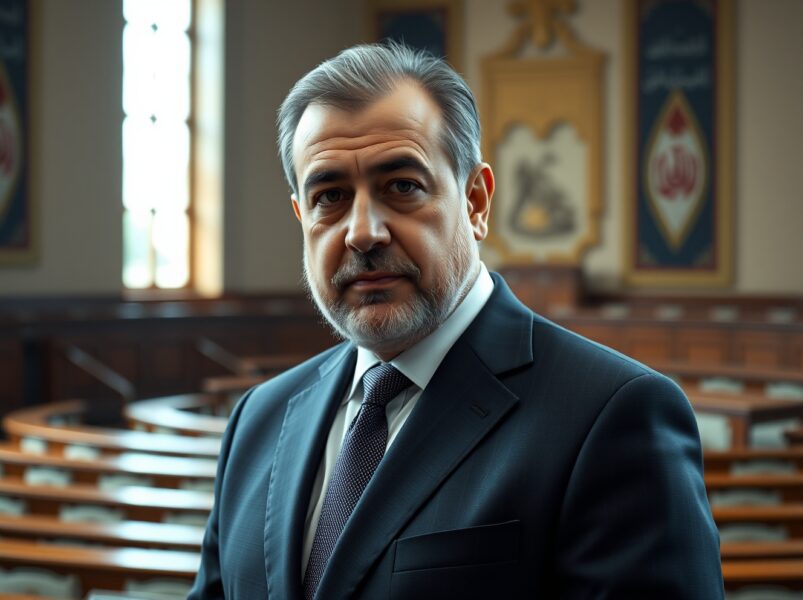
Exclusive: Iranian Parliament Speaker Ghalibaf Leads Critical US Negotiations Amid Diplomatic Tensions
TEHRAN, Iran – March 2025 – A significant diplomatic development has emerged regarding US-Iran relations, as exclusive reporting reveals Iranian Parliament Speaker Mohammad Bagher Ghalibaf now leads negotiations with American officials. This revelation directly contradicts earlier statements from Iranian state media and signals potential shifts in Middle Eastern diplomacy. The Jerusalem Post first reported this development, citing confidential sources familiar with the ongoing discussions.
Iran US Negotiations Take New Direction with Ghalibaf
The appointment of Parliament Speaker Mohammad Bagher Ghalibaf represents a substantial change in Iran’s diplomatic approach. Previously, foreign ministry officials typically handled such negotiations. Ghalibaf brings unique credentials to this role, including his military background as former commander of the Islamic Revolutionary Guard Corps Air Force. Additionally, he served as Tehran’s mayor for twelve years. His political experience spans decades, making him a formidable negotiator.
This development follows months of escalating tensions between Washington and Tehran. Several key issues dominate the negotiation agenda:
- Nuclear program limitations and verification mechanisms
- Regional security concerns involving proxy groups
- Economic sanctions relief and banking access
- Prisoner exchanges and diplomatic protections
Diplomatic analysts note Ghalibaf’s appointment suggests Iran seeks higher-level political engagement. Consequently, this move could indicate progress toward more substantive discussions. However, significant obstacles remain before any breakthrough occurs.
Contradictory Reports Reveal Diplomatic Complexity
The Jerusalem Post’s report directly conflicts with earlier statements from Iran’s state-run Fars News Agency. Specifically, Fars claimed no communication existed between Iranian and American officials. This discrepancy highlights the opaque nature of US-Iran diplomacy. Often, both governments employ strategic ambiguity during sensitive negotiations.
Several factors explain these contradictory narratives:
| Reporting Source | Claim | Timing | Likely Motivation |
|---|---|---|---|
| The Jerusalem Post | Ghalibaf leads negotiations | March 2025 | Reveal diplomatic activity |
| Fars News Agency | No communication exists | February 2025 | Maintain diplomatic deniability |
Such conflicting reports are common in US-Iran relations. Both nations frequently use backchannel communications while maintaining public positions. Therefore, the truth likely involves unofficial discussions progressing toward formal talks.
Expert Analysis of Ghalibaf’s Negotiating Position
Regional diplomacy experts provide crucial context about Ghalibaf’s potential negotiating style. Dr. Anahita Mohseni, Middle East Studies professor at Georgetown University, explains his strategic significance. “Ghalibaf represents the conservative establishment while maintaining pragmatic tendencies,” she notes. “His military background provides hardline credibility, yet his municipal experience demonstrates administrative capability.”
Furthermore, Ghalibaf’s position as Parliament Speaker offers distinct advantages. He operates with considerable political independence while maintaining connections to Supreme Leader Ali Khamenei’s office. This balance could facilitate more flexible negotiations than traditional foreign ministry channels allow.
Historical context illuminates this appointment’s importance. Previously, nuclear negotiations involved Foreign Minister Javad Zarif and President Hassan Rouhani’s administration. Currently, conservative factions dominate Iranian politics. Thus, Ghalibaf’s involvement signals conservative endorsement of potential diplomatic outcomes.
Regional Implications of US-Iran Engagement
Renewed US-Iran negotiations could significantly impact Middle Eastern stability. Several regional powers closely monitor these developments. Israel particularly concerns itself with potential nuclear agreements. Meanwhile, Gulf Cooperation Council members seek assurances about Iranian regional activities.
Key regional implications include:
- Security arrangements for Persian Gulf shipping lanes
- Yemen conflict resolution possibilities
- Syrian reconstruction and Iranian presence
- Iraqi sovereignty and militia influences
European nations also observe these negotiations closely. The European Union previously attempted to preserve the Joint Comprehensive Plan of Action. However, American withdrawal complicated these efforts. Now, potential US reengagement offers new diplomatic opportunities.
Domestic Political Context in Iran and America
Domestic politics significantly influence both nations’ negotiating positions. In Iran, parliamentary elections recently strengthened conservative factions. Ghalibaf’s involvement reflects this political reality. Simultaneously, economic pressures motivate Iranian leadership to seek sanctions relief.
American domestic considerations equally impact negotiations. The US administration balances nonproliferation objectives with regional alliance commitments. Additionally, congressional oversight mechanisms constrain executive diplomatic flexibility. These factors create complex negotiating parameters for both sides.
Timeline of recent US-Iran diplomatic developments:
- 2023: Indirect talks resume in Oman
- 2024: Prisoner exchange agreement implemented
- Early 2025: Nuclear discussions intensify
- March 2025: Ghalibaf’s involvement revealed
Conclusion
The revelation that Iranian Parliament Speaker Mohammad Bagher Ghalibaf leads US negotiations marks a pivotal diplomatic development. This appointment suggests potential progress in resolving longstanding tensions between Washington and Tehran. However, contradictory reports from Iranian media indicate ongoing diplomatic complexity. Regional stability and global nonproliferation efforts depend significantly on these Iran US negotiations. Consequently, international observers will monitor subsequent developments closely. The involvement of a high-level political figure like Ghalibaf provides cautious optimism for substantive dialogue.
FAQs
Q1: Who is Mohammad Bagher Ghalibaf?
Mohammad Bagher Ghalibaf serves as Iran’s Parliament Speaker. Previously, he commanded the IRGC Air Force and served as Tehran’s mayor. He represents conservative political factions with pragmatic governing experience.
Q2: Why is Ghalibaf’s involvement significant?
His appointment indicates high-level political engagement in US-Iran negotiations. As Parliament Speaker, he possesses substantial political authority. This suggests potential conservative endorsement of diplomatic outcomes.
Q3: What contradicts the Jerusalem Post report?
Iran’s state-run Fars News Agency previously reported no communication with US officials. Such contradictory statements are common in sensitive diplomatic situations where governments maintain strategic ambiguity.
Q4: What issues dominate US-Iran negotiations?
Key issues include nuclear program limitations, economic sanctions relief, regional security concerns, and prisoner exchanges. These complex matters require careful diplomatic navigation.
Q5: How do regional powers view these negotiations?
Israel and Gulf nations monitor developments closely. European powers seek diplomatic solutions. Regional stability implications make these negotiations significant beyond bilateral relations.
This post Exclusive: Iranian Parliament Speaker Ghalibaf Leads Critical US Negotiations Amid Diplomatic Tensions first appeared on BitcoinWorld.
0
1

 Manage all your crypto, NFT and DeFi from one place
Securely connect the portfolio you’re using to start.

0
0


0
0