
Bitcoin Mining Could Boost Wind Farm Revenue by 32%, Irish Study Finds

0
0
BitcoinWorld
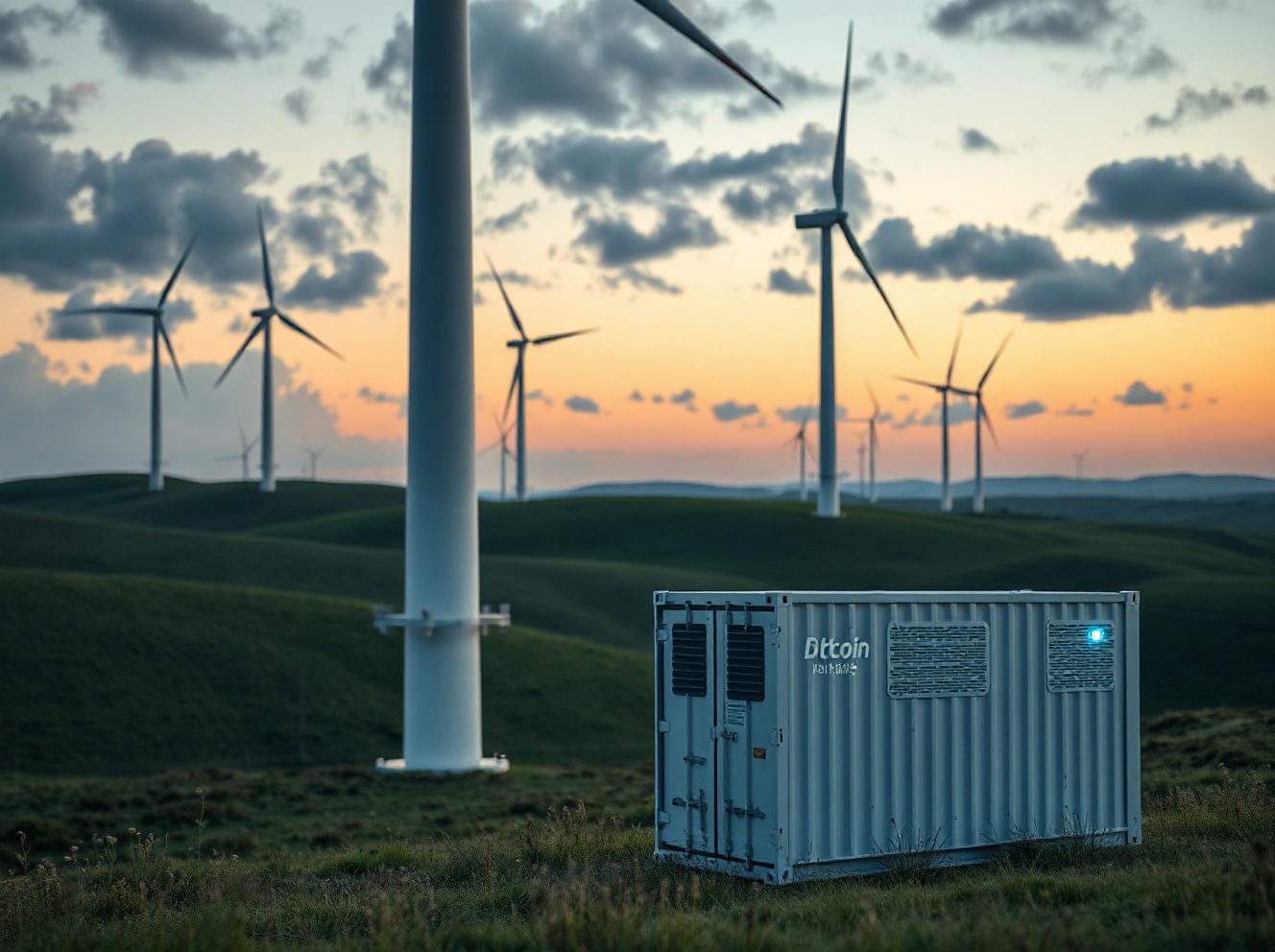
Bitcoin Mining Could Boost Wind Farm Revenue by 32%, Irish Study Finds
Installing Bitcoin mining operations alongside wind farms could significantly increase revenue by capturing electricity that would otherwise be wasted during periods of grid congestion, according to researchers in Ireland.
A study published in the August issue of the peer-reviewed journal Energy Economics examined the economic potential of pairing a 100 MW wind farm with a 20 MW Bitcoin mining facility. The researchers, based at Technological University of the Shannon, found that the mining operation could utilize up to 83% of otherwise curtailed power, boosting combined revenue by approximately 32% compared to wind generation alone.
Why This Matters for Renewable Energy
Curtailment occurs when wind farms are instructed to reduce output because the grid cannot absorb all the electricity being generated, often due to transmission constraints or low demand. This wasted energy represents lost revenue for operators and a missed opportunity for clean power generation.
The study suggests that Bitcoin mining, which requires large amounts of electricity and can be flexibly curtailed, offers a practical solution to this challenge. By co-locating mining rigs at wind farms, operators can turn otherwise lost energy into a profitable activity, improving the financial viability of renewable projects.
The research also highlights that only the latest-generation mining equipment proved economically viable in this setup. Older machines, with lower efficiency and higher energy consumption, were not able to generate sufficient returns to justify their installation, underscoring the importance of technological advancement in mining hardware.
Implications for the Energy and Crypto Sectors
This study adds to a growing body of evidence that cryptocurrency mining can play a constructive role in the energy transition, particularly in regions with high renewable penetration and grid bottlenecks. For wind farm operators, the potential for additional revenue could make future projects more attractive to investors, especially in markets where curtailment is a growing concern.
However, the findings are not without caveats. The economic viability of such projects depends on several factors, including electricity prices, mining difficulty, and the cost of hardware. Fluctuations in Bitcoin’s price and mining profitability could also affect the long-term sustainability of these ventures.
For policymakers, the study offers a potential avenue for reducing curtailment without requiring massive grid infrastructure investments, though it also raises questions about the environmental impact of redirecting renewable energy to cryptocurrency mining rather than storage or other uses.
What Readers Should Understand
While the concept is promising, it is not a one-size-fits-all solution. The research is based on a specific set of assumptions, and real-world outcomes could vary. Nonetheless, it provides a data-driven perspective on how innovative partnerships between the crypto and energy sectors could address shared challenges.
Conclusion
The Irish study presents a compelling case for integrating Bitcoin mining with wind power as a means to enhance revenue and reduce energy waste. As renewable energy expands and curtailment becomes more common, such hybrid models may become increasingly relevant. The findings underscore the importance of continuous hardware innovation and careful economic analysis in determining the feasibility of these ventures.
FAQs
Q1: How does Bitcoin mining help wind farms?
Bitcoin mining can use excess electricity that would otherwise be curtailed due to grid constraints, allowing wind farms to generate additional revenue from otherwise wasted energy.
Q2: What were the main findings of the study?
The study found that a 100 MW wind farm with a 20 MW mining facility could use 83% of curtailed power, boosting combined revenue by about 32% compared to wind alone. However, only the latest-generation mining rigs were economically viable.
Q3: Are there any downsides to this approach?
Yes, the economic viability depends on factors like hardware costs, electricity prices, and Bitcoin’s market value. Additionally, redirecting renewable energy to mining may raise questions about the best use of clean power, especially when compared to storage or other demand-side solutions.
This post Bitcoin Mining Could Boost Wind Farm Revenue by 32%, Irish Study Finds first appeared on BitcoinWorld.
0
0

 Manage all your crypto, NFT and DeFi from one place
Securely connect the portfolio you’re using to start.

0
0


0
0