
Kelp DAO and Aave Are Bringing rsETH Back After a $292M Exploit

0
0

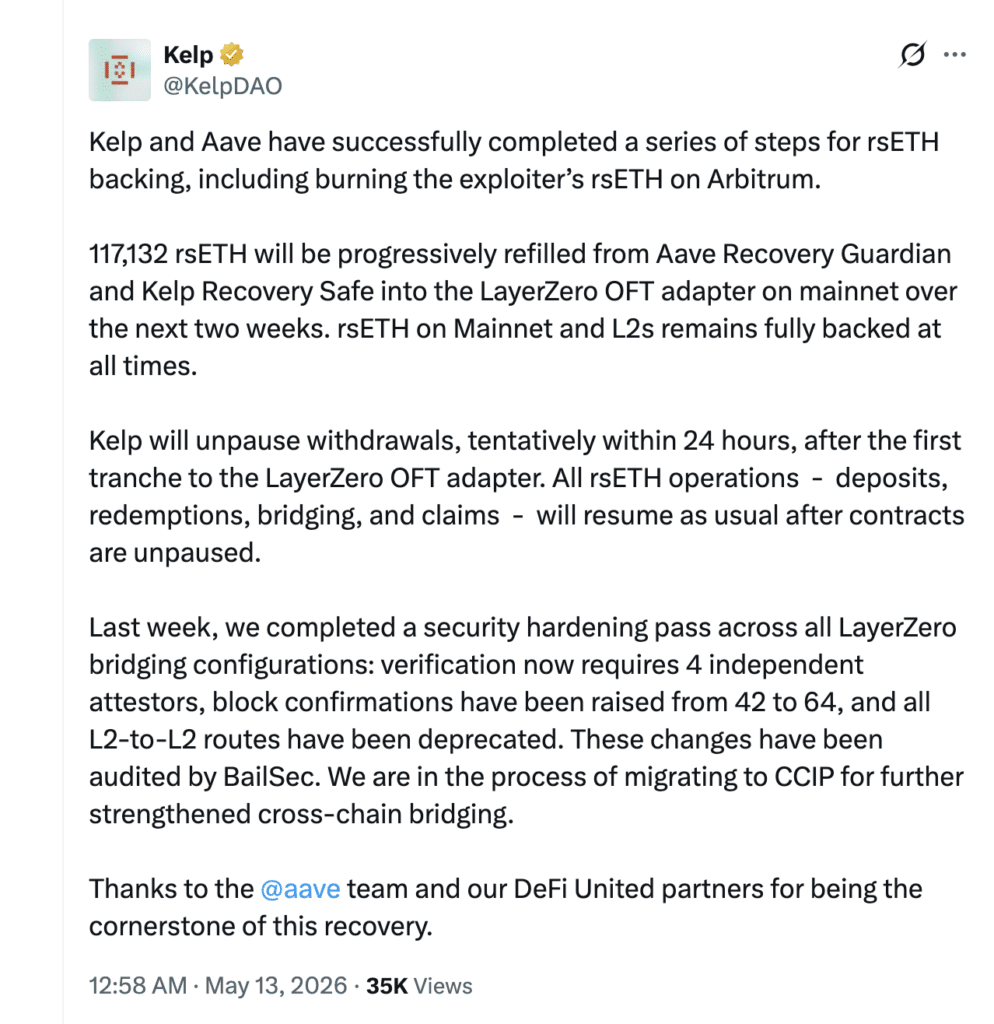
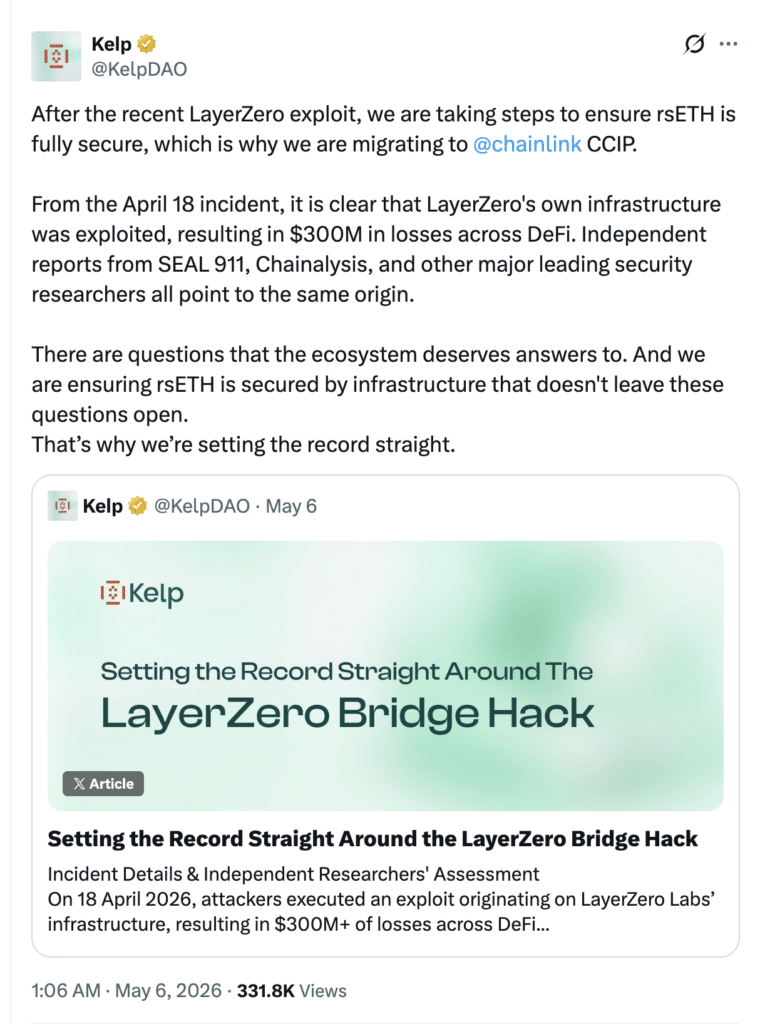
Kelp DAO Aave rsETH recovery is among the largest DeFi recoveries of 2026 a $292 million hack that disrupted cross-chain liquidity flows That is sending panic through lending markets, especially with the Aave thing on rsETH, being forced to suspend time withdrawals and operations too. And indicates that confidence back in the latest recovery cycle lost after locked assets have finally started to refill.
Kelp DAO Aave rsETH recovery is planned and completed in distinct stages, each focused on returning liquidity to proper health while restoring functionality of the protocol with zero additional risk or disruption to users or institutional liquidity providers.
Market Impact and Aave Response
Kelp DAO Aave rsETH recovery is more than a technical correction, it disproportionately influences DeFi market sentiment. Aave saw liquidity stress quickly worsen in the exploit, leading to broader instability among Ethereum-based lending pools as a result of spread volatility. The principle of market-wide risk parameters as mitigations risk are feeding through institutions that are also scaling down exposure waiting for the right signal to enter again This is all feeding into recovering the Kelp DAO Aave rsETH recovery mission, now opening additional space onto liquidity markets returning Aave resume operations with is rsETH in a cautious way.
Overcome by concerns that seemed to have been vanquished, yet of course it is not and market watchers labour the point as confidence claws back. Kelp DAO Aave rsETH Recovery is one of the key reference points for benchmarking resilience under the heat of this stress test in decentralized lending ecosystems.
Security Upgrade and Infrastructure Changes
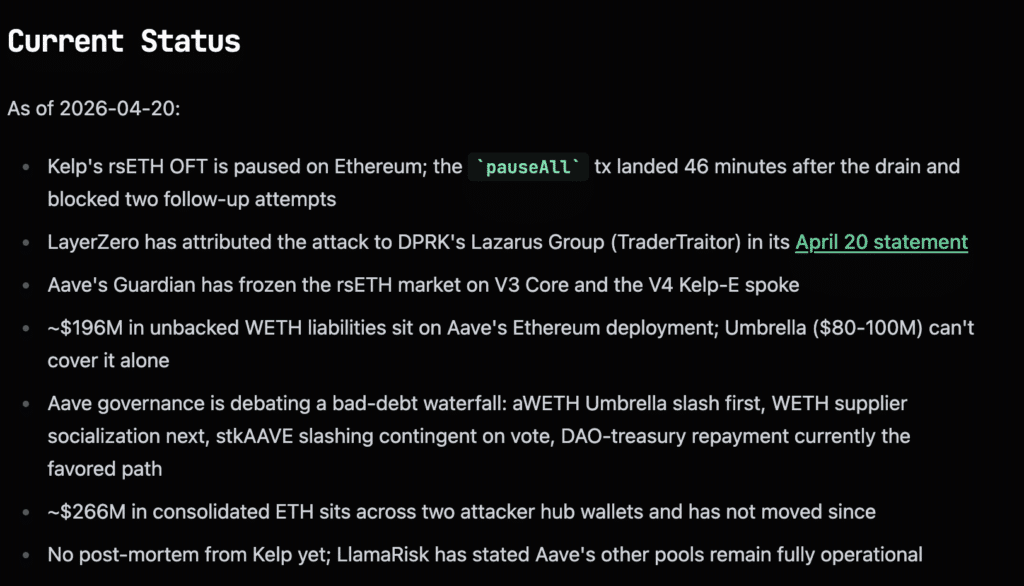
A major part of a redesign on strategies for cross-chain validation and attestation is one of the essential pieces to recovering Kelp DAO’s Aave rsETH. It’s an exploit that was also taking advantage of the validation architecture abuses, specifically around cross chain messaging systems. To mitigate this issue, protocol governance has designed robust multi-validator confirmation frameworks and processes that minimize POI risk associated with single-points-of-failure.
Kelp DAO will also implement an extended security audit plan and new minimum validator participation rules in the course of recovering rsETH from Aave. These changes prevent those kinds of vulnerabilities from ever happening again in the first place. Thus Kelp DAO Aave rsETH recovery appears as repair and upgrade steps to the pipes of DeFi resilience infrastructure.
rsETH Withdrawals and User Impact
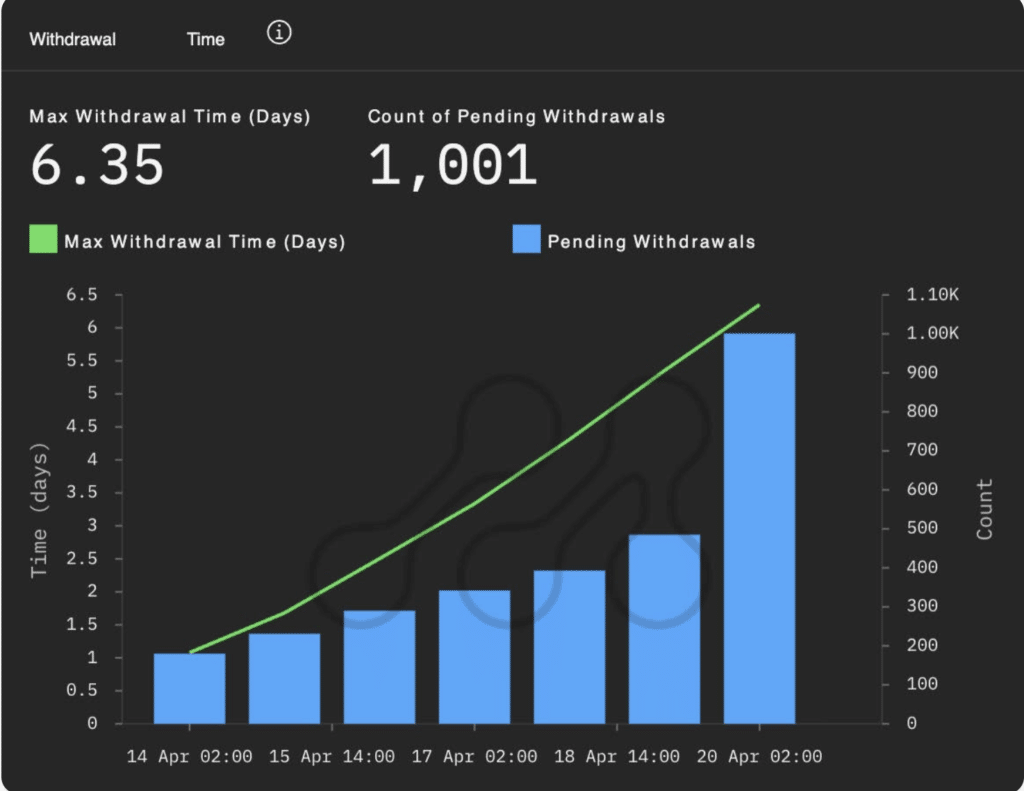
And central to this whole Kelp DAO Aave rsETH recovery process is a gradual RsEth withdrawal re-opening, originally frozen in order to stop any further systemic imbalance. This left users with liquidity problems in the short term, while uncertainty remained high for both retail and institutional players. In carefully managed batches, withdrawals have been gradually re-enabled over time in order to allow for the network to stabilize as recovery phases timeline developed.
Kelp DAO Aave have created a framework designed to protect user assets whilst more importantly restoring normal service. This staged plan has been developed with the principle of fairness for all stakeholders affected by the exploit and a subsequent pause on operations, to distance oneself from liquidity shocks.
stETH max withdrawal time (days) and pending withdrawal count, April 14-20, 2026. Withdrawal times rose steadily from approximately 1 day before the exploit to 6.35 days by April 20, with 1,001 pending withdrawals queued. Source: Metrika
Future Outlook of DeFi Recovery
The long-term outlook of the Kelp DAO Aave rsETH recovery reflects a broader shift in how decentralized finance protocols approach security and risk management. Industry observers suggest that this event may set a benchmark for future exploit response frameworks across DeFi ecosystems. With improved governance structures and enhanced validator accountability, the Kelp DAO Aave rsETH recovery is expected to strengthen trust in cross-chain staking assets like rsETH.
However, analysts also caution that evolving attack vectors remain a persistent threat. The Kelp DAO Aave rsETH recovery therefore represents both a milestone in recovery and a reminder of ongoing systemic risks in decentralized finance.
Conclusion
This is a turning point in the resilience of DeFi infrastructure to make this sort of exploitation possible and we address recent events with the recovery effort at Kelp DAO Aave rsETH. Though operations are returning to normal at light speed here, the incident serves as a powerful reminder of how critical security architecture, transparent governance and active risk management all remained.
However, market participants will be watching closely to see how smoothly operations in rsETH resume, and if the restored confidence can lead to sustained liquidities growth across Aave and related protocols.
Appendix: Glossary of Key Terms
rsETH refers to a liquid staking derivative representing staked Ethereum within Kelp DAO’s ecosystem.
DeFi stands for decentralized finance, a blockchain-based financial system without intermediaries.
Cross-chain messaging is a protocol mechanism enabling communication between different blockchain networks.
Liquidity refers to the availability of assets for trading or withdrawal without significant price impact.
Exploit recovery describes the process of restoring stolen or compromised funds and resuming normal protocol operations after a security breach.
Frequently Asked Questions About Kelp DAO Aave rsETH Recovery
What triggered the Kelp DAO Aave rsETH recovery process?
The recovery process began after a $292 million exploit compromised cross-chain validation mechanisms affecting rsETH liquidity operations.
Are rsETH withdrawals fully open now?
Withdrawals are reopening gradually as part of a controlled recovery strategy to ensure network stability.
How did Aave respond to the exploit?
Aave temporarily paused affected operations and coordinated with Kelp DAO to stabilize liquidity and prevent further losses.
Is the system safe after the upgrade?
Security upgrades have significantly improved validation mechanisms, although ongoing monitoring remains essential.
References
Read More: Kelp DAO and Aave Are Bringing rsETH Back After a $292M Exploit">Kelp DAO and Aave Are Bringing rsETH Back After a $292M Exploit
0
0


 Manage all your crypto, NFT and DeFi from one place
Securely connect the portfolio you’re using to start.


0
0

0
0
