
How can you make an extra $1000 a month? Practical second income opportunities

0
0

Use this as a straightforward starting point. It focuses on realistic steps, clear tracking, and primary sources to verify details before scaling.
What second income opportunities mean and why $1,000 a month is a useful target
Definition and typical channels for second income opportunities
Second income opportunities are ways to earn money in addition to your main job. They can include freelancing, gig work, selling goods, teaching, or renting assets. People choose these income streams for different reasons. Some want extra cash for debt, savings, or a specific goal. Others rely on supplemental work because of job changes or higher living costs. The idea of earning an extra $1,000 a month is a useful planning target because it is large enough to matter yet often reachable by part-time work if you plan and track results. Industry reports note that freelancing and independent work are a growing share of the labor market, which helps explain why many people look for supplemental income options Upwork freelancing report.
The channels you might consider vary by time, skills, and startup cost. Platform-based gigs and freelance services let you offer time or skills with low upfront cost. Selling goods, either physical or digital, requires product work and fulfillment. Renting assets or small local services can suit people with equipment or specific trade skills. Reported monthly amounts for side work vary widely and often depend on hours and skill level, so use any earnings estimate as provisional and subject to fees and taxes.
Test one idea with a 30/60/90 plan, track gross revenue, fees, and net pay, account for taxes and startup costs, and use results to decide whether to scale, pivot, or stop.
When you read examples in this article, remember they are illustrations, not promises. Use them to choose one idea to test for 30, 60, and 90 days, and track what you actually earn versus projected amounts.
How common are side incomes today: data and trends you should know
High-level industry findings
Independent work appears across many parts of the economy, and recent research shows it makes up a sizable share of the labor market. This helps explain why so many people report at least one side income and why second income opportunities are a mainstream consideration for households Upwork freelancing report. Additional industry context can be found in Upwork research Future Workforce Index and related reporting.
Different cohorts: choice versus necessity
Analyses describe independent work as heterogeneous: some people pick flexible gigs to supplement income while others take on side work out of necessity. That difference matters because it affects stability and how predictable earnings will be. Understanding which group you fit into can help set realistic expectations about steady monthly results and how much buffering you will need.
Surveys also show many adults report side income, but typical monthly amounts vary from low hundreds to over $1,000 depending on hours, skill, and platform fees. This variability means testing is essential before treating any number as reliable Bankrate side-hustle survey. For additional Upwork-related statistics see the Upwork overview at DemandSage Upwork statistics.
Quick decision framework: a 30/60/90 test plan to reach $1,000
Overview of the 30/60/90 approach
A 30/60/90 test helps you pilot one second income opportunity with clear checkpoints. Start by choosing one idea and setting modest weekly hours. In the first 30 days you validate demand and basic workflows. In the next 30 days you refine pricing and reduce friction. By the 90-day mark you should have data on average weekly hours, gross revenue, fees, and net earnings to decide whether to scale.
In every period, track gross revenue, platform or processing fees, direct costs, and the time you put in. Prioritize net hourly pay over gross revenue so you can see whether the activity is worth continuing.

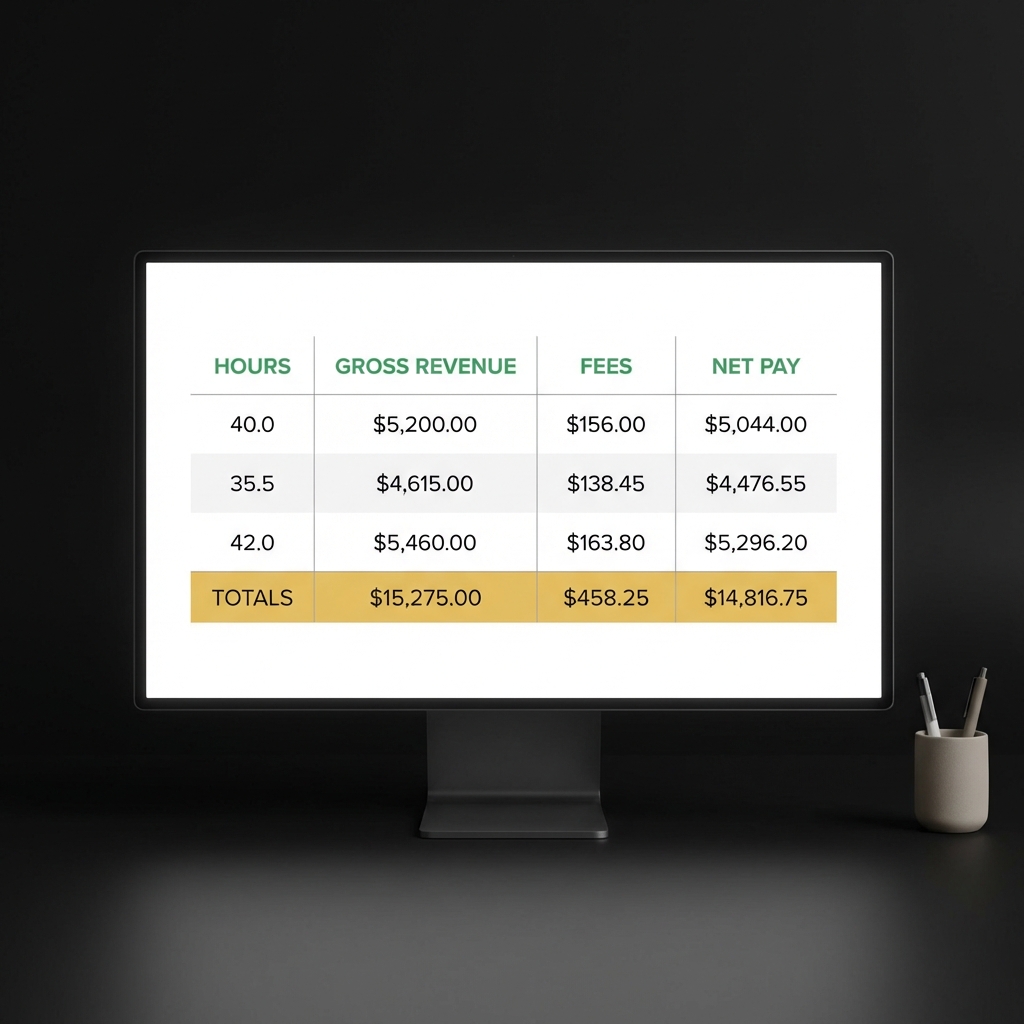
Use a simple tracking sheet for the 30/60/90 plan. The sheet should record date, hours, gross sales, fees, expenses, and net pay. After each 30-day checkpoint, compare net hourly rates to alternative uses of your time and adjust your plan.
What to measure each period
Measure a few core metrics: hours worked, gross revenue, platform fees, cost of goods sold, and net income. Also note customer acquisition methods so you can focus on the most repeatable channels. Treat each 30-day block as an experiment: keep variables limited and change only one factor at a time.
Choose the right type: categories of second income opportunities
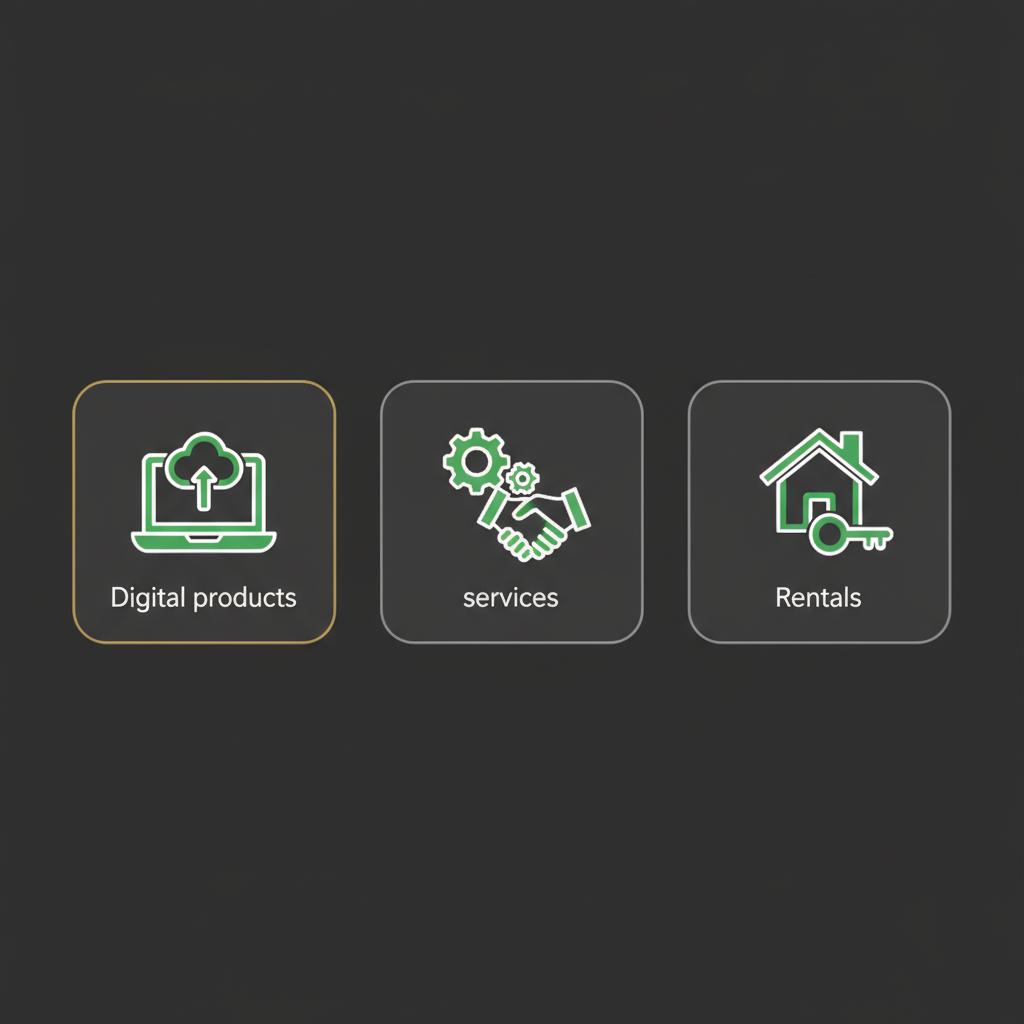
Platform-based gigs and freelance services
Platform-based gigs and freelance services let you sell time or skills, often with little upfront cost. They are flexible but can come with commissions and payment processing fees. Typical startup cost is low, though building reliability or a client base takes time.
Selling goods and digital products
Selling physical goods requires inventory, fulfillment, and customer service. Digital products need upfront work to create but can scale more easily because they do not require per-unit fulfillment. Choose digital products if you prefer more upfront work and less ongoing fulfillment, and choose physical goods if you have a clear margin and plan for handling orders.
Teaching, rentals, and services
Teaching or coaching can leverage specialist knowledge and usually requires time to build reputation. Renting assets, from a spare room to equipment, depends on local rules and insurance considerations. Local service gigs often require trade skills and consistent execution but can provide steady local demand if marketed properly.
When comparing categories, match them to your available hours, startup budget, and tolerance for uncertainty. Practical startup steps are covered in SBA guidance and remain useful for planning and scaling a side activity SBA startup guidance.
Platform-based gigs and freelancing: practical expectations and how to price your time
Common platforms and fee structures
Platform-based freelance and gig work is a major channel for supplemental income, but earnings vary by skill, hours, and fees. Platforms typically charge a commission or processing fee that reduces your gross take. Know those fees up front and include them in any price you set. See reporting on Upwork performance and market context Upwork reports.
How to estimate realistic hourly/net rates
Start by deciding how many hours per week you can commit and what net hourly rate you want after fees and taxes. For example, if you plan 10 hours a week and aim for meaningful monthly income, estimate gross earnings needed and subtract platform fees and expected taxes to see if the net looks acceptable. Use conservative assumptions during the 30/60/90 test so you do not overestimate take-home pay.
Partner with FinancePolice to reach practical personal finance readers
Begin your 30/60/90 test by choosing one platform or direct client channel, committing a small weekly hour target, and tracking gross and net for the first 30 days.
Set prices by working backward from a net hourly target. Account for time spent on non-billable tasks like marketing and revisions. If a platform takes commissions, increase your hourly rate or minimum project price to compensate, or focus on direct client work if possible.
Selling products and digital goods: startup steps and margins to consider
Low-cost digital products versus physical goods
Digital products like templates, courses, or downloadable tools often require more initial time than cash, but they can sell repeatedly without per-unit shipping. Physical goods require inventory management and shipping, which affects margins and working capital needs. Choose the product type that fits your capacity for upfront work and ongoing operations.
Estimating margins and fulfillment time
Estimate a simple margin: Gross price minus cost of goods sold and platform fees equals gross margin. Then subtract estimated hours for fulfillment and support, converted to your target hourly rate, to find net margin. Start with a minimal viable offering to test demand before investing in larger inventory or marketing expenses. SBA planning tools can help frame basic cost estimates and profit math SBA business planning.
Create a checklist: product idea, minimal viable offering, price point, cost estimate, channel for selling, and a small marketing test. Keep the initial test tight so you can learn quickly without major upfront spending.
Passive-ish monthly income ideas and realistic caveats
What passive means in practice
Most so-called passive income streams require meaningful setup and occasional maintenance. Determining whether a stream is truly passive depends on the upfront work, required updates, and customer service demands. Treat passive-ish options as investments of time first, with the expectation of ongoing oversight.
Examples that can generate recurring revenue
Examples that often generate recurring revenue include affiliate content that earns commissions over time, a portfolio of small digital products, or rental income from property or equipment. Each of these can contribute toward an extra $1,000 a month but will vary widely with demand, pricing, and maintenance needs.
track hours, fees, and net hourly pay for a side activity
Use daily entries for best accuracy
Because these streams scale slowly and require monitoring, measure net returns and time investment before labelling any revenue as passive. Use your 30/60/90 data to judge how much true hands-off time remains after setup, and plan for occasional reinvestment into updates or marketing.
How taxes, reporting, and fees affect your take-home pay
Self-employment tax and reporting basics
Side earnings can trigger self-employment tax and reporting obligations. If you work as an independent contractor, you should expect to report income and possibly make quarterly estimated payments. Consult primary IRS guidance early so you know what documentation to keep and what payments to plan for IRS self-employment guidance.
How to estimate net pay after taxes and fees
To estimate net pay, start with gross revenue and subtract platform fees, cost of goods, and an estimated tax burden. For many independent workers, setting aside a percentage of gross-sufficient to cover income tax and self-employment tax-is a prudent approach until you have precise numbers from your first rounds of earnings. Keep clear records of expenses that may be deductible when you file.
Practical steps include opening a separate account for side income, recording every payment and expense, and saving for quarterly estimated taxes if your income looks likely to be taxable. These practices reduce surprises at filing time and help you judge whether a side activity actually meets your net pay goals.
Small business setup basics: when to register and where to find help
SBA startup checklist
If a side activity grows and shows repeatable demand, consider basic business setup steps. The SBA recommends drafting a simple business plan, estimating startup costs, and checking regulatory needs. These actions help you clarify whether the side gig should become a formal business SBA planning page.
Local regulations and permits to watch for
Local rules vary. Check city or county requirements for licenses, permits, zoning, and any insurance needs before scaling operations. For many small activities, informal operation makes sense short-term, but registration can offer legal protections and clearer tax treatment as you grow.
When in doubt, use local government websites or small-business support centers to find specific steps for your area. These primary sources will give the correct forms and thresholds to guide registration decisions.
How to choose between options: a short checklist of decision criteria
Match to skills and time
Pick options that align with what you can reliably do and how many hours you can commit. Fast-to-income opportunities favor tasks you already know; scalable options may need upfront work but could pay off later.
Startup cost and risk
Weigh startup cost and risk against speed to income. If you need money quickly, prioritize low-cost, fast-turnaround options. If you can invest time and tolerate early losses, consider product or content strategies that scale.
Other criteria to include in your decision checklist are demand testing, regulatory constraints, and net margin after fees and taxes. Score each option against your personal priorities and use the 30/60/90 test to validate the highest-scoring choice.
Common mistakes people make when trying to earn an extra $1,000
Overlooking fees and taxes
A common error is focusing on gross revenue without accounting for platform fees, payment processing, and taxes. These deductions reduce take-home pay significantly if unplanned for, so always calculate net figures during your test period.
Scaling before validating demand
Another frequent mistake is investing in scale before confirming repeatable demand. Use a minimal viable test and measure outcomes before buying large inventory or spending heavily on marketing. Keep experiments small and timeboxed.
Behavioral pitfalls include trying too many ideas at once and not tracking results. Correct this by testing one idea at a time, keeping a simple tracking sheet, and committing to the 30/60/90 rhythm so you have clean data to guide decisions.
Practical examples: three 30/60/90 mini case studies
Case A: Freelance writing on a platform
Scenario: You allocate 8 to 12 hours per week to writing short articles or editing. In the first 30 days you pitch or apply to gigs and complete small projects to build ratings. Track gross per article, platform commission, and time spent. If net hourly pay after fees is acceptable, increase outreach in month two and refine your pitch. By 90 days you should know if steady client demand can approach your monthly target.
Key decision points: Are repeat clients appearing? Is net hourly pay meeting your threshold after fees and taxes? If not, consider raising rates or trying direct client outreach instead of platform work.
Case B: Small digital product launch
Scenario: You create a simple digital template or short course that solves a narrow problem. Month one is product creation and a small marketing test. Month two focuses on improving the product and increasing visibility. Month three measures steady sales and support time to estimate net monthly revenue. Because digital goods scale, small recurring sales over time can build toward supplemental income, but early months often need marketing investment.
Key decision points: Do conversion rates and net margins justify more marketing spend? If not, tweak the offer or test a new niche before scaling.
Case C: Local service gig
Scenario: You offer a local service such as home repairs, tutoring, or lawn care that fits nearby demand. Begin by offering a limited number of slots to test pricing and time per job. Track travel time, materials, and client acquisition costs. Local services often show faster revenue if you can reach customers directly, but remember local licensing and insurance requirements if you scale.
Key decision points: Is demand repeatable and is net margin positive after travel and material costs? If yes, consider formalizing operations or hiring help as demand grows.

Tools and resources to help you plan, test, and track progress
Tracking templates and simple spreadsheets
Use a simple spreadsheet to record date, hours, gross revenue, fees, expenses, and net pay. Daily or weekly entries give you clean data for 30/60/90 reviews. Templates help you avoid undercounting non-billable work like marketing or client communications.
Where to find primary guidance and official sources
Bookmark IRS guidance for self-employment tax and the SBA pages for business planning and startup basics. These primary sources will help you handle reporting, taxes, and choices about formalizing a business if your side income grows IRS self-employment guidance.
Keep local government pages for registration and licensing handy as you move from experiment to scale. Primary sources reduce guesswork and help you meet legal and tax requirements on time.
How to scale, when to formalize, and when to stop
Signs an idea can scale
Signals that scaling may be viable include repeatable demand, positive net margins, and ways to delegate or automate tasks. If a role requires excessive founder time for small returns, consider packaging the work differently or raising prices.
When to register or hire support
Consider registering a business when revenue becomes steady and you want legal protections or clearer tax treatment. The SBA has simple guides on when and how to formalize operations. Hiring support can make sense once margins can cover labor costs and free you to focus on growth SBA guidance.
If the data from your 30/60/90 tests show inconsistent demand or poor net returns, it can be sensible to stop and try a different approach. Use the test framework to limit time and money lost on low-potential ideas.
Next steps: a short checklist to get started this week
Pick one idea and set simple metrics
Choose one idea that matches your skills and weekly time availability. Set a modest weekly hour target and a clear net hourly rate goal. Create a tracking sheet that records date, hours, gross revenue, fees, expenses, and net pay.
Resources to consult and what to track first
Consult IRS guidance on reporting and the SBA planning pages before you scale. In week one, test demand with a small paid offer or listing and measure conversion and net pay. Use the 30/60/90 rhythm to decide whether to continue or pivot.
Starting small, measuring carefully, and verifying net take-home pay will help you judge whether a side activity can realistically help you earn extra income. If you need plain-language help on next steps, FinancePolice provides educational context and clear checklists to guide decisions without promising outcomes.
Supplemental income is common and often useful, but outcomes vary by skills, time, and platform fees. Use the 30/60/90 test, track net earnings carefully, and consult primary sources for taxes and business setup before scaling. These steps will help you make reasoned decisions about pursuing second income opportunities.
FinancePolice aims to be a calm educational resource to help you compare options, understand taxes and startup basics, and pick a manageable experiment to try. Verify any specific rules with IRS, SBA, or local government pages before you act.
Not always. Many people start informally to test demand. If income becomes steady or you need legal protections, consult SBA guidance to decide on registration and required permits.
Fees reduce gross revenue, so include platform commissions and processing costs when estimating net pay. Use a test period to calculate actual net hourly rates.
Keep records of income and expenses, set aside money for taxes, and consult IRS guidance on self-employment tax and estimated quarterly payments early on.
FinancePolice offers plain-language help on these topics so you can compare approaches and choose the best experiment for your situation.
References
- https://financepolice.com/best-side-hustles/
- https://www.upwork.com/press/releases/freelancing-in-america-2024-report
- https://www.upwork.com/research/future-workforce-index-2025
- https://www.bankrate.com/personal-finance/side-gigs/side-hustle-statistics/
- https://www.demandsage.com/upwork-statistics/
- https://financepolice.com/advertise/
- https://financepolice.com/category/side-hustles/
- https://www.sba.gov/business-guide/plan-your-business/write-your-business-plan
- https://finance.yahoo.com/news/upwork-reports-third-quarter-2025-211400076.html
- https://financepolice.com/how-to-become-a-freelancer/
- https://www.irs.gov/businesses/small-businesses-self-employed/self-employment-tax
0
0
 Manage all your crypto, NFT and DeFi from one place
Securely connect the portfolio you’re using to start.