
How much Bitcoin should a beginner buy? A practical starter plan

0
0
FinancePolice presents clear, evidence-based guidance. Use this as a starting point, confirm jurisdiction-specific rules, and avoid treating the guide as personal financial advice.
best way to buy cryptocurrency: What buying Bitcoin means and why it is risky
Bitcoin is a digital asset people buy and hold like a store of value or a speculative investment. It is not the same as bank savings and should not be used for emergency cash. Regulators and consumer-protection bodies repeatedly describe cryptoassets as highly speculative and advise treating them differently from insured bank accounts, which affects how a beginner should think about any purchase FCA crypto guidance.
The price of Bitcoin can move a lot in short periods. Liquidity and market structure matter: more trading venues and products can make it easier to buy or sell, but they do not remove sharp swings in price. Adoption and new products increased retail access and liquidity in recent years, yet extreme volatility remains a defining feature of the market Chainalysis market and adoption report, and our recent price analysis is available here.
Download the FinancePolice starter checklist
Copy the starter checklist in the Summary section to keep your first Bitcoin purchase small and clearly documented.
As a result, many regulators recommend people only use capital they can afford to lose when buying Bitcoin. That guidance is about protecting everyday investors from large losses and from treating speculative holdings like savings or near-term funds SEC investor bulletin.
To be clear for beginners: owning a small amount can be part of a learning process. But this should be done within a wider financial plan. The decisions you make about custody, fees, and tax rules matter as much as the purchase amount.
Should Bitcoin be part of your financial priorities? A quick checklist before you buy
Before buying any Bitcoin, confirm you have a short-term safety net. An emergency fund that covers essential expenses for several months is the basic foundation to protect you from needing to sell speculative holdings at a bad time.
If you carry high-interest consumer debt, prioritize paying that down first. Regulators and consumer advisers consistently recommend addressing debt and emergency savings before adding speculative assets to your portfolio FINRA guide to virtual currencies.
Think about your time horizon. Bitcoin is poorly suited to near-term goals, such as saving for a down payment or upcoming tuition. If you may need the money within a few years, more stable, liquid options are usually a better fit.
Use a simple decision checklist: emergency fund in place, manageable high-interest debt, clear time horizon longer than three to five years, and an allocation cap you are comfortable with. If any of these are missing, pause and address the priority first.
How to decide how much Bitcoin to buy: simple allocation frameworks
One practical way to choose a starting size is to set Bitcoin as a small percentage of your investable assets. Many practitioners in 2026 suggest low single-digit percentages for conservative profiles and a somewhat larger range for moderate risk tolerance. These ranges are illustrative examples rather than prescriptions Chainalysis market and adoption report.
Start by defining your investable assets. Use assets you can reasonably allocate without touching emergency savings or funds for essential short-term goals.

A safe approach is to confirm emergency savings and manageable debt, define investable assets, set a small allocation cap aligned with your risk tolerance, and follow a step-by-step purchase checklist while documenting transactions.
Here are three simple allocation labels to consider. These examples assume you meet the checklist from the previous section and that this allocation is part of a diversified portfolio.
Conservative example: 1% of investable assets. This keeps exposure small so short-term swings have limited portfolio impact.
Moderate example: 3 to 5% of investable assets. This raises potential upside while still limiting the share of your portfolio at risk to a manageable portion.
Higher-risk example: 6 to 10% of investable assets. This level is for those who accept larger swings and the possibility of total loss. It is appropriate only after confirming financial foundations are solid.
Dollar-cost averaging versus lump-sum: practical pros and cons
Dollar-cost averaging, or DCA, means buying a fixed amount regularly over time. Lump-sum means buying the full planned allocation at once. Historical analyses to 2024 show lump-sum tended to outperform in prolonged rising markets, while DCA reduced short-term drawdown risk and helped manage timing mistakes Glassnode analysis of DCA versus lump-sum.
Behaviorally, DCA is useful for beginners who would otherwise delay buying or feel paralyzed by volatility. Spreading purchases can also reduce regret when prices fall soon after an initial buy.
On the other hand, if you believe markets are more likely to rise and you want full exposure early, lump-sum captures that potential sooner. The tradeoff is higher short-term risk and the need to accept larger drawdowns.
Practical step: pick the approach that matches both your finances and your psychology. If you plan DCA, automate it. If you prefer lump-sum, consider starting with a smaller test buy and a clear allocation cap to limit emotional reactions.
Choosing an exchange or wallet and checking custody, fees, and tax implications
Choose between custodial platforms, where a provider holds your private keys, and self-custody wallets, where you control keys. Custody choice affects control, convenience, and risk. Regulator alerts stress the importance of understanding custody and when a platform holds your assets versus you holding them SEC investor bulletin and the SEC model framework.
Check common fees before you buy: trading fees, spreads, deposit and withdrawal fees, and any management fees for indirect products such as funds or ETFs. Fees can erode returns and are easy to overlook when focusing on price alone.
Also confirm local tax rules and recordkeeping needs. Different jurisdictions treat crypto gains and reporting in varied ways; understanding obligations in your area avoids surprises at tax time and supports accurate filings.
Practical examples: sample allocations for different beginner profiles
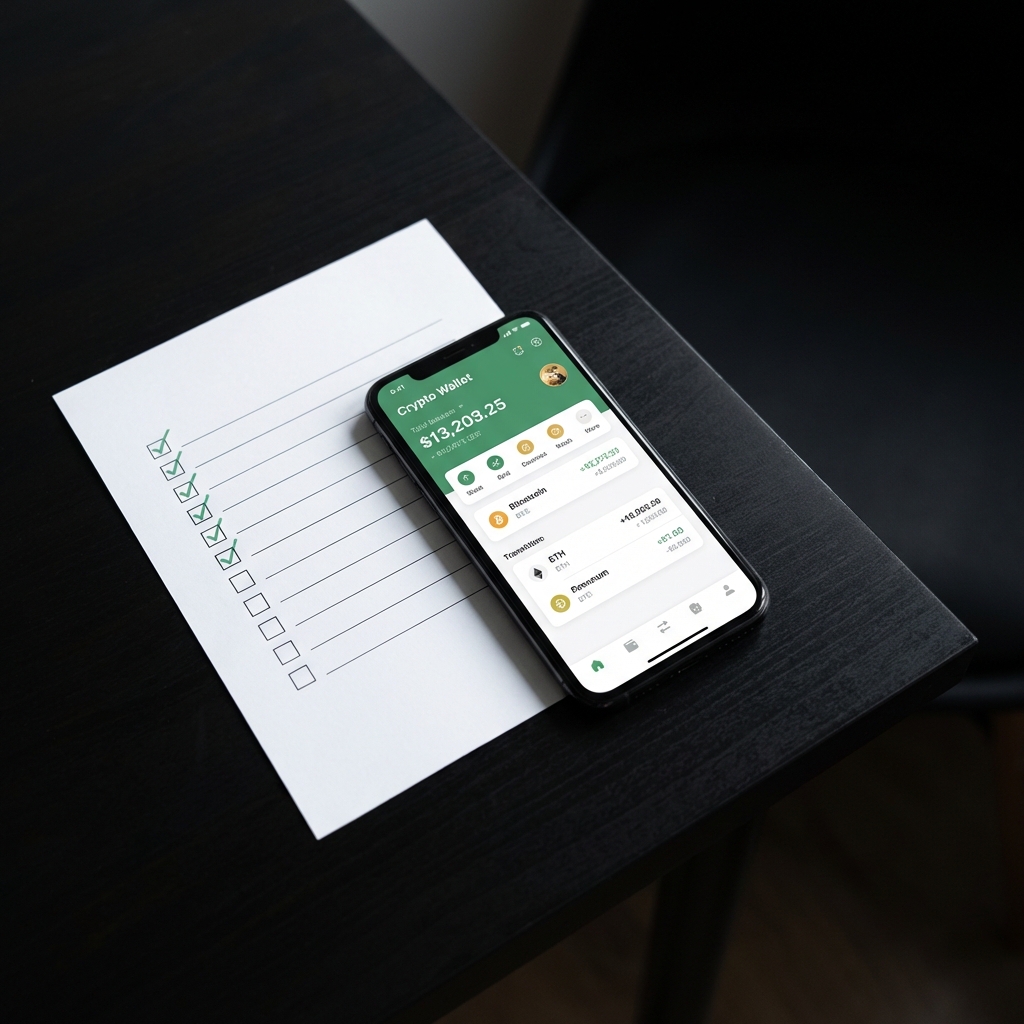
Conservative investor example: You have solid emergency savings and low consumer debt. With 1% allocation to Bitcoin, a $100,000 investable-assets base would mean $1,000 exposure. This keeps potential portfolio impact small while allowing learning and participation in the asset class.
Moderate investor example: With longer time horizon and higher risk tolerance, a 3 to 5% allocation on the same $100,000 base equals $3,000 to $5,000. This raises exposure to potential upside but increases the size of swings you must tolerate.
Higher-risk investor example: Those comfortable with substantial volatility might choose 6 to 10%. At these levels, plan for large drawdowns and consider whether you can emotionally accept a large temporary or permanent loss.
All examples assume you have an emergency fund and no pressing high-interest debt. They are illustrative, not recommendations, and should be adapted to your financial situation.
Step-by-step checklist: actions to take the first time you buy Bitcoin
Pre-purchase checks: confirm emergency fund, pay down high-interest debt, and document the amount you classify as investable assets. See related personal finance articles.
Choose platform and custody: compare fees, custody models, verification requirements, and ease of withdrawals. Read platform terms and confirm any withdrawal limits or lock-up rules.
a simple first-time buy checklist for beginners
Keep each step brief and documented
The first purchase process: start with a small test buy to verify account setup and custody. Confirm the asset arrives in the chosen wallet or account and that transaction fees and times matched expectations.
Immediate post-purchase: save transaction records for tax, update your portfolio allocation tracking, and set written exit rules. Treat the first buy as an experiment and a learning opportunity rather than a decisive long-term commitment.
Tax, reporting, and fees: what beginners often overlook
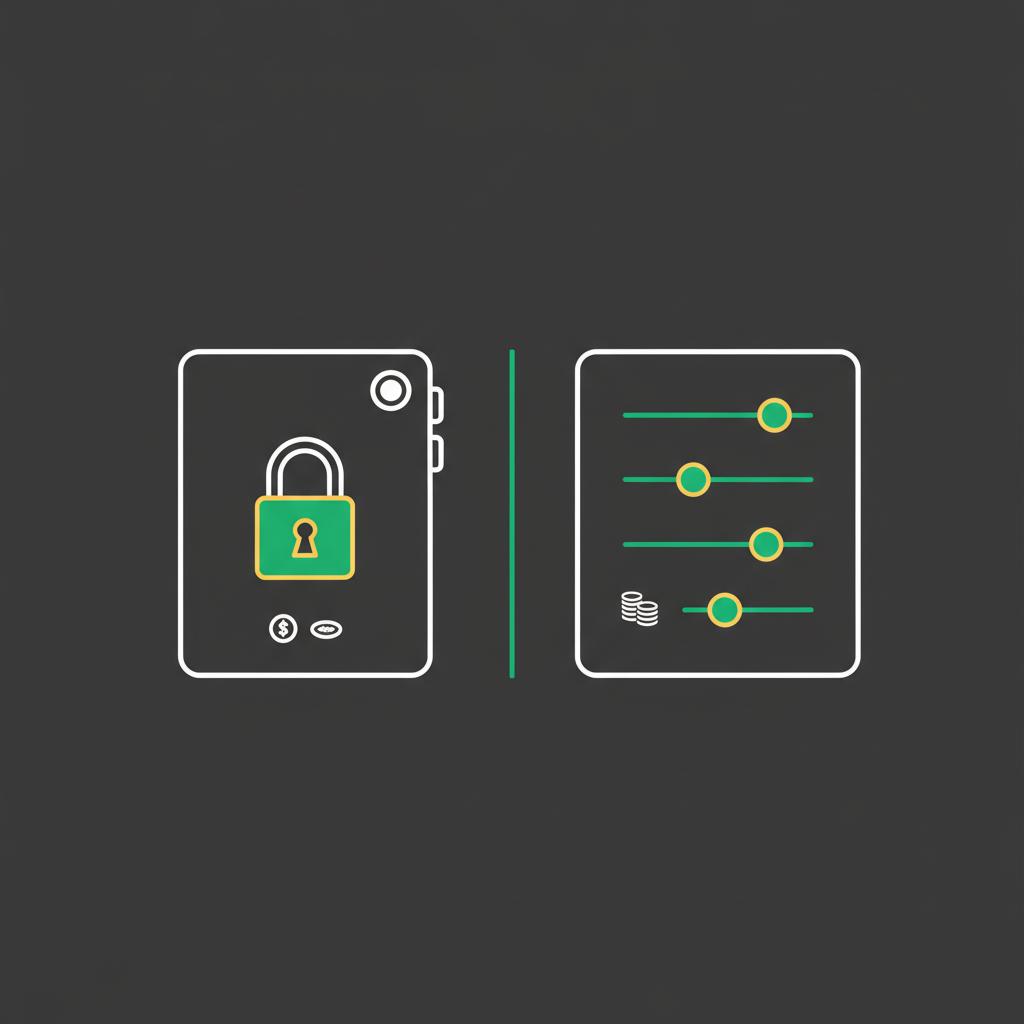
Tax treatment for crypto varies by country. In many jurisdictions, taxable events include selling for fiat, trading for other crypto, or using crypto to buy goods. Check local rules before buying and keep clear records for each transaction SEC investor bulletin.
Fees reduce effective returns. Look beyond headline trading fees to spreads, deposit charges, and withdrawal costs. For ETFs or funds, check management fees and tracking differences. Small, frequent purchases can increase costs if fees are per trade.
Recordkeeping best practices: export transaction histories, save deposit receipts, and note purpose for each trade. Good records simplify tax reporting and reduce the risk of missing a taxable event.
Common mistakes beginners make when buying Bitcoin and how to avoid them
One common mistake is overallocating while lacking an emergency fund. This exposes you to forced selling during market stress. Keep speculative exposure within a percentage you can afford to lose.
Poor custody choices and scams cause many avoidable losses. Verify platform URLs, enable multifactor authentication, and be wary of social-media investment claims. Regulator guidance warns about fraud and the need to verify custody arrangements before transferring funds FCA crypto guidance.
Trying to time the market often leads to emotional trading and worse outcomes. Simple rules, written in advance, reduce impulse decisions and help you stick to your plan.
How to set exit rules and handle volatility in practice
Set mental or written exit thresholds before you invest. These can be percent-based limits, time-based reviews, or rebalancing triggers. Having a rule reduces the chance of panic selling when prices move sharply.
Compare rebalancing and fixed exits: rebalancing restores your target allocation periodically, while fixed exits lock in gains or limit losses at set price points. Rebalancing fits long-term allocation goals; fixed exits suit tactical risk limits.
Be cautious with hard stop-loss orders in crypto. Due to slippage and thin liquidity at times, a stop can execute at a much lower price than intended. Consider mental or limit-based approaches rather than automatic market stops.
Security basics: wallets, private keys, and custody options explained
Hot wallets are connected to the internet and are convenient for trading and small amounts. Cold wallets store keys offline and reduce exposure to online theft. Choose based on how often you will transact and the size of your holding.
Key management basics: keep your seed phrase or private key offline, make multiple secure backups, and never share keys. Losing keys can mean permanent loss of access, while sharing keys or entering them on unknown sites can invite theft.
Third-party custody suits those who prefer convenience or who use institutional products. It shifts responsibility for security to the custodian but introduces counterparty and platform risk. Read custody terms and confirm any insurance or recovery policies offered by the provider Chainalysis market and adoption report and review custody basics for retail investors.
Behavioral tips: how to reduce regret and stick to your plan
Write down your allocation cap and purchase plan. A written plan helps you avoid impulsive changes after large price moves. It also makes reviewing decisions easier and less emotional.
Automated purchases are a useful tool when you choose DCA. Scheduling transfers and buys removes the need to pick market moments and can turn a plan into a routine.
Limit price checking. Frequent monitoring amplifies emotional reactions to normal volatility. Set scheduled portfolio reviews and stick to them unless something significant changes in your financial situation.
When buying Bitcoin might not be right for you: red flags and alternatives
Consider postponing Bitcoin purchases if you lack an emergency fund, have high-interest debt, or need funds within a short time horizon. These are clear red flags to delay speculative buys.
Safer alternatives include strengthening your emergency fund, paying down debt, or using low-cost diversified investments for the core of your portfolio. These steps build financial resilience before you add speculative exposure.
Revisit the decision periodically. As your financial situation changes, you can reassess whether a small allocation to Bitcoin fits your broader plan and risk tolerance.
Summary and a safe, simple starter plan for beginners
Key points: treat Bitcoin as speculative, confirm emergency savings and manageable debt first, choose custody and platform carefully, and keep exposure small relative to investable assets. Small, clearly bounded allocations let you learn without risking essential funds Chainalysis market and adoption report, and see our crypto section on Finance Police for related coverage.
Starter checklist you can copy: 1) Confirm emergency fund and manage high-interest debt. 2) Define investable assets and set an allocation cap. 3) Choose custody model and platform, noting fees. 4) Make a test buy, confirm receipt, and save records. 5) Set exit rules and schedule periodic reviews.
Next steps: verify local tax rules, automate purchases if using DCA, and keep learning. Use primary sources and regulator pages when you need jurisdiction-specific details.
Beginners often start with a small, clearly bounded percentage of investable assets, such as low single digits for conservative profiles or 3-10% for moderate risk tolerance; confirm emergency savings and manageable debt first.
DCA can reduce short-term drawdown risk and help manage timing anxiety, while lump-sum has historically outperformed in prolonged rising markets; choose the method that fits your psychology and finances.
Yes. Custody choice affects control and risk, and tax treatment varies by jurisdiction; verify platform custody, fees, and local tax rules and keep clear transaction records.
For more detail on advertising and partnerships related to FinancePolice content, visit the site contact page to discuss options and reach the team.
References
- https://www.fca.org.uk/consumers/cryptoassets
- https://blog.chainalysis.com/reports/2025-crypto-market-overview
- https://financepolice.com/bitcoin-price-analysis-btc-slips-below-90000-as-leveraged-liquidations-rock-market/
- https://www.sec.gov/oiea/investor-alerts-and-bulletins/ib_cryptocurrencies
- https://www.finra.org/investors/learn-to-invest/types-investments/virtual-currencies
- https://insights.glassnode.com/dca-vs-lump-sum-bitcoin-2024
- https://www.sec.gov/files/custody-rule-modernization-model-framework-121925.pdf
- https://financepolice.com/advertise/
- https://financepolice.com/
- https://financepolice.com/category/crypto/
- https://financepolice.com/category/personal-finance/
- https://www.investor.gov/introduction-investing/general-resources/news-alerts/alerts-bulletins/crypto-asset-custody-basics-retail-investors-investor-bulletin-0
- https://www.sec.gov/newsroom/speeches-statements/trading-markets-121725-statement-custody-crypto-asset-securities-broker-dealers
0
0


 Manage all your crypto, NFT and DeFi from one place
Securely connect the portfolio you’re using to start.


0
0


0
0