
The Airbnb CEO X Hack Had No Scam Links — That’s the Problem

0
0
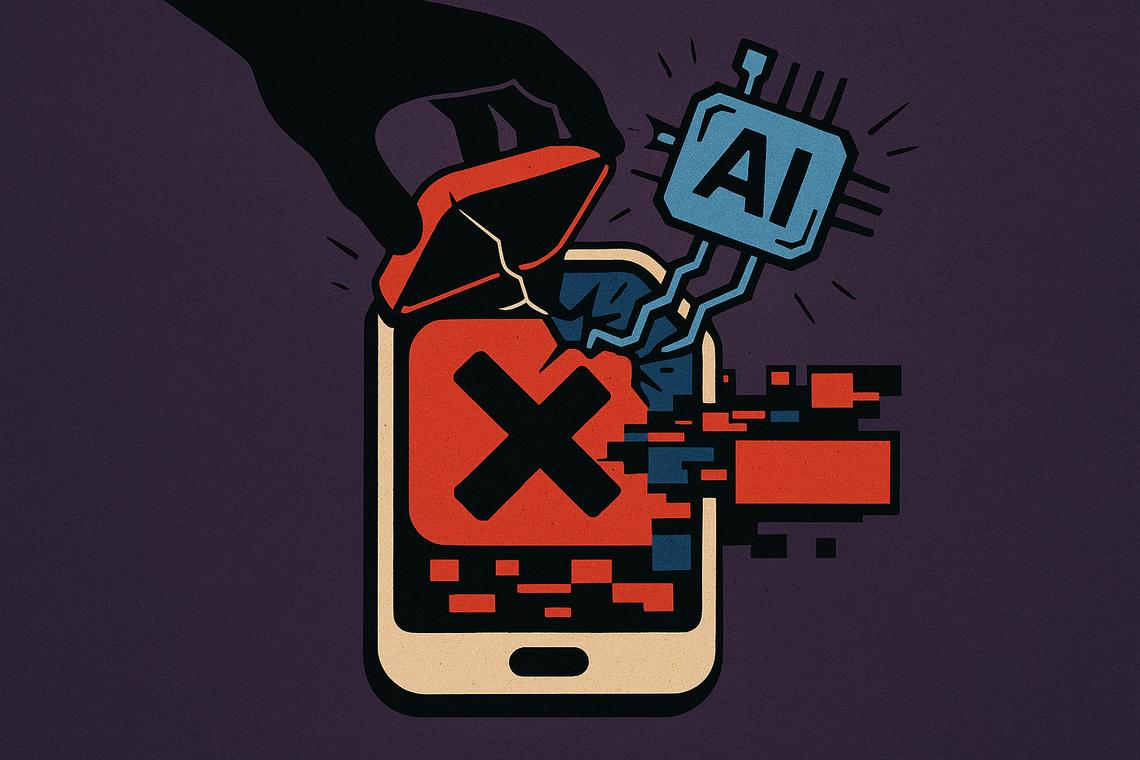
When someone hacked into Brian Chesky’s X account, they didn’t try to drain wallets or push a fraudulent token sale. Instead, they posted a polished, AI-assisted thread about the future of tokenized real-world assets — and that unusual choice is what makes this Airbnb CEO X hack worth paying attention to.
Key takeaways
- Airbnb CEO Brian Chesky confirmed his X account was hacked, with the attacker posting AI-generated content about tokenized real-world assets.
- The posts referenced buildings, bonds, and Robinhood’s push into tokenized assets, but included no links, wallet addresses, or token sale information.
- The content was widely criticized as “AI-slop” — heavily machine-generated and lacking originality.
- Chesky regained control of his account and warned new crypto followers he would be a “disappointing follow.”
- Airbnb reported the incident to X, which secured the account; the attacker’s identity and method of access remain unknown.
A high-profile account hijacked for tokenization content
Chesky confirmed the breach after the attacker posted a now-deleted thread arguing that tokenization could make buildings, bonds, and investment funds easier to divide, trade, and settle. The thread also referenced Robinhood‘s growing push into tokenized assets, lending the posts an air of market relevance.
What stood out immediately was what the posts didn’t include. There were no investment links, no wallet addresses, no token sale pitches — the standard toolkit of a crypto account hijack. That absence made the compromise far less obvious than a typical executive-account takeover, where the goal is usually to funnel victims toward a fraudulent transaction as quickly as possible.
After recovering access, Chesky addressed both the hacker and the surge of new followers the episode attracted. “To the person who hacked my account earlier this week: thanks for all the new crypto followers,” he wrote. “To my new crypto followers: I’m going to be a very disappointing follow.” Airbnb reported the incident to X, which then secured the account.
AI-generated posts and the “AI-slop” problem
Content promoted by the attacker
The posts pushed a narrative that has genuine traction in financial markets right now: that tokenizing real-world assets — physical property, government bonds, fund shares — could dramatically lower barriers to fractional ownership and settlement. By tying the argument to Robinhood’s actual moves in the space, the thread carried just enough surface credibility to pass a casual scroll.
Why the AI-slop label stuck
Observers were quick to flag the posts as heavily AI-assisted, dismissing the content as “AI-slop” — the growing shorthand for machine-generated text that mimics expertise without demonstrating it. The writing had the telltale smoothness of large-language-model output: grammatically clean, topically coherent, and entirely devoid of the kind of specific insight or personal voice that Chesky’s real posts carry. That mismatch is arguably what first tipped some followers off.
The episode raises a broader question about synthetic content as a social engineering tool. When a hacker’s goal isn’t an immediate financial theft but rather audience capture — building a crypto following under a trusted executive’s name — AI-generated content becomes a surprisingly effective delivery mechanism. The posts don’t need to be brilliant; they just need to be plausible enough to survive a few hours of algorithmic amplification.
No typical scam signals, but still a risk
Security researchers and crypto observers have long treated the presence of wallet addresses or token links as the primary red flag in account takeover scams. This incident complicates that heuristic. No financial solicitation was made, yet the account still attracted new followers under false pretenses — followers who, if the attacker had maintained control longer or returned later, could have been targeted in a follow-up campaign.
The method of access and the identity of whoever orchestrated the breach remain unknown. X has not publicly disclosed what vulnerability or credential exploit was used, and Airbnb has not offered additional detail beyond confirming the incident was reported and the account secured.
What this incident signals for executive account security
High-profile executives on X have become increasingly attractive targets precisely because their accounts carry institutional credibility. A verified CEO with millions of followers doesn’t need to post a scam link to cause damage — a few hours of misleading narrative, amplified by the platform’s recommendation engine, can shape perception and attract an audience that the attacker could later monetize.
The Chesky incident, subtle as it was, illustrates that crypto-adjacent hacks are evolving. The attacker showed patience and a degree of strategic thinking: rather than going for a quick financial hit, they used a stolen platform to build credibility around a real and growing market trend. Whether that reflects a broader shift in tactics — or was simply an opportunistic experiment — is a question the industry may soon have to answer more urgently.
FAQ
What happened to Airbnb CEO Brian Chesky’s X account?
His X account was hacked by an attacker who posted AI-assisted content promoting tokenized real-world assets, including discussions about buildings, bonds, and Robinhood’s push into tokenization.
Did the attacker promote any investment scams or provide links?
No. The posts did not include links, wallet addresses, or any token sale information, making the compromise less obvious than a typical crypto account takeover.
How did Chesky respond to the hack and new followers?
After regaining control, Chesky acknowledged the breach publicly and warned new crypto followers that he would be a “disappointing follow,” signaling he has no plans to engage with crypto content.
Is the identity or method of the hacker known?
No. The method of access and the identity of the attacker remain unknown. Airbnb reported the incident to X, which secured the account, but no further details about the breach have been disclosed.
Article produced with the assistance of artificial intelligence and reviewed by the editorial team.
0
0
 Manage all your crypto, NFT and DeFi from one place
Securely connect the portfolio you’re using to start.