
Middle East Escalation and BRICS CBDC Bridge: A Double-Edged Sword for Crypto

0
0
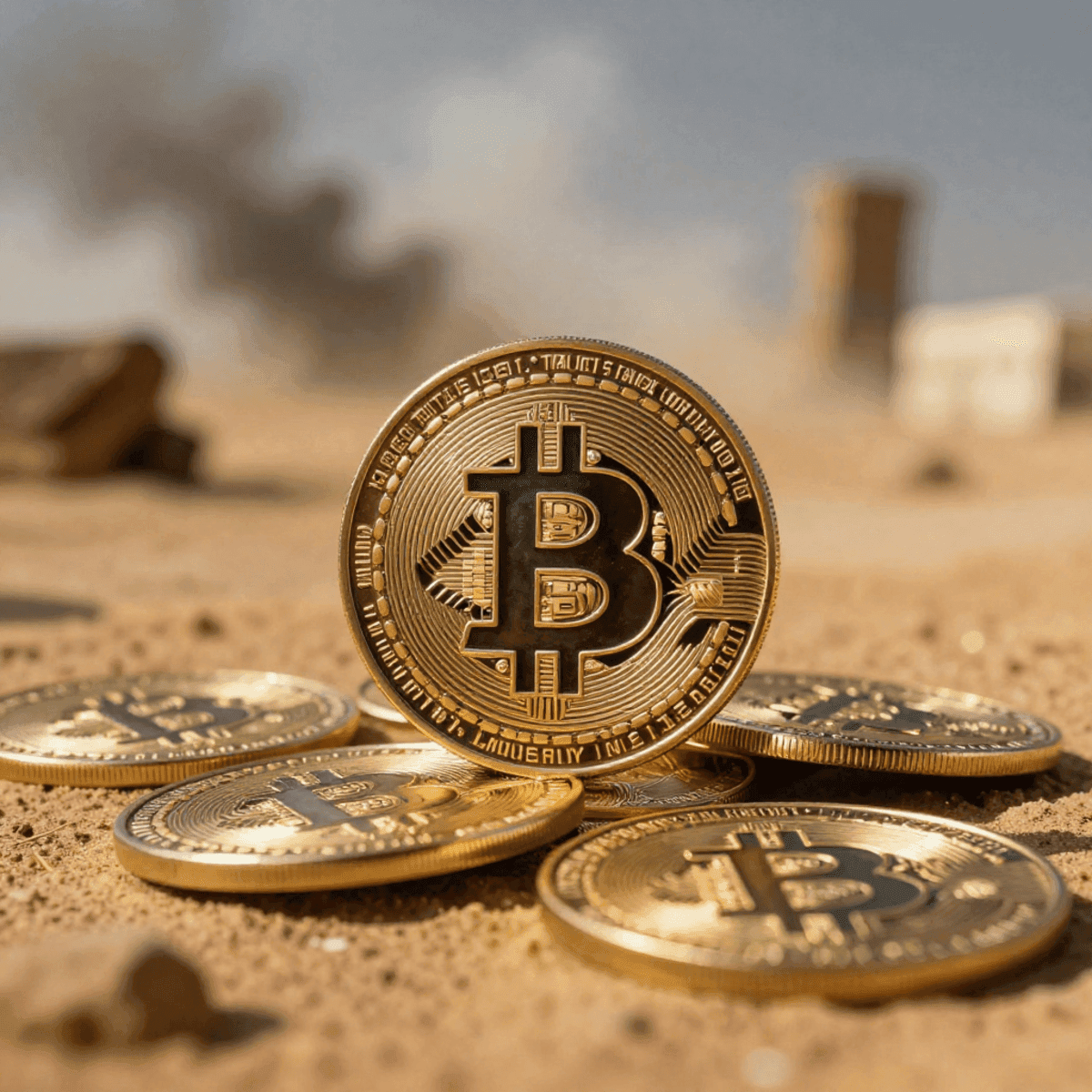
The global financial order is facing its most significant test of the decade. On one front, a direct military escalation involving the United States, Israel, and Iran has disrupted energy corridors and traditional trade. On the other, the BRICS+ bloc—led by India’s 2026 chairship—is formally proposing an interconnected Central Bank Digital Currency (CBDC) framework. For $Bitcoin, these events have transformed it from a mere "risk asset" into a critical liquidity valve during periods of extreme geopolitical stress.
How Geopolitics is Shaping Crypto Today
As of March 3, 2026, the crypto market is processing three major geopolitical catalysts:
- Energy Shocks: With the Strait of Hormuz facing potential closure, Brent crude has spiked toward $80–$82, fueling global inflation fears.
- The mBridge Acceleration: The BRICS "mBridge" platform has already processed $55 billion in transactions, signaling a shift toward non-dollar settlement rails.
- Conflict Resilience: Despite initial weekend drops to $63,255, Bitcoin recovered to nearly $68,500 by Monday, showing strength as traditional markets like the Nikkei 225 plummeted.
What is the BRICS CBDC Bridge?
The BRICS CBDC Bridge (often associated with the mBridge project) is a digital payment architecture designed to link the sovereign digital currencies of member nations like China, India, and the UAE. Unlike the SWIFT system, which relies on US dollar clearing, this bridge allows for direct, peer-to-peer settlement in local currencies. This reduces the efficacy of Western sanctions and provides a "parallel infrastructure" for global trade.
The "War Hedge" Narrative
While gold traditionally serves as the primary safe haven, crypto news reports suggest a shift in investor behavior. In the current conflict, Bitcoin's 24/7 availability allowed it to act as a "leading indicator" of risk before Wall Street opened.
Furthermore, institutional data from Nasdaq reveals that Bitcoin ETFs recorded net positive inflows during the height of the weekend strikes, suggesting that professional investors are now treating geopolitical dips as accumulation opportunities rather than exit signals.
2026 Geopolitical Impact Matrix
| Event | Market Reaction | Strategic Implication |
|---|---|---|
| Iran-Israel Conflict | High Volatility; $BTC Recovery | Crypto acting as a 24/7 liquidity hedge. |
| Strait of Hormuz Blockade | Oil Spikes (+11%); Inflation Risk | Pressure on "Higher for Longer" Fed rates. |
| BRICS mBridge Expansion | Increased Digital Yuan Dominance | Bypassing SWIFT; reduced USD reliance. |
| Trump Tariff Threats | Market Confusion; BTC volatility | Shift toward hardware wallets for safety. |
From Conflict to Sovereignty
The military conflict in the Middle East and the BRICS digital push are two sides of the same coin: Financial Sovereignty. As nations face the risk of being cut off from global banking, the demand for decentralized or "parallel" digital assets grows. This is why many traders are utilizing exchange comparisons to find platforms with the highest liquidity and lowest regulatory risk in non-Western jurisdictions.
What to Keep in Mind for March 2026
- Support & Resistance: Bitcoin is currently testing the $70,000 psychological barrier. A break above this could invalidate the "bearish cycle" narrative.
- Institutional Shift: The presence of persistent ETF inflows despite war headlines marks a "structural evolution" in who owns Bitcoin.
- Stablecoin vs. CBDC: While India pushes for CBDCs, private stablecoins remain the preferred tool for retail users escaping local currency devaluation.
0
0

 Manage all your crypto, NFT and DeFi from one place
Securely connect the portfolio you’re using to start.


