
XRP’s Glow-Up Just Got Serious: $1B Treasury Play In Motion

0
0
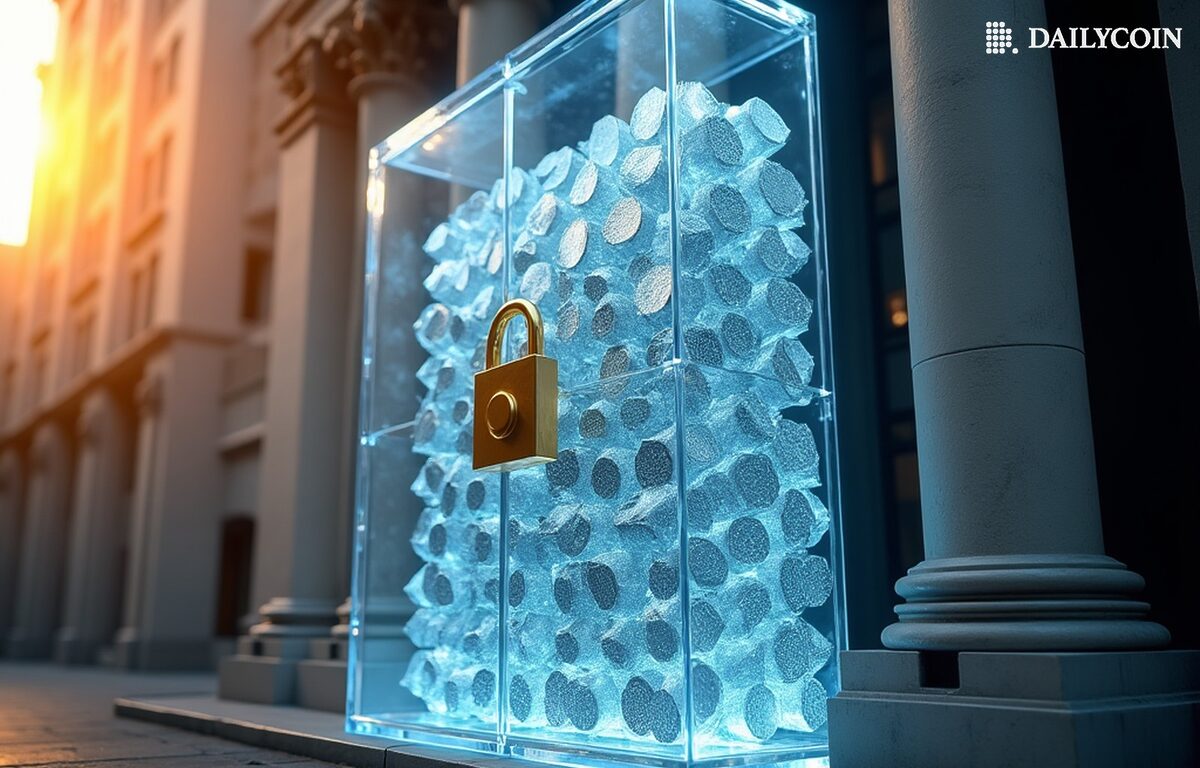
Evernorth Holdings has filed an amended registration with the SEC, pushing forward with a merger that would create a Nasdaq-listed company built around holding XRP coin as its main treasury reserve. According to reports, the deal comes with over $1 billion in committed capital.
This isn’t just another crypto fund. It’s an attempt to build a public company whose core strategy is stacking Ripple’s XRP coin on the balance sheet — a model that’s already worked wonders for Bitcoin-focused treasury plays.
If the merger closes and meets all listing requirements, Evernorth would become a publicly traded vehicle giving traditional equity investors direct leveraged exposure to XRP’s upside. Think of it as a corporate wrapper for XRP rather than a typical ETF or fund.
The timing is definitely interesting. XRP-linked investment products pulled in a strong $131.94 million in net inflows in May, outperforming Bitcoin and Ethereum products during a choppy month.
At the same time, the XRP Ledger’s fundamentals keep improving — transactions rose 35% in Q1 even as price dropped 27%, while the real-world asset (RWA) sector on the chain exploded 124% to $2.25 billion.
Can XRP successfully become a go-to treasury asset for public companies? Supporters say yes — it offers upside potential with growing real-world utility. Critics warn about dilution risks, governance issues, and the danger of relying on volatile crypto markets.
Evernorth’s $1 billion push marks another major step in XRP’s institutional journey.
While it’s still early and depends on the merger succeeding, this is one of the clearest signals yet that serious money is looking at XRP not just as a trading token — but as a strategic corporate reserve asset.
The “XRP Treasury Company” era might be closer than many think.
Stay in the loop with DailyCoin’s top crypto scoops:
Bitcoin Slips While Stocks Hit Records. Is a Liquidity Rotation Underway?
Bitcoin Slides Below $70K: Did Mt. Gox Play a Role?
0
0


 Manage all your crypto, NFT and DeFi from one place
Securely connect the portfolio you’re using to start.


0
0

0
0
