
Bank of Russia clears Bitcoin, Ethereum and Tether for public trading

0
0
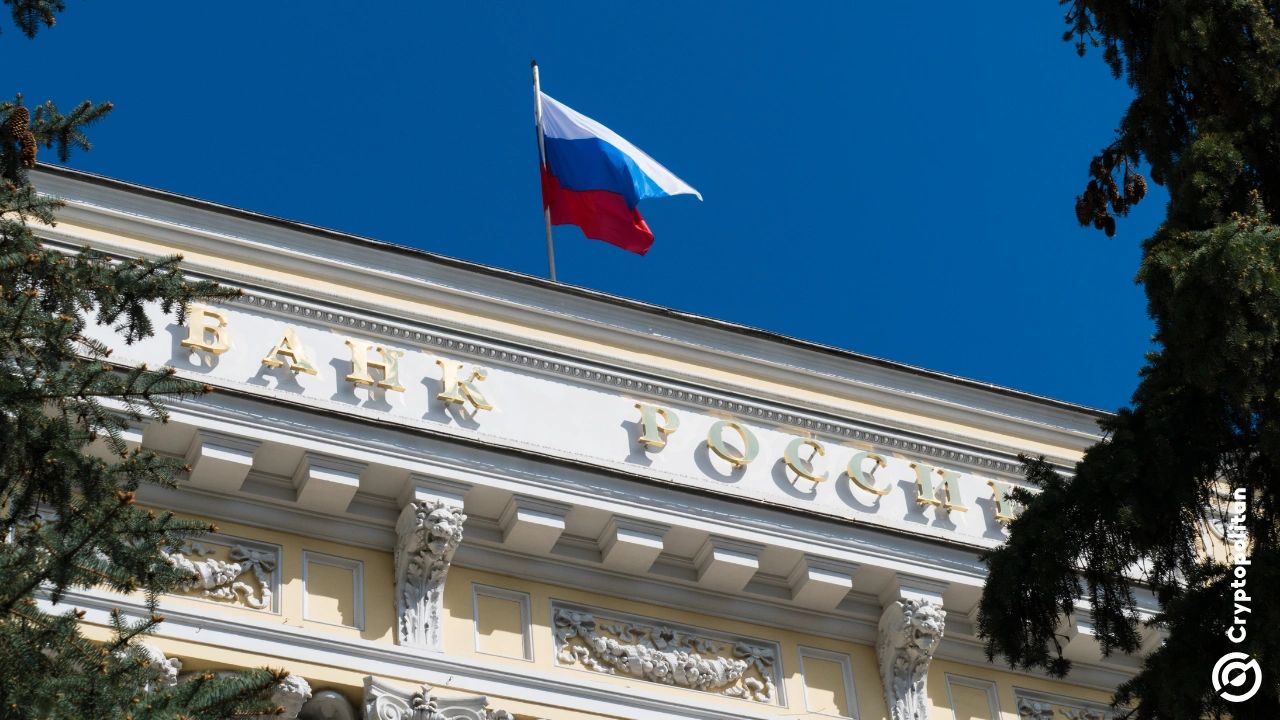
The Central Bank of Russia has greenlighted Bitcoin, Ethereum, and Tether’s stablecoin for trading on licensed cryptocurrency exchanges.
The leading coin will be admitted to the regulated Russian market for digital assets as part of new purchase rules for non-professional investors.
Russia’s central bank whitelists BTC, ETH, and USDT
The monetary authority in Moscow has included the top three coins by market cap in a list of cryptocurrencies that will be available to ordinary Russians.
“Non-qualified” investors in the country will soon be able to acquire Bitcoin (BTC), Ethereum (ETH), and Tether’s dollar-pegged stablecoin USDT, according to a draft directive.
The document has been published online for public discussion, and the regulator will accept comments and suggestions by August 24, Russian media reports revealed on Tuesday.
It details what the largest category of market participants can and cannot do under the new law “On Digital Currencies and Digital Rights,” which will regulate crypto transactions in Russia next month.
The long-awaited legislation, which was passed by both houses of parliament in the second half of July and signed by President Putin in early August, is scheduled to enter into force on September 1.
Meanwhile, the Central Bank of Russia (CBR) published several additional regulations for various operations with cryptocurrencies, such as exchange, storage and margin trading.
According to an earlier statement by its First Deputy Chairman Vladimir Chistyukhin, the monetary authority will have to prepare more than 30 such directives by November.
These will introduce specific rules to govern the activities of traditional and fintech market players, including stock exchanges and new entities such as “digital depositaries,” or crypto custodians.
As per the latest directive, non-professional investors will be able to buy the three cryptocurrencies from any CBR-approved intermediary, including brokers, exchanges, and asset managers.
However, their purchases will be capped, and the annual limit has now been set at the previously discussed 300,000-ruble threshold, or a little over $3,600 at the current exchange rate.
In its announcement published on August 11, the financial authority emphasized:
“To protect non-qualified investors from sharp and unpredictable fluctuations in cryptocurrency prices, only the most liquid cryptocurrencies will be available to them.”
Approved cryptocurrencies chosen based on strict criteria
Under the “digital currency” law, the coins are selected in accordance with concrete criteria regarding market capitalization, average daily trading volume, and pricing history on foreign exchanges.
As previously reported by Cryptopolitan, in order to be whitelisted in Russia, a crypto asset’s market cap must have exceeded an average of 5 trillion rubles (over $60 billion) over the past two years.
Its average daily trading volume should be above 1 trillion rubles for the same period (more than $12 billion), and it’s required to have a trading history of at least five years prior to admission.
In June, the CBR’s deputy governor, Chistyukhin, also indicated that only three cryptocurrencies meet these requirements currently. The institution now said in its press release:
“Based on these criteria, the Bank of Russia has included Bitcoin, Ethereum, and Tether USDT in the list of cryptocurrencies available for public trading on exchanges.”
The bank also pointed out that qualified investors will be able to acquire all cryptocurrencies traded on Russian exchanges and over-the-counter markets without restrictions.
At the same time, it’s reminded that before making any transactions, all investors, regardless of their status, will have to undergo testing to verify their awareness of the associated risks.
Regular Russian citizens, which are likely to form the majority of investors after the comprehensive legal framework comes into force, remain quite skeptical about the new opportunities it will offer.
A recently conducted survey showed that almost 70% of Russians do not expect to see any significant use cases for cryptocurrency after its legalization under the terms and limitations offered by their government.
The smartest crypto minds already read our newsletter. Want in? Join them.
0
0


 Manage all your crypto, NFT and DeFi from one place
Securely connect the portfolio you’re using to start.

0
0


0
0

0
0