


0
0
BitcoinWorld

Amazon Ring’s Alarming AI Facial Recognition Feature: Convenience or Surveillance Nightmare?
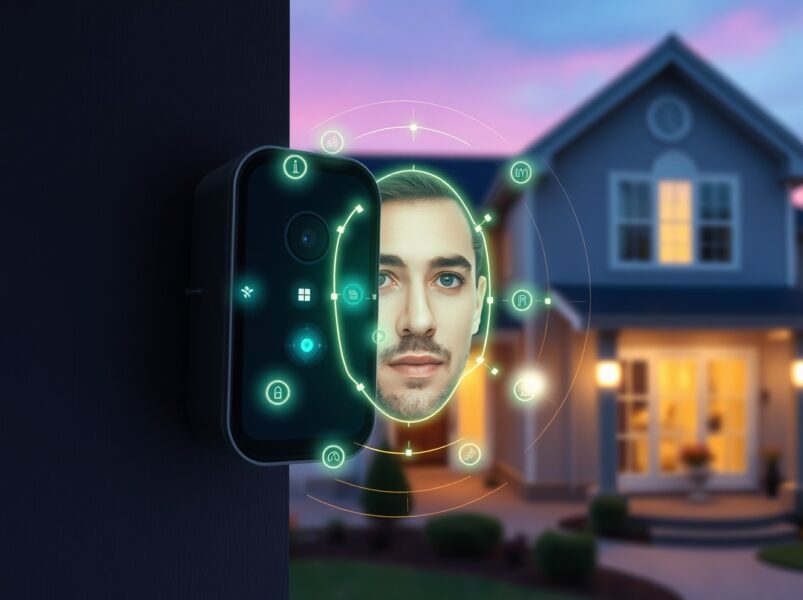
Imagine your doorbell not just seeing who’s outside, but knowing exactly who they are. Amazon’s Ring has rolled out a controversial new AI-powered facial recognition feature that’s dividing opinions: is this smart home innovation or a step toward surveillance society? For cryptocurrency enthusiasts who value privacy and decentralization, this development raises critical questions about data ownership and corporate control.
Amazon’s Ring video doorbells now include ‘Familiar Faces,’ an AI-powered feature that identifies regular visitors. The system creates a catalog of up to 50 faces including family, friends, delivery drivers, and household staff. Once labeled in the Ring app, the device recognizes these individuals and sends personalized notifications like ‘Mom at Front Door’ instead of generic alerts.
The feature operates with several key characteristics:
The introduction of facial recognition to consumer doorbells has triggered significant backlash from privacy advocates and lawmakers. The Electronic Frontier Foundation (EFF) and U.S. Senator Ed Markey have called for Amazon to abandon the feature, citing several alarming factors:
| Concern | Details |
|---|---|
| Law Enforcement Partnerships | Amazon has history of sharing Ring data with police departments |
| Security Breaches | Ring paid $5.8 million FTC fine for unauthorized employee access to videos |
| Data Exposure | User passwords found on dark web, addresses leaked through Neighbors app |
| Legal Restrictions | Feature blocked in Illinois, Texas, and Portland due to privacy laws |
Amazon claims biometric data is processed in the cloud and not used to train AI models. The company also states it cannot identify all locations where a person has been detected, even if law enforcement requests this information. However, privacy experts question these assurances given Amazon’s partnerships with surveillance companies like Flock.
The debate around Ring’s new feature centers on a fundamental question: where do we draw the line between security and surveillance? For cryptocurrency advocates familiar with privacy technologies, several aspects are particularly concerning:
For current Ring owners considering the AI facial recognition feature, several practical considerations emerge:
Privacy experts recommend that if users enable the feature, they should avoid using real names for identification and regularly review their face catalog. Better yet, they suggest keeping the feature disabled entirely.
Amazon’s move represents a significant moment in smart home technology evolution. As AI capabilities expand, consumers face increasingly complex decisions about privacy versus convenience. The cryptocurrency community’s emphasis on self-sovereignty and data ownership provides valuable perspective on these developments.
Key questions for the future include:
Amazon Ring’s AI facial recognition feature represents a watershed moment in consumer surveillance technology. While offering undeniable convenience for identifying regular visitors, it raises profound privacy concerns that should give every smart home owner pause. The feature’s optional nature provides some protection, but Amazon’s track record with data security and law enforcement partnerships suggests caution is warranted.
For those in the cryptocurrency space who understand the importance of data sovereignty and privacy, this development serves as a reminder that not all technological advancements represent progress. Sometimes, the most innovative approach is knowing when to say no to features that compromise fundamental rights.
To learn more about the latest AI and privacy technology trends, explore our articles on key developments shaping artificial intelligence and digital security features.
The primary company is Amazon, through its Ring division. The feature also involves concerns about Amazon’s partnership with Flock Safety, a surveillance camera manufacturer used by law enforcement agencies.
The Electronic Frontier Foundation (EFF) has been vocal in opposing the feature. U.S. Senator Ed Markey (D-Mass.) has also called for Amazon to abandon the facial recognition technology.
The Federal Trade Commission (FTC) fined Ring $5.8 million in 2023 for privacy violations. Amazon has also established partnerships with various law enforcement agencies through its Ring Neighbors program.
Yes, privacy laws in Illinois, Texas, and Portland, Oregon prevent Amazon from launching the facial recognition feature in those jurisdictions due to biometric privacy regulations.
This post Amazon Ring’s Alarming AI Facial Recognition Feature: Convenience or Surveillance Nightmare? first appeared on BitcoinWorld.
0
0
 Manage all your crypto, NFT and DeFi from one place
Securely connect the portfolio you’re using to start.


0
0



