
ADAMANT v4.11.0: More Reliable, Polished, Mature
0
0
ADAMANT keeps moving forward as a privacy-first blockchain/crypto messenger and wallet ecosystem, and v4.11.0 is one of those releases that makes the whole product feel stronger at its core. Rather than focusing on a single flashy feature, this update improves the areas users notice every day: connection reliability, interface consistency, wallet flows, and overall product stability. According to the release merge PR, version 4.11.0 packages the full post-v4.10.6 delivery scope, bringing together 20 merged pull requests and 437 (!) commits on top of master.
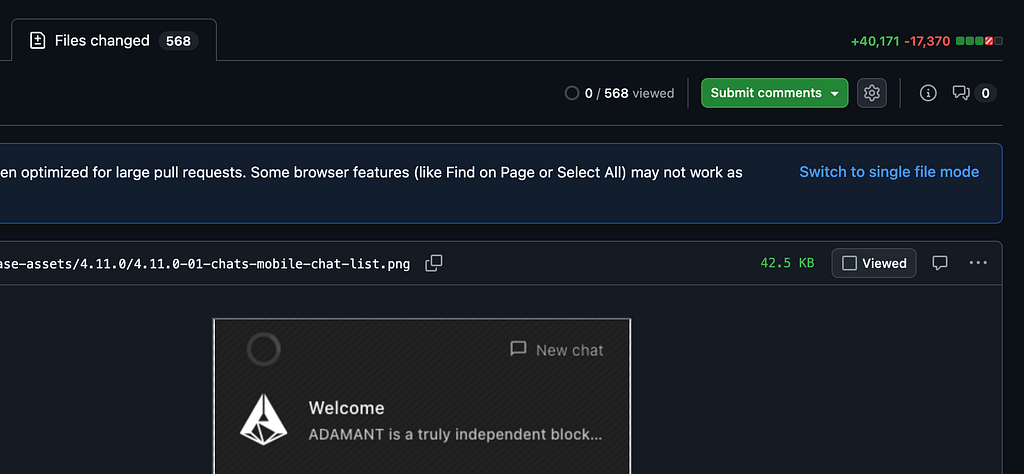
437 Commits, 568 Files changed
A release built around real-world usability
What makes this release important is its focus on fundamentals. ADAMANT v4.11.0 strengthens networking behavior, modernizes the UI across the app, removes deprecated product scope, upgrades the build and contributor toolchain, and expands regression coverage for both desktop and mobile surfaces. In other words, this is a release designed to make the app feel more dependable, more coherent, and easier to evolve further.
Stronger node resiliency and better network behavior
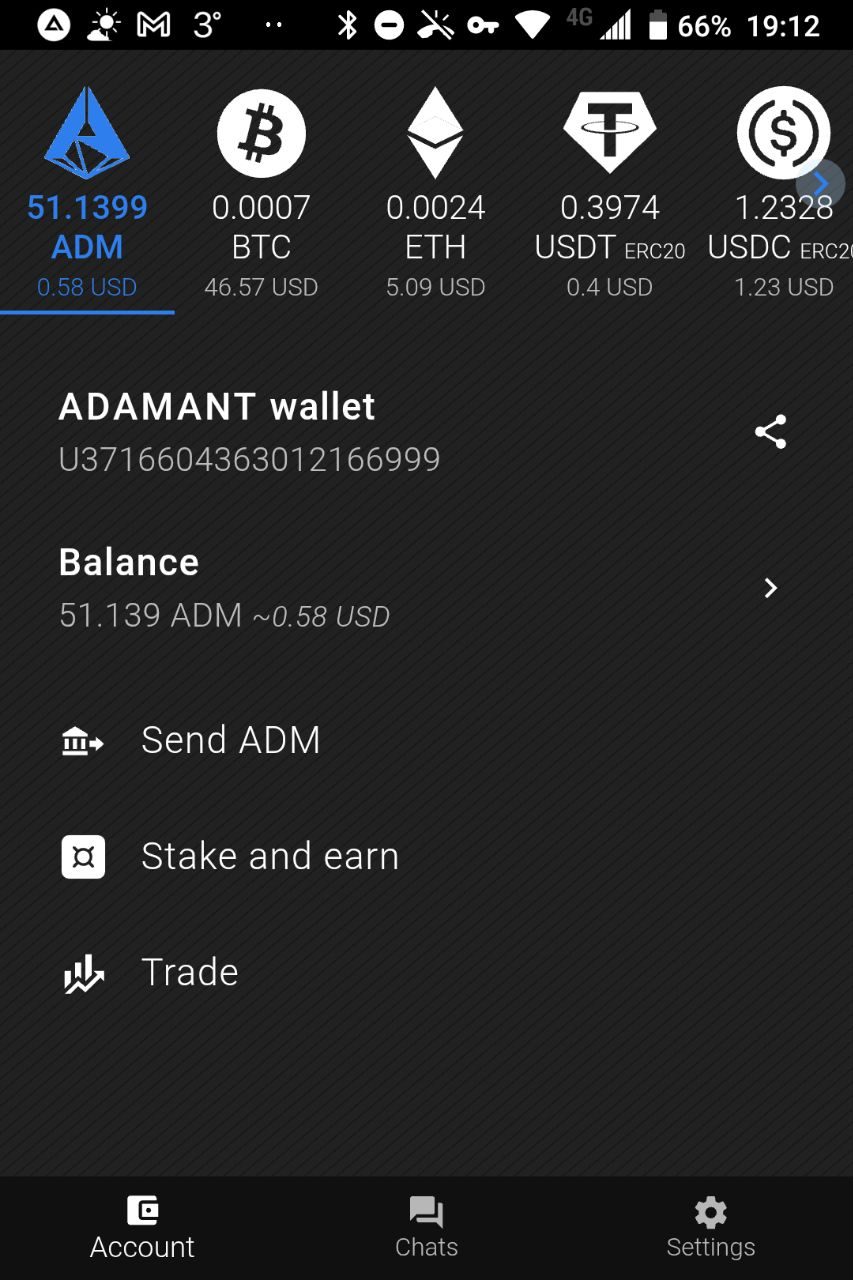
One of the biggest improvements in v4.11.0 is node reliability. The release adds alternative IP failover for nodes when domain access is unavailable, improves the healthcheck lifecycle and timeout handling, and strengthens recovery after device sleep or offline states. It also refines node status messaging and reduces false sync signals in the Nodes screen. The official release notes separately list the same direction of work through items such as health-check improvements, node status fixes, and alt_ip accessibility checks.
For users, this matters a lot more than it may sound at first glance. Messaging and wallet apps are judged not only by features, but by how they behave when the network is unstable, when the device wakes from sleep, or when a node becomes temporarily unreachable. This release directly targets those failure points, making ADAMANT more resilient in the kinds of messy real-world conditions that often define everyday usage.
A cleaner and more modern interface
Another major pillar of v4.11.0 is UI modernization. The release merge PR highlights broad visual improvements across chats, wallets, send-funds flows, settings, dialogs, and navigation. It introduces shared design tokens, tighter spacing rules, improved typography, layout primitives, and theming cleanup driven by CSS variables. It also adds wider layout regression coverage to help preserve UI quality in future releases. The official release page echoes this with its “Unify styles, modernize UI/UX, fix visual inconsistencies” task grouping.
This kind of work is easy to underestimate, but it is what makes an application feel mature. A modern product is not only about new screens or features — it is about visual consistency, predictable spacing, clear hierarchy, and the absence of small UX irritations that build up over time. ADAMANT v4.11.0 clearly invests in that level of refinement.
Better chat experience where it matters
The messaging side of ADAMANT also receives meaningful attention in this release. The PR notes improvements to opened-chat layout, message status handling, retry indicators, emoji picker behavior, reply overflow handling, public key loading, message grouping, and safer composer keyboard behavior. It also fixes stale date refresh behavior and null-scroll regressions when switching chats rapidly. Several of these changes are mirrored in the release notes through grouped bug fixes and feature entries tied to chat behavior and layout quality.
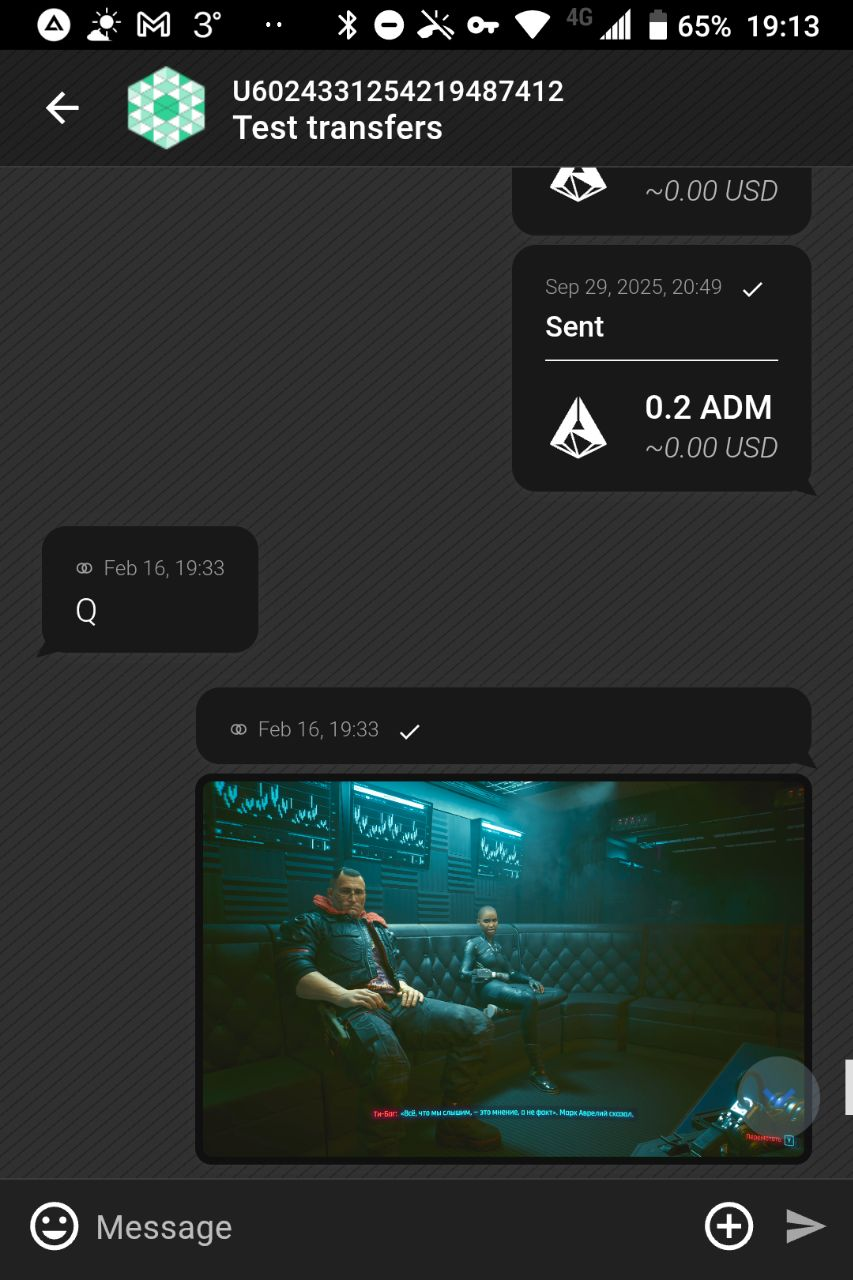
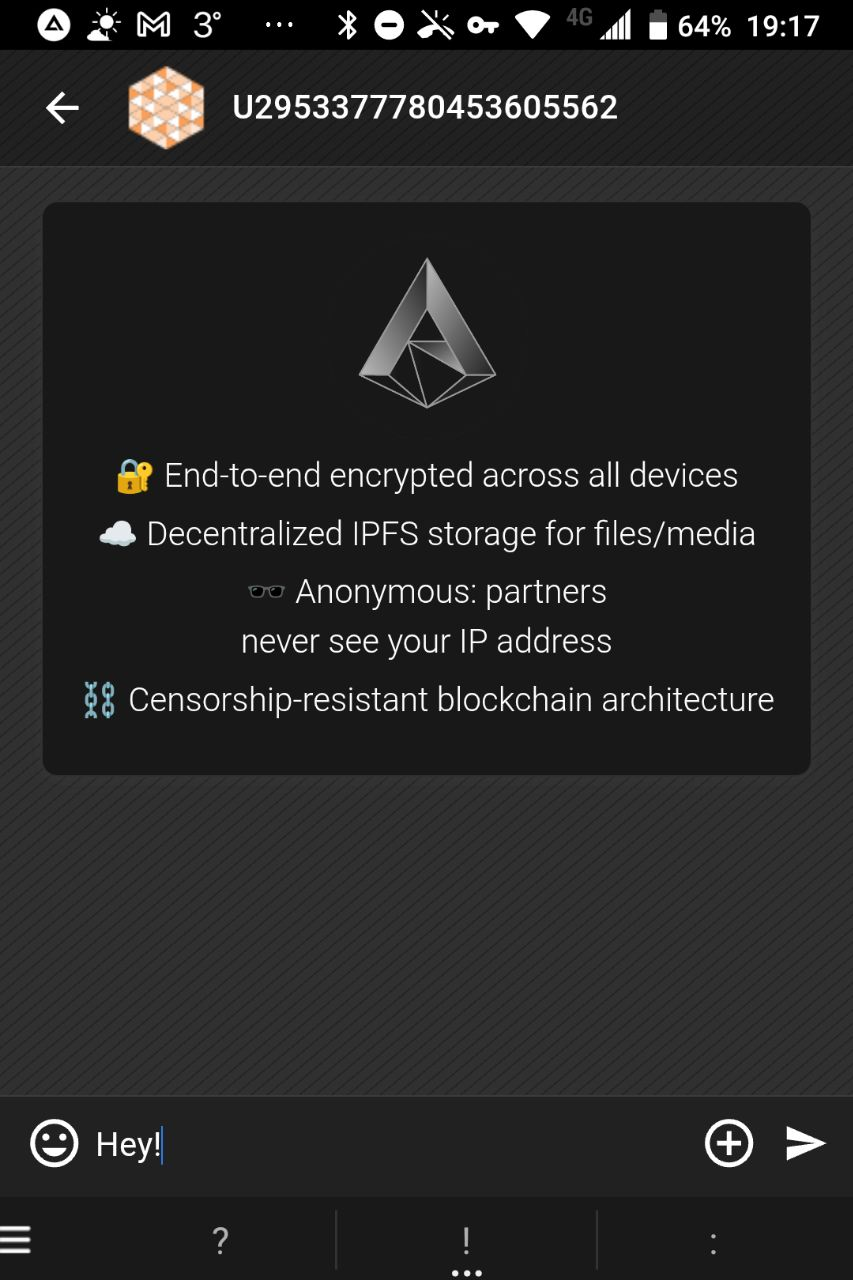
These are the kinds of upgrades that may not dominate a headline, but they strongly affect daily perception of quality. When chat dates refresh correctly, replies do not break markup, fast switching between conversations does not cause errors, and grouped messages improve readability, the whole messenger feels smoother and more trustworthy.
Wallets and send-funds flows got more polished too
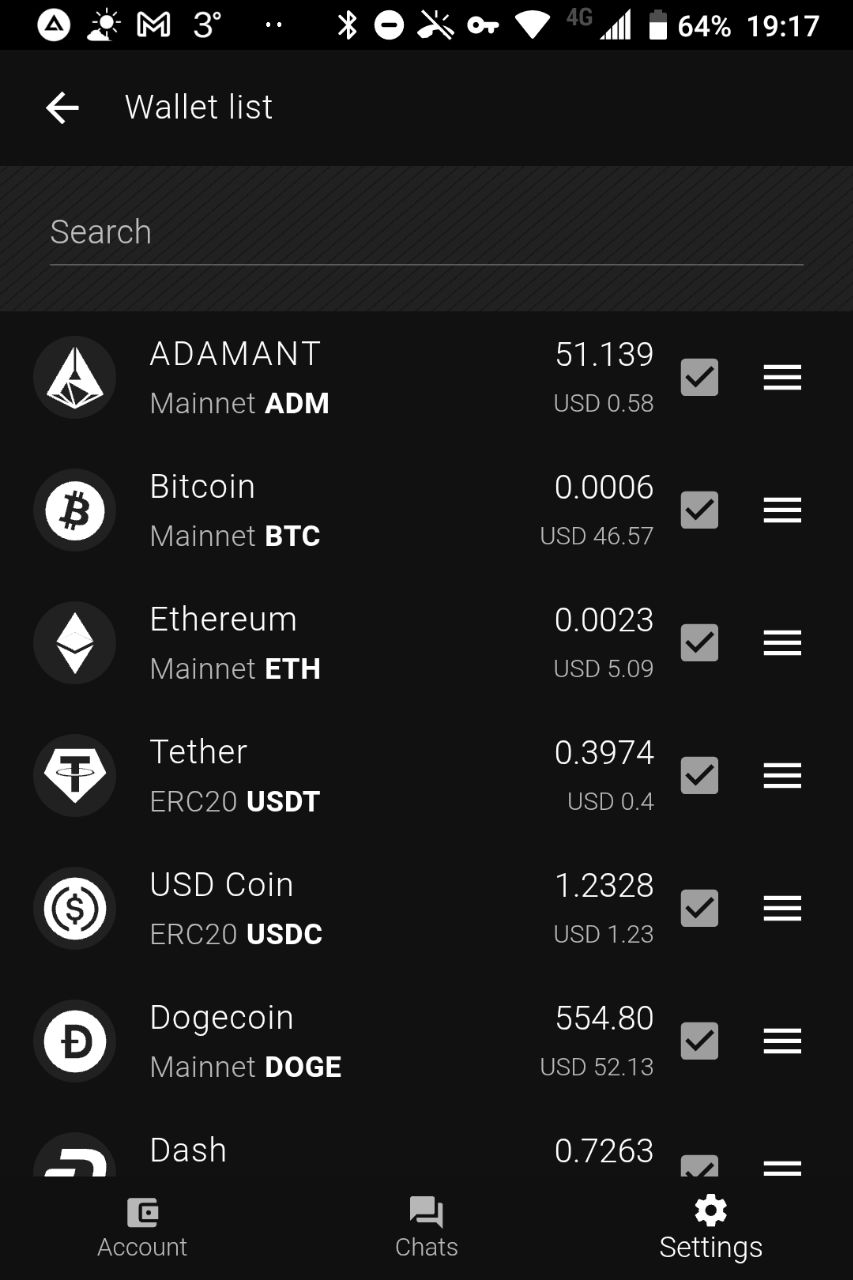
Financial screens also received substantial polish in v4.11.0. The release PR mentions improved wallet cards, wallet tabs, balance states, transaction list layout, and send-funds spacing. It also fixes self-transfer amount normalization for BTC, DOGE, and DASH, addresses transaction navigation and localized UI regressions, and normalizes persisted wallet symbols on restore to keep upgraded state consistent. The official release notes list matching fixes for those same wallet and transaction issues.
That matters because wallet UX is one of the most sensitive parts of any crypto-enabled application. In a messaging app with integrated asset flows, clarity and consistency are essential. Even small navigation or amount-display issues can erode confidence. This release shows a strong effort to make those flows feel cleaner, safer, and more predictable.
Klayr support was removed end-to-end
A notable product-scope decision in this release is the full removal of Klayr (KLY) support. The release merge PR states that Klayr support was removed across wallets, nodes, transactions, configs, icons, queries, node clients, store paths, and related UI. The official release page also lists “Remove Klayr (KLY) support in full” as a dedicated task completed for v4.11.0.
From a product perspective, this is a sign of maturity rather than reduction. Healthy software evolves not only by adding features, but also by removing outdated scope that no longer justifies its maintenance burden. Pruning legacy paths helps simplify the codebase, reduce user-facing complexity, and free up focus for the features and networks that matter most.
A more modern toolchain for contributors and releases
Behind the scenes, v4.11.0 also modernizes the project’s development and release infrastructure. The PR explicitly calls out the upgrade from Node.js 20 to 22, dependency refreshes, migration to ESLint 9, Electron build updates, improved logging and CSP behavior, universal macOS build support, expanded Playwright smoke and regression workflows, and refreshed release automation. The official release notes separately confirm the Node.js 22 upgrade, ESLint 9-related fixes, and the broader tooling upgrade scope.
These improvements are not just internal housekeeping. A stronger toolchain means fewer build issues, better testing discipline, cleaner maintenance, and more confidence when shipping future updates. For an open-source product, that is a major part of long-term sustainability.
Documentation and project readiness also moved forward
The release also includes updated project documentation. According to the merge PR, README.md was refreshed with clearer positioning, self-hosting guidance, community deployment notes, CSP guidance, and platform build instructions. The repository also added AI operating guidelines in AGENTS.md, while release metadata for 4.11.0 was refreshed as part of the delivery scope. The official release page lists those documentation tasks as well.
That is another good sign for the project: v4.11.0 is not only about shipping code, but also about making the repository easier to understand, contribute to, and operate. Strong documentation is a force multiplier for any community-driven product.
Why this release matters
ADAMANT v4.11.0 is important because it improves the product where users feel it most: reliability, consistency, and day-to-day comfort. It reduces fragility in node behavior, makes the interface cleaner, strengthens chat and wallet flows, modernizes the engineering base, and trims outdated scope. The result is not just a newer version number — it is a stronger foundation for everything that comes next.
Final thoughts
Not every major release needs a single headline-grabbing feature. Sometimes the most valuable progress comes from deep product care: fewer edge-case failures, less visual noise, better recovery behavior, cleaner flows, and a healthier codebase.
That is exactly what ADAMANT v4.11.0 delivers.
It is a release about making the product more solid, more polished, and more future-ready — for users, contributors, and the broader ADAMANT ecosystem alike.
Thanks to all contributors!
ADAMANT v4.11.0: More Reliable, Polished, Mature was originally published in ADAMANT on Medium, where people are continuing the conversation by highlighting and responding to this story.
0
0
 Manage all your crypto, NFT and DeFi from one place
Securely connect the portfolio you’re using to start.