
IMF says donations funded El Salvador Bitcoin growth as review awaits approval
0
0
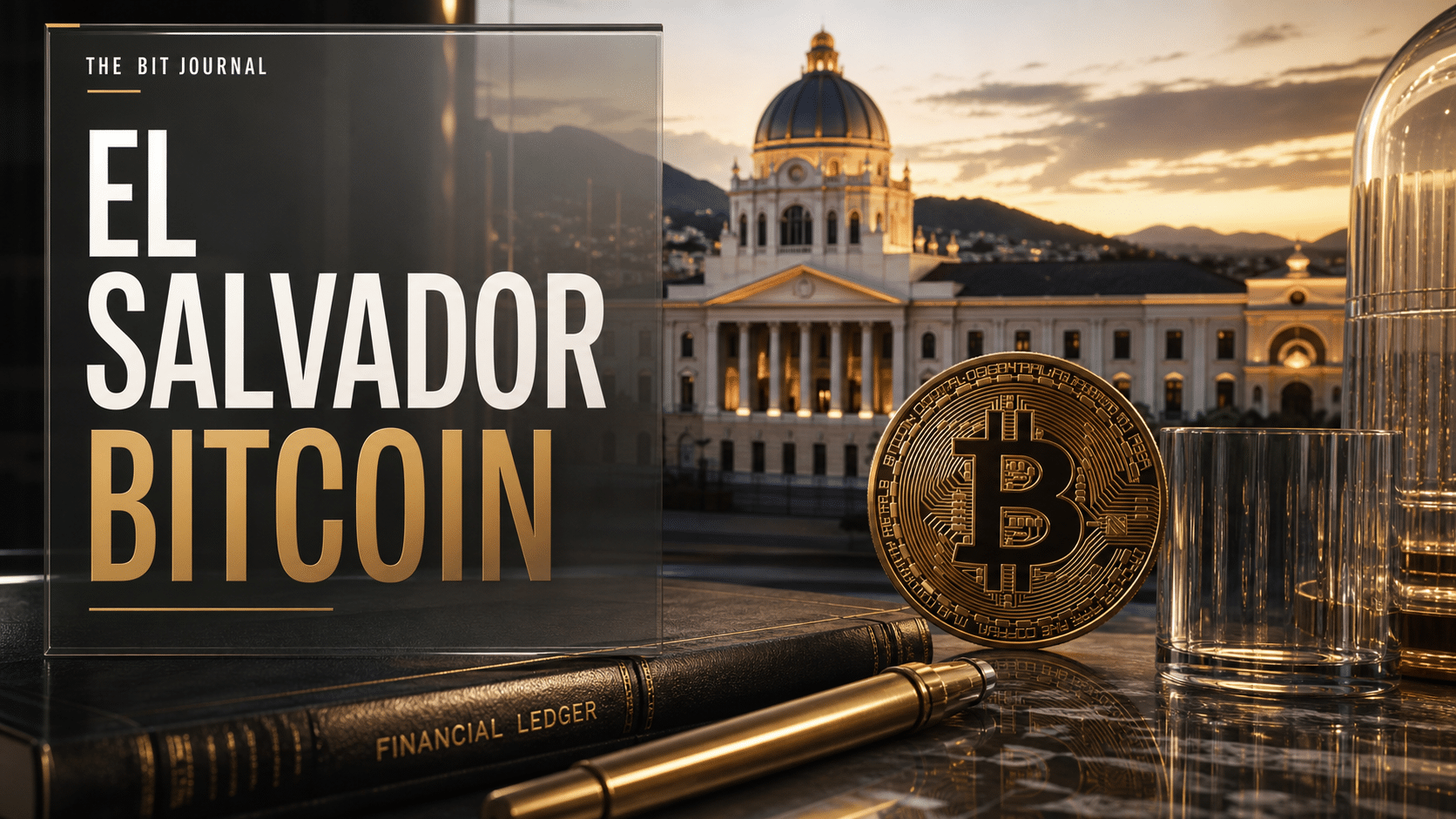
The International Monetary Fund says documentation provided by El Salvador shows that Bitcoin added since the first review of its lending program came from private donations, with no public resources used. The September 3 statement accompanies a staff-level agreement, not final Executive Board approval of the next disbursement.
The statement accompanied a staff-level agreement on the combined second and third reviews of El Salvador’s 40-month Extended Fund Facility. If the Executive Board approves, roughly $140 million, equivalent to SDR 101.96 million, will be disbursed. The IMF added that it expects no further accumulation beyond the documented donations.

How the review fits the program
El Salvador’s 40-month Extended Fund Facility was approved on February 26, 2025, and its first review concluded on June 27 that year. The distinction between buying coins with public funds and receiving documented donations is central to the latest assessment. The IMF also says no further accumulation beyond those documented donations is expected.
Earlier public statements about acquisitions had raised questions about how reserve growth fitted the program. Cointelegraph’s account of the new statement places it in the context of El Salvador’s previously reported $100 million acquisition. The latest finding concerns the funding source documented to the IMF; it does not establish a general exemption for unlimited future Bitcoin purchases.
CoinDesk reported holdings of approximately 7,764 BTC in early September. That is a dated reserve snapshot, not a live figure. A dollar valuation changes with Bitcoin’s price, and the number of coins held does not on its own reveal how those coins were financed.
What the documentation establishes
The published statement does not list individual donors or their contributions. A wallet balance can show that assets are present, but it cannot by itself establish whether the funding behind a transfer was a donation, a purchase or a movement between accounts. Those are different accounting and legal questions.
For readers following national Bitcoin reserves, separating the coin balance, source of funding and market valuation avoids treating three different measures as interchangeable. The IMF statement addresses the second of those questions through documentation supplied by the authorities.
The agreement still requires Executive Board approval and completion of agreed prior actions. It should not be described as an unconditional release of funds or an endorsement of Bitcoin as a reserve investment.
The broader economic program
The IMF’s September 3 release projects 4.5 percent growth in 2026. It also describes a fiscal path aimed at lowering the public debt ratio to 80 percent of GDP by 2030. These are program projections and objectives, not outcomes already achieved.
Majority ownership and operational control of Chivo have moved to a private operator. The government retains a minority stake and custody responsibilities for customer assets. This concerns the wallet business; it should not be confused with a transfer of the country’s entire Bitcoin reserve.
What this means for sovereign bitcoin
The case highlights the importance of distinguishing asset ownership from operational control and custody. TBJ’s explanation of how crypto custody works provides background on why possession, access and responsibility are separate issues. At the sovereign level, audited records and program reporting are needed alongside blockchain balances.
Frequently asked questions
What did the IMF conclude about El Salvador’s bitcoin?
It accepted documentation showing that all bitcoin added to official holdings since the first review in June 2025 came from private donations, with no public resources used, and said it expects no further accumulation beyond those donations.
How large is El Salvador’s bitcoin reserve?
CoinDesk reported approximately 7,764 BTC in early September 2026. It is a historical snapshot, not a current market valuation.
Who donated the bitcoin?
The September 3 IMF statement does not identify individual donors or contribution amounts.
What does El Salvador get in return?
A staff-level agreement on the combined second and third reviews of its $1.4 billion Extended Fund Facility, which would release roughly $140 million pending Executive Board approval.
What were the program’s bitcoin conditions?
The latest statement addresses documented donations, limits on further accumulation, changes to Chivo ownership and operational control, and improvements to governance and risk management.
How is El Salvador’s economy performing?
The IMF projects 4.5 percent real GDP growth for 2026, a widening primary surplus, and a path to reducing public debt to about 80 percent of GDP by 2030.
Risk disclosure
Bitcoin valuations can change sharply. Staff-level agreements remain subject to the required approvals and actions; they should not be treated as completed disbursements.
Disclaimer: This article is for informational purposes only and does not constitute investment, legal or tax advice. Digital assets are volatile and may be subject to regulatory restrictions in your jurisdiction. Always do your own research and consult a licensed professional before making financial decisions.
0
0

 Manage all your crypto, NFT and DeFi from one place
Securely connect the portfolio you’re using to start.


