
Iran Peace Plan: Foreign Minister Unveils Bold Initiative to End War

0
0
BitcoinWorld
Iran Peace Plan: Foreign Minister Unveils Bold Initiative to End War
Iran’s foreign minister has announced a groundbreaking peace plan aimed at ending the ongoing war. This initiative marks a significant diplomatic shift in the Middle East. The proposal, reported by Tasnim News Agency, outlines a comprehensive framework for de-escalation. It comes amid heightened regional tensions and international calls for a ceasefire. The plan focuses on dialogue and mutual concessions.
Iran’s Foreign Minister Proposes a New Peace Plan
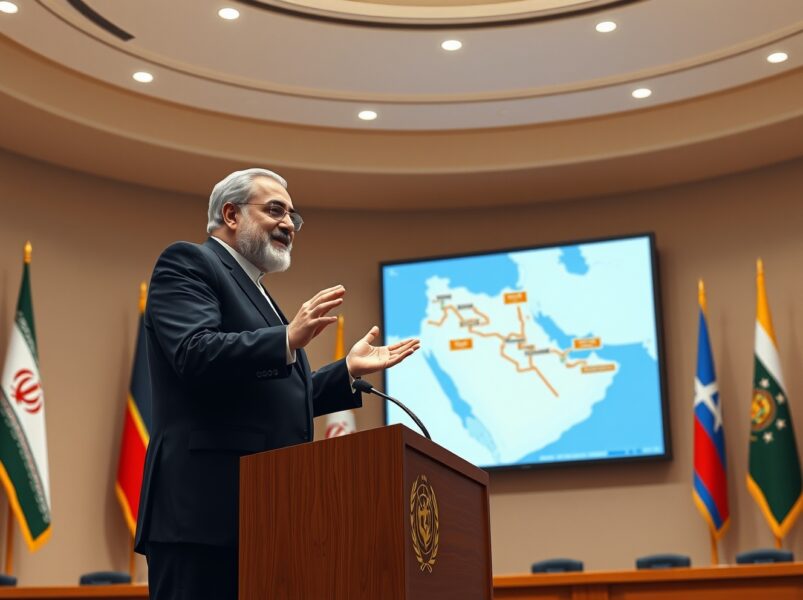
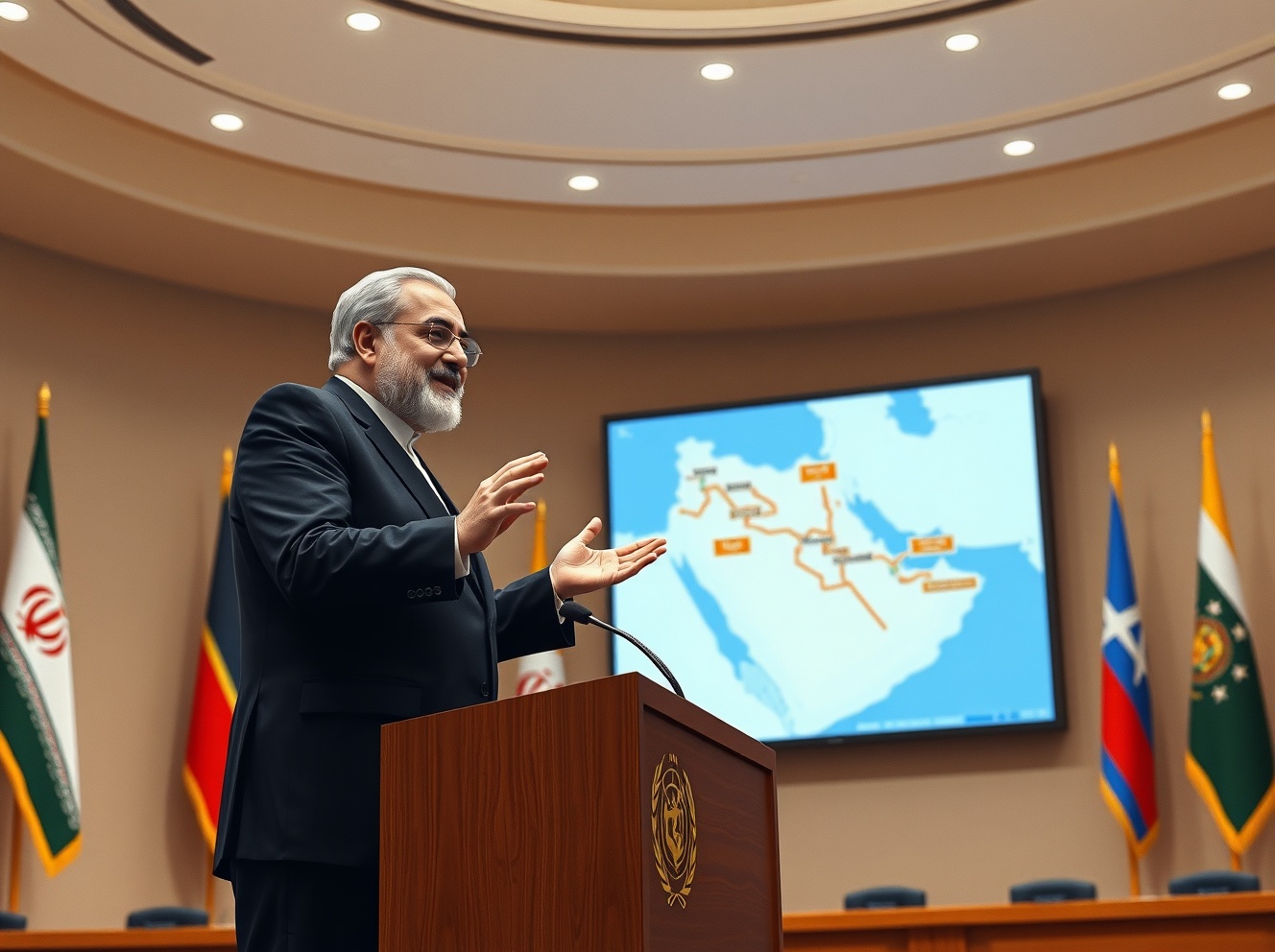
On March 14, 2025, in Tehran, Iran’s foreign minister presented the country’s official initiative for ending the war. The announcement took place during a press conference at the Ministry of Foreign Affairs. The minister emphasized the need for a negotiated settlement. He stated that the plan prioritizes regional stability. It also aims to protect civilian lives. This proposal includes several key components. First, it calls for an immediate ceasefire. Second, it demands the withdrawal of foreign forces. Third, it suggests the establishment of a neutral monitoring body. The initiative also proposes economic incentives for warring parties. These incentives include reconstruction aid and trade agreements. The minister urged all parties to consider the plan seriously. He warned that continued conflict would lead to further devastation.
Background and Context of the Iran Peace Initiative
The Iran peace plan emerges from a long history of regional conflicts. Iran has faced international scrutiny for its involvement in proxy wars. The country has also suffered from economic sanctions. These sanctions have crippled its economy. The foreign minister’s proposal reflects a strategic pivot. It aims to reposition Iran as a peace broker. This move could improve its global standing. The plan also addresses key grievances from all sides. It includes provisions for humanitarian aid. It also covers security guarantees for neighboring states. The timing of the announcement is crucial. It follows a series of failed peace talks. Previous negotiations collapsed due to mistrust. This new initiative attempts to build on past efforts. It incorporates lessons learned from earlier failures.
Key Elements of the Proposed Peace Framework
The peace framework consists of five main pillars. These pillars are designed to create a sustainable resolution. The first pillar focuses on a ceasefire. This includes a halt to all military operations. The second pillar involves political dialogue. This requires inclusive talks with all stakeholders. The third pillar addresses humanitarian concerns. This includes safe corridors for aid delivery. The fourth pillar covers economic reconstruction. This involves international funding for rebuilding. The fifth pillar ensures long-term security. This includes disarmament and border agreements. The plan also includes a timeline. The ceasefire would take effect within 72 hours. Political talks would begin within two weeks. Reconstruction would start after a peace treaty is signed. The plan has received mixed reactions. Some regional powers have expressed cautious optimism. Others have demanded more concrete details.
International Reactions to Iran’s War-Ending Proposal
The international community has responded with varied opinions. The United Nations welcomed the initiative. The UN Secretary-General called it a positive step. He urged all parties to engage in good faith. The European Union expressed support for the plan. EU officials highlighted the need for a comprehensive approach. They emphasized the importance of human rights protections. The United States remained skeptical. US officials demanded proof of Iran’s commitment. They cited past violations of international agreements. Russia and China offered cautious backing. Both countries called for further negotiations. They stressed the need for regional stability. Gulf states like Saudi Arabia expressed interest. They requested more details about the plan’s implementation. Israel rejected the proposal outright. Israeli leaders labeled it a tactical maneuver. They argued it would allow Iran to expand its influence. These reactions highlight the plan’s polarizing nature.
Impact on Regional Stability and Global Diplomacy
The Iran peace plan could reshape regional dynamics. A successful implementation would reduce tensions. It would also lower the risk of wider conflict. The plan offers a potential model for other disputes. It emphasizes dialogue over military action. This approach could influence future diplomatic efforts. The initiative also affects global energy markets. A peace deal could stabilize oil prices. It would also reduce supply chain disruptions. The plan’s success depends on several factors. These include trust-building measures. They also require consistent international support. The foreign minister’s proposal represents a gamble. It risks failure if parties remain entrenched. However, it also offers a rare opportunity. It could end a devastating war. The plan’s impact extends beyond the immediate conflict. It could redefine Iran’s role in the region. It might also set a precedent for future peace processes.
Expert Analysis and Strategic Implications
Political analysts have examined the plan’s viability. Many experts highlight its ambitious scope. They note that previous peace efforts failed due to lack of trust. This plan attempts to address that issue. It includes confidence-building measures. These measures involve third-party guarantees. The plan also incorporates economic incentives. These incentives aim to make peace more attractive. Analysts point to potential obstacles. These include internal political opposition. They also include external spoilers. The plan requires buy-in from multiple actors. Each actor has different priorities. The foreign minister’s diplomatic skills will be crucial. He must navigate complex relationships. He also needs to maintain domestic support. The plan’s success is not guaranteed. However, it represents a significant diplomatic effort. It shows Iran’s willingness to engage. This could lead to broader regional cooperation.
Timeline and Next Steps for the Peace Initiative
The foreign minister outlined a clear timeline for the plan. The first phase involves a ceasefire. This must be implemented within 72 hours. The second phase includes preliminary talks. These talks will begin within two weeks. The third phase focuses on a framework agreement. This should be reached within three months. The fourth phase involves detailed negotiations. These negotiations will cover all issues. The final phase includes implementation and monitoring. This timeline is ambitious but achievable. It requires cooperation from all parties. The foreign minister called for international support. He requested mediation from neutral countries. He also asked for financial backing from donors. The next steps include diplomatic outreach. Iranian officials will visit key capitals. They will present the plan to world leaders. They will also engage with regional actors. The success of these efforts remains uncertain. However, the initiative has opened a new diplomatic channel.
Conclusion
Iran’s foreign minister has presented a comprehensive peace plan to end the war. This initiative offers a new path toward regional stability. It includes a ceasefire, political dialogue, and economic reconstruction. The plan has received mixed international reactions. Its success depends on trust and cooperation. The Iran peace plan represents a significant diplomatic move. It could transform the conflict landscape. It also offers hope for millions affected by the war. The coming weeks will be critical. The world watches as Iran attempts to broker peace. This effort could reshape Middle East diplomacy. It highlights the power of negotiation over conflict. The foreign minister’s proposal deserves serious consideration. It may be the best chance for ending the war.
FAQs
Q1: What is the main goal of Iran’s peace plan?
The main goal is to end the ongoing war through a negotiated settlement. It aims to establish a ceasefire, facilitate political dialogue, and ensure long-term stability.
Q2: Who announced the Iran peace initiative?
Iran’s foreign minister announced the initiative during a press conference in Tehran. The news was reported by Tasnim News Agency.
Q3: What are the key components of the peace plan?
The plan includes an immediate ceasefire, withdrawal of foreign forces, political talks, humanitarian aid, economic reconstruction, and security guarantees.
Q4: How has the international community reacted to the plan?
Reactions are mixed. The UN and EU welcomed it cautiously. The US expressed skepticism. Russia and China offered support. Israel rejected the proposal.
Q5: What is the timeline for implementing the peace plan?
The plan proposes a ceasefire within 72 hours, preliminary talks within two weeks, a framework agreement in three months, and full implementation thereafter.
Q6: Could this plan succeed where others have failed?
Success depends on trust, international support, and cooperation from all parties. The plan includes confidence-building measures to address past failures.
This post Iran Peace Plan: Foreign Minister Unveils Bold Initiative to End War first appeared on BitcoinWorld.
0
0


 Manage all your crypto, NFT and DeFi from one place
Securely connect the portfolio you’re using to start.